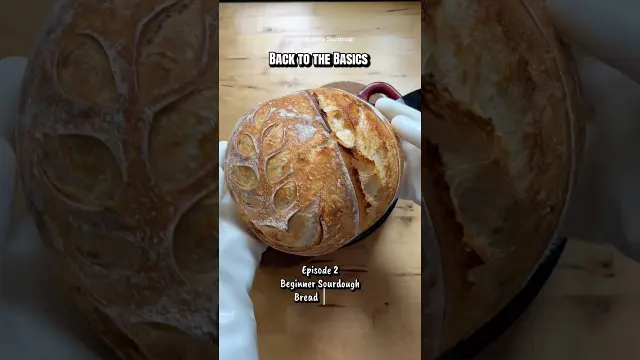
 Easiest Beginner Friendly Sourdough Bread Recipe
#Bread Baking
6 ideas
Easiest Beginner Friendly Sourdough Bread Recipe
 How To Properly Clean And Maintain Banneton Baskets
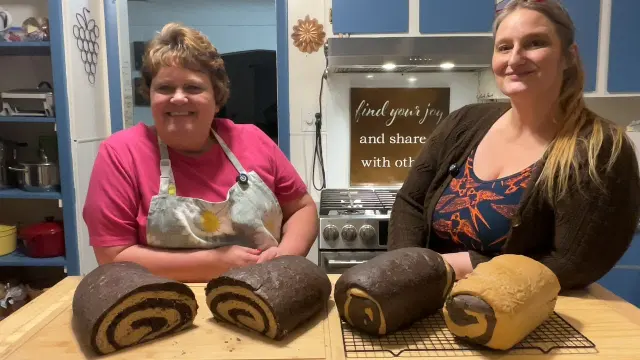 Pumpernickel Rye Swirl Bread Baking Tutorial
 How To Prepare Perfect Bagels At Home
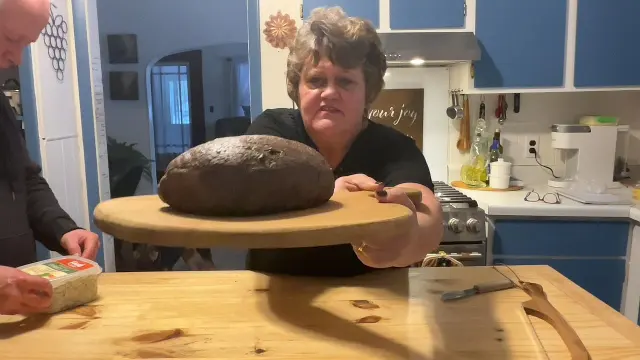 Beginner Pumpernickel Bread Baking Tutorial
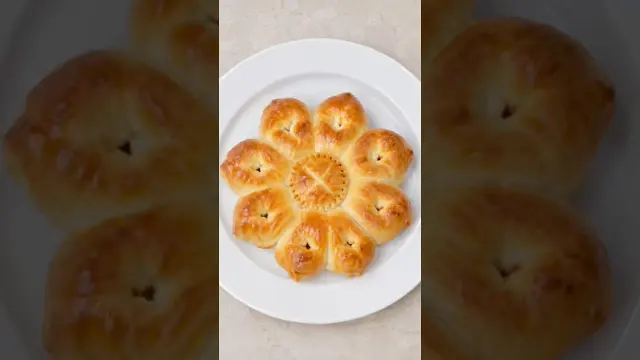 Beautiful Homemade Bread Buns Inspiration
Get new #Bread Baking ideas by email
Every Thursday: the week's best ideas, with the newest from #Bread Baking.
Related tags
Bread Baking Guide for Beginners
What bread baking is
Bread baking is the craft of turning flour, water, yeast or another raising agent, and salt into a loaf with a light, airy crumb and a golden crust. It is one of the oldest forms of cooking, found in many cultures around the world, and it ranges from very simple flatbreads to enriched loaves made with milk, butter, eggs, or sugar. At its heart, bread baking is about understanding dough: how it feels, how it changes as it rests, and how it grows before it goes into the oven.
Common kinds and styles
There are many familiar styles of bread, and each has its own character. Lean doughs use few ingredients and usually give you a crisp crust and chewy texture, while enriched doughs are softer and more tender. Some breads are shaped into loaves, rolls, buns, or braided forms. Others are rustic and free-form. You may also come across sourdough, where natural fermentation gives the bread a distinctive flavor and texture, or quick breads, which rely on chemical leavening rather than yeast.
Read more
Basic techniques to know
Good bread starts with accurate measuring and a simple method. Most doughs are mixed until the ingredients come together, then kneaded to develop structure. Kneading can be done by hand or with a mixer, but the goal is the same: a smooth, elastic dough that can trap air. After mixing, the dough needs time to rise, which is called proving or proofing. During this stage, yeast feeds on the sugars in the dough and creates the bubbles that make bread light.
Shaping is another important step. A well-shaped loaf holds its form and bakes evenly. Before baking, many breads are scored with a sharp cut to help control how they open in the oven. Steam in the oven can also improve crust development, especially for crusty loaves. After baking, bread should cool before slicing so the crumb can finish setting.
Practical tips for beginners
If you are new to bread baking, start with a straightforward recipe and pay attention to the dough rather than only the clock. Flour type, room temperature, and humidity can all affect the result. A dough that is slightly sticky can still be normal, while a very dry dough may bake up dense. If the dough is under-proofed, the loaf may split or feel heavy; if it is over-proofed, it may collapse or taste flat.
A few simple habits make a big difference:
- Use fresh ingredients and measure carefully.
- Give the dough enough time to rise, but do not rush it.
- Handle the dough gently after proving to keep some of the air inside.
- Preheat the oven fully before baking.
- Let the bread cool on a rack before cutting.
With practice, bread baking becomes less about following steps blindly and more about learning to read the dough. Once you understand the basics, you can explore different flours, shapes, and flavors with confidence.
Videos come from YouTube and posts from Instagram; titles and summaries are our own. All rights belong to their creators.