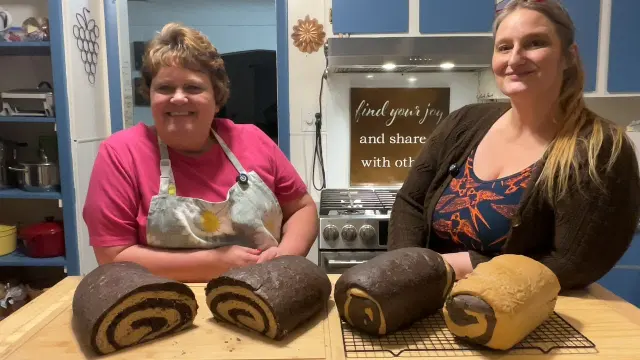
 Pumpernickel Rye Swirl Bread Baking Tutorial
#Rye Bread
2 ideas
Pumpernickel Rye Swirl Bread Baking Tutorial
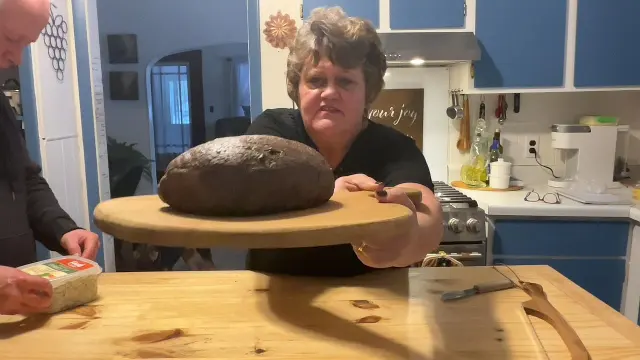 Beginner Pumpernickel Bread Baking Tutorial
Get new #Rye Bread ideas by email
Every Thursday: the week's best ideas, with the newest from #Rye Bread.
Related tags
Rye Bread: A Traditional Loaf with Character
Rye bread is a hearty bread made with rye flour, either alone or blended with wheat flour. It is known for its deeper flavor, denser crumb, and often darker color than many wheat breads. Because rye contains less gluten-forming protein than wheat, it behaves differently in baking and usually gives a moister, more compact loaf.
What rye bread is
Rye has long been used in bread-making in cooler climates, where it has been a reliable grain for everyday baking. It can produce a wide range of breads, from light, softly sliced loaves to dense, robust loaves with a firm bite. The flavor is usually earthy, slightly tangy, and sometimes nutty or mildly sweet, depending on the flour and method used.
Rye bread is often associated with simple, nourishing meals. It can be sliced thinly for sandwiches, served with soups and stews, or topped with butter, cheese, smoked fish, eggs, or pickles. Its sturdy texture also makes it well suited to toasting.
Read more
Common styles and types
There is no single kind of rye bread. Some loaves are made with a small amount of rye for flavor, while others rely heavily on rye flour. In general, the more rye a dough contains, the denser and stickier it tends to be.
- Light rye bread: usually mixed with white wheat flour for a softer crumb and milder taste
- Dark rye bread: made with a higher proportion of rye flour, often with a stronger flavor
- Sour rye bread: uses a sourdough starter or fermentation for a more tangy profile
- Seeded rye bread: includes caraway, sunflower seeds, sesame seeds, or similar additions
- Dense traditional loaves: often baked in a pan for support, especially when the dough has little wheat flour
What beginners should know
Rye dough feels different from wheat dough. It is usually less elastic and more sticky, so it may not be kneaded in the same way. If you are new to rye baking, it can help to start with a blended loaf that includes both rye and wheat flour. That makes the dough easier to shape while still giving you the flavor of rye.
Because rye absorbs water well, many rye breads need a slightly wetter dough than you might expect. A loaf baked in a pan is often easier for beginners than a free-form round. Patience is important too, since rye breads can take time to rise and develop structure.
Practical tips for baking and serving
- Use a loaf pan if the dough is soft or sticky
- Avoid adding too much extra flour, which can make the loaf dry
- Let the bread cool fully before slicing, especially dense loaves
- Slice rye bread thinly for the best texture
- Store it wrapped well so it stays moist
- Toast leftover slices to bring out the flavor
Rye bread rewards a gentle approach. Once you get used to its texture and taste, it becomes a versatile loaf you can enjoy plain, topped, or turned into simple everyday meals.
Videos come from YouTube and posts from Instagram; titles and summaries are our own. All rights belong to their creators.