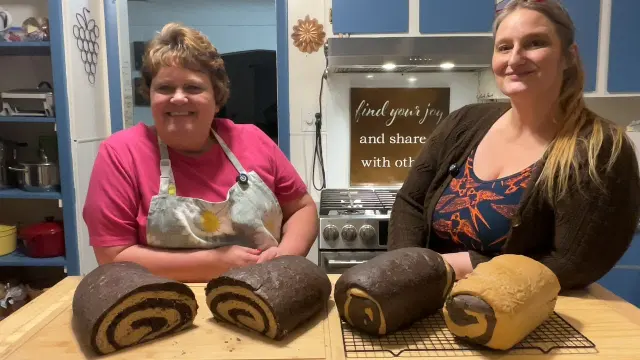
 Pumpernickel Rye Swirl Bread Baking Tutorial
#Pumpernickel Bread
2 ideas
Pumpernickel Rye Swirl Bread Baking Tutorial
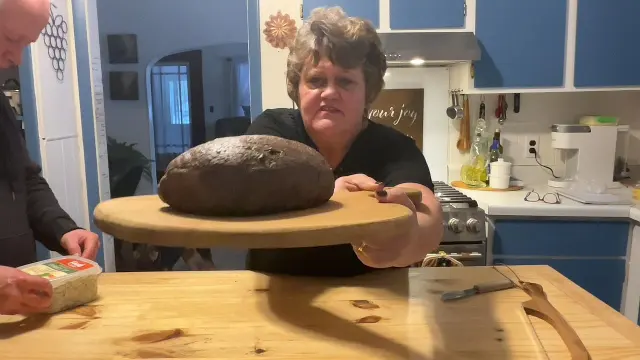 Beginner Pumpernickel Bread Baking Tutorial
Get new #Pumpernickel Bread ideas by email
Every Thursday: the week's best ideas, with the newest from #Pumpernickel Bread.
Related tags
Pumpernickel Bread Guide
What pumpernickel bread is
Pumpernickel bread is a dark rye bread with a deep, earthy flavor and a dense, satisfying crumb. It comes from the rye-bread traditions of Central and Northern Europe, where rye has long been an important grain in cooler climates. The bread is known for its rich color, which can come from the natural darkness of rye flour, long baking, or the use of dark ingredients such as molasses, treacle, or coffee in some versions.
Traditional pumpernickel is often associated with a long, slow bake that gives it its characteristic color and mellow taste. Depending on the recipe, it may be soft and sliceable or dense and hearty, but it is usually less airy than wheat bread because rye behaves differently in baking.
Common styles and uses
Read more
Pumpernickel can take several forms. Some loaves are made with mostly rye flour and have a very moist, compact texture. Others are lighter and include some wheat flour for a softer crumb. You may also find pumpernickel flavored with caraway seeds, cocoa, molasses, or sourdough starter, though not every loaf includes these.
It is often served sliced thin, since the flavor is strong and the bread is rich. It works well with savory toppings, smoked fish, cheeses, eggs, and cold cuts, but it can also be enjoyed simply with butter. In sandwiches, its firm texture helps it hold fillings well.
What makes it different
Rye flour gives pumpernickel its special character. Rye contains less gluten-forming protein than wheat, so the dough behaves differently and usually does not rise as high. That is why pumpernickel tends to be denser and more compact than many other breads.
Acidity is also important in many rye breads. Sourdough fermentation can help improve flavor and structure, and it is especially common in traditional rye baking. Even when a recipe uses commercial yeast, many bakers add a preferment or sour starter to bring more depth to the bread.
Tips for beginners
- Measure carefully, especially when working with rye flour, since dough texture can change quickly.
- Expect a sticky dough. Rye dough is often softer and less elastic than wheat dough.
- Do not add too much extra flour, or the bread may become dry and heavy.
- Let the loaf cool fully before slicing, because rye bread needs time to set.
- If you are new to rye baking, start with a recipe that blends rye and wheat flour for a more familiar texture.
A few practical baking notes
Pumpernickel bread is often baked lower and longer than white bread, which helps create its dark crust and deep flavor. Because rye dough can be dense, a loaf pan is commonly used for support. Patience matters: underbaked rye bread can seem gummy inside, while a properly baked loaf will have a moist but settled crumb.
If you are serving pumpernickel, think in terms of balance. Its flavor is bold, so it pairs best with toppings that are fresh, creamy, salty, or tangy. That contrast is part of what makes the bread so enjoyable.
Why people love it
Pumpernickel bread has a comforting, old-world quality. It feels substantial, wholesome, and full of character. Whether you bake it at home or enjoy it as part of a meal, it offers a distinctive rye flavor that is both simple and memorable.
Videos come from YouTube and posts from Instagram; titles and summaries are our own. All rights belong to their creators.