 Steaming Silky Milk on the Breville Barista Express
#Breville Barista Express
3 ideas
Steaming Silky Milk on the Breville Barista Express
 How to Troubleshoot Espresso Extraction Problems
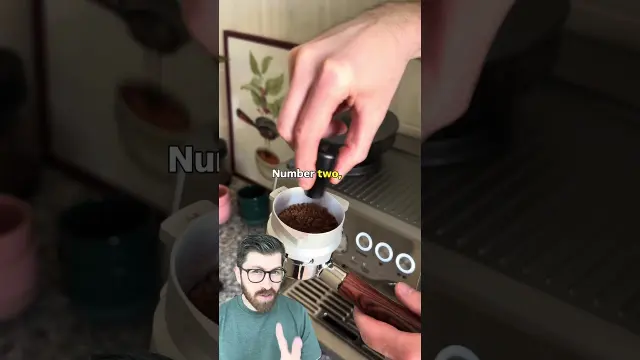 Reducing Spraying and Channelling on the Barista Express
Get new #Breville Barista Express ideas by email
Every Thursday: the week's best ideas, with the newest from #Breville Barista Express.
Related tags
A Beginner's Guide to the Breville Barista Express
The Breville Barista Express is a home espresso machine built around a simple idea: keep the grinder and the brewing group in one place, so the coffee goes from bean to cup with as little handling as possible. It sits in the category of manual machines rather than automatic ones — you grind, dose, tamp, lock in the portafilter and start the pump yourself. What it adds to that routine is a built-in conical burr grinder mounted directly above the group head, which means you can adjust the grind and brew in the same motion instead of moving coffee between appliances.
What makes it a popular first machine
Most machines at this level ask you to buy a grinder separately. Having both together shortens the learning loop: when a shot runs too fast or too slow, the first thing you change is the grind, and here that adjustment is a dial away. The machine heats water through a single thermocoil element, which serves both brewing and steaming, so you pull your shot first and then switch over to the steam wand. Because one element does both jobs, the two can't run at once, and learning that rhythm is part of owning it.
The workflow, step by step
Read more
A stable routine matters more than any single setting. Weigh your beans rather than filling the basket by eye, since a small change in dose changes everything downstream. Grind straight into the portafilter, level the surface, then tamp firmly and evenly — consistency of pressure counts more than force. Lock the portafilter in, place a cup on the scale if you have one, and start the shot.
Dialling in your espresso
Judge a shot by how it tastes and how it flows. If it gushes out pale and thin, the grind is too coarse or the dose too small; if it drips slowly and tastes harsh or bitter, go finer or adjust the dose. Change one variable at a time and keep notes, because the grinder needs a shot or two to settle after each adjustment. Freshly roasted beans behave differently from older ones, so expect to re-dial whenever you open a new bag.
Steaming milk
The steam wand is manual, which is what gives you control — and what takes practice. Submerge the tip just below the surface, open the valve, and listen for a soft, steady hiss as air enters. Once the pitcher feels warm to the touch at the bottom, lower the tip deeper to spin the milk into a smooth vortex. Stop before it gets too hot, wipe the wand immediately and give it a short purge.
Keeping it running well
Empty and rinse the drip tray, knock out the puck after every shot, and backflush as the manual advises. Use filtered water if yours is hard, and descale on the schedule the machine prompts for. A clean basket and a clean shower screen solve a surprising number of extraction problems before you start blaming the grind.
#Breville Barista Express: frequently asked questions
How do I get started with the Breville Barista Express as a complete beginner?
Start with the routine rather than the settings: grind into the portafilter, level the bed, tamp firmly and evenly, lock in and start the shot. Because the grinder sits directly above the group head, grind and brew happen in one motion, so you can change one thing and taste the result straight away. Keep notes from the beginning — a stable routine teaches you more than chasing a perfect setting.
What do I actually need alongside the machine?
A small scale is the most useful addition, since weighing your beans and your shot removes guesswork that no setting can fix. Beyond that you need a milk pitcher, a soft cloth kept by the steam wand, and fresh beans — old beans force you to keep re-dialling. Filtered water is worth using from day one if your tap water is hard.
How is it different from an automatic machine, and who should choose which?
This is a manual machine: you dose, tamp, lock in the portafilter and start the pump yourself, and the steam wand is hand-operated too. Choose it if you want control over grind and extraction and are happy to practice the workflow. If you would rather press a button and walk away, an automatic machine fits that wish better.
What are the most common mistakes people make with it?
Filling the basket by eye instead of weighing the dose, and changing grind and dose at the same time so you can't tell what helped. Another is judging the shot by looks alone — a fast pale gusher means go finer or dose more, a slow harsh drip means the opposite. With milk, the usual error is stopping too late and overheating it.
How should I care for it day to day?
Knock out the puck and rinse the basket after every shot, wipe and briefly purge the steam wand right after steaming, and empty the drip tray before it overflows. Backflush as the manual describes and descale when the machine prompts you. A clean basket and shower screen fix a surprising share of extraction complaints before you blame the grind.
How do I get silky milk rather than stiff foam?
Submerge the tip just below the surface, open the valve and listen for a soft, steady hiss as air enters — that sound means you are aerating gently. Once the pitcher feels warm at the bottom, sink the tip deeper to spin the milk into a smooth vortex. Stop before it gets too hot, then wipe and purge the wand.
Videos come from YouTube and posts from Instagram; titles and summaries are our own. All rights belong to their creators.