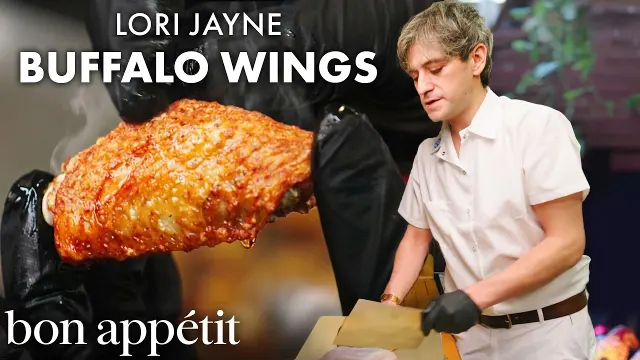
 Building Brooklyn-Style Buffalo Wings From Scratch
#Buffalo Wings
1 ideas
Building Brooklyn-Style Buffalo Wings From Scratch
Get new #Buffalo Wings ideas by email
Every Thursday: the week's best ideas, with the newest from #Buffalo Wings.
Related tags
Buffalo Wings: A Guide to the Classic Chicken Snack
Few dishes have travelled as far from their beginnings as the Buffalo wing. It started in a family-run bar in Buffalo, New York, where chicken wings — cheap, and once mostly destined for stock — were fried and tossed in a sharp, buttery sauce to feed hungry late-night guests. The idea spread, and the platter of wings with celery and blue cheese became a fixture of casual eating.
What a Buffalo wing actually is
A whole chicken wing has three parts. For Buffalo wings the small tip is removed and the rest is split into the drumette, which looks like a miniature drumstick, and the flat. The pieces are cooked without breading, then coated in a sauce of hot pepper sauce and melted butter. That two-part sauce — sharp heat softened by fat — is the heart of the dish. The blue cheese dip and celery sticks are not decoration; they cool the heat and balance the richness.
Kinds and variations
Read more
Traditional wings are deep-fried and served wet with sauce. Baked and grilled versions are common at home and can come out nearly as crisp if the skin is dried well first; some cooks dust the pieces lightly with baking powder or cornstarch to help. Boneless "wings" are formed from chicken breast and are a different thing entirely, though they take the same treatment.
Heat levels run from mild to very hot, and other sauces sit alongside the classic: honey and garlic, barbecue, teriyaki, and dry rubs such as lemon pepper or Cajun spice blends.
What beginners should know
The skin is the whole game. Pat the pieces thoroughly dry and let them rest uncovered in the fridge for a while, because surface moisture steams rather than crisps. Cook them in a single layer with space between the pieces — crowding traps steam and leaves everything pale and soft. If you fry, use a moderate temperature so the outside does not darken before the inside is done, and a second, hotter pass just before serving gives a crunch that lasts.
Sauce at the end, and toss the wings in a bowl rather than pouring sauce over the platter, so each piece is coated without going soggy. Keep finished wings warm in a low oven rather than under a lid, which would trap steam.
Chicken should be cooked through with no pink at the bone, and raw and cooked pieces should never share a board or a knife. Refrigerate leftovers promptly and reheat them in a hot oven rather than a microwave if you want some crispness back.
Serve them hot, with plenty of napkins, and let people help themselves.
#Buffalo Wings: frequently asked questions
What actually makes a Buffalo wing different from any other chicken wing?
The defining element is the sauce: a sharp hot pepper sauce melted together with butter, so the heat arrives softened by fat. The wing itself is cooked without breading, then tossed in that sauce and served with something cool alongside, such as a blue cheese dip and crisp celery. It is the balance of sharp, rich and cooling that makes the dish recognizable.
What do I need on hand to make Buffalo wings for the first time?
You need whole chicken wings that you split yourself or pieces already separated, plus the sauce ingredients, a fat for cooking, and a bowl big enough to toss everything in. A wire rack and a tray are worth having so the pieces can air-dry uncovered in the fridge, and a thermometer helps you judge the oil if you fry. Add a cooling dip and something crunchy to serve alongside, and you have the whole plate.
Should I go for traditional bone-in wings or boneless ones?
Traditional wings are split into the drumette and the flat and cooked on the bone, which keeps them juicy and gives the skin something to crisp against. Boneless wings are formed from chicken breast, so they are a different eat entirely, though they take the same sauce and the same treatment. Choose bone-in if you want the classic texture, and boneless if you want something easier to eat with a fork.
How do I get crisp wings without deep-frying them?
The trick is removing surface moisture before the heat ever reaches the chicken: pat the pieces very dry and let them sit uncovered in the fridge so the skin dries out. A light dusting of baking powder or cornstarch helps roughen the surface, and roasting or grilling them on a rack in a single layer with space between the pieces lets the air circulate. Sauce them at the very end, since dressing them early softens the crust you just built.
What are the mistakes people make most often with wings?
Crowding the pan or the fryer is the big one, because trapped steam leaves the pieces pale and soft instead of crisp. Piling wings on a platter and pouring sauce over the top is another, since the bottom layer turns soggy; tossing them in a bowl coats each piece evenly. Keeping finished wings covered, or reheating them in a microwave, undoes the crunch as well.
How should I handle leftovers, and what do I serve with them?
Cool any leftovers promptly, refrigerate them, and reheat in a hot oven rather than a microwave if you want some of the crispness back. Serve the wings hot and let guests help themselves, with plenty of napkins and a cool dip and crunchy vegetables within reach to balance the heat. Keep raw and cooked chicken on separate boards and knives, and make sure the meat is cooked through before it goes out.
Videos come from YouTube and posts from Instagram; titles and summaries are our own. All rights belong to their creators.