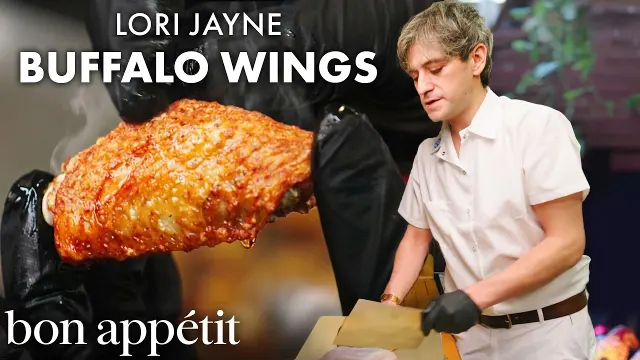
 Building Brooklyn-Style Buffalo Wings From Scratch
#Deep Frying
1 ideas
Building Brooklyn-Style Buffalo Wings From Scratch
Get new #Deep Frying ideas by email
Every Thursday: the week's best ideas, with the newest from #Deep Frying.
Related tags
Deep Frying: A Practical Guide to Crisp Results
Deep frying is a cooking method in which food is fully submerged in hot oil. The oil does two jobs at once: it transfers heat quickly and evenly, and it drives moisture out of the surface of the food. That escaping steam is what keeps the oil from soaking in during the first moments of cooking, and it is also what creates the audible sizzle. Once the surface dries out, browning takes over and the crust turns crisp and deeply coloured. Understanding those two processes explains most of what goes wrong in a home kitchen.
Why it works
Food plunged into properly heated oil sears almost immediately, sealing the surface before much fat can be absorbed. If the oil is too cool, the steam barrier never forms, the coating drinks oil and the result is greasy and pale. If the oil is too hot, the outside darkens and hardens before the inside has cooked. Temperature, in other words, is the whole craft.
The main approaches
Read more
- Naked frying: no coating at all, used for potatoes, doughnuts and some vegetables, where the food's own surface crisps.
- Battered: a loose flour-and-liquid mixture, often leavened or made with a little starch, giving a puffed shell.
- Breaded: flour, then egg, then crumbs, producing a dense, crunchy layer that protects delicate fish or meat.
- Double frying: cooking once at a moderate temperature to cook through, resting, then a second short pass at a higher heat for colour and crunch.
Oil choice matters less than people expect, but it does matter. Use a clean oil with a high smoke point and a neutral flavour, and avoid anything with a low burning point or a strong taste of its own. Reusing oil is normal, though it degrades each time; strain it, keep it cool and dark, and discard it once it darkens, foams or smells stale.
What beginners should know
Buy a thermometer and trust it rather than guessing from a bread cube. Most frying sits somewhere between 160 and 190 degrees Celsius, hotter for thin or pre-cooked items and gentler for dense ones. Pat food dry before it goes in, and dry the outside of anything coated. Fry in small batches so the oil recovers its heat between additions, and let finished pieces drain on a rack rather than a plate so steam can escape underneath.
Safety and care
Never fill a pan more than about a third full, keep a lid nearby, and never add water to hot oil. Wet food causes violent spitting, so dry everything first. Do not leave a pan of hot oil unattended, and keep children and loose sleeves well away. If the oil begins to smoke steadily, it is too hot; turn the heat off and let it settle.
Eaten often, fried food sits heavily in a diet, so treat it as an occasional pleasure and pair it with lighter things. Handled with care, though, it is one of the most dependable techniques in the kitchen: fast, forgiving once mastered, and capable of textures no other method produces.
#Deep Frying: frequently asked questions
How do I get started with deep frying at home?
Start with a heavy, deep pot, enough clean oil to submerge the food, and a thermometer so you are cooking by temperature rather than by guesswork. Pat the food thoroughly dry, lower it in gently, and work in small batches so the oil recovers its heat between additions. Drain finished pieces on a rack so steam can escape from underneath instead of trapping moisture.
What equipment do I really need for deep frying?
A sturdy deep pan, a thermometer, and a slotted spoon or tongs for turning and lifting will carry you through most recipes. A rack for draining and a lid kept nearby for safety round out the basics. You do not need a dedicated fryer to get good results, though a thermometer is not optional if you want consistency.
Which style should I choose: naked, battered, or breaded?
Let the food decide. Naked frying suits potatoes, doughnuts and vegetables that crisp on their own surface, batter gives a light puffed shell to things like fish or vegetables, and breading builds a dense crunchy layer that shields delicate meat. Double frying is worth the extra pass for anything you want deeply coloured and crisp without overcooking the inside.
How do I look after the oil so it lasts?
Choose a clean oil with a high smoke point and a neutral flavour, since a strongly flavoured or quick-burning oil will taste of itself and fade fast. After frying, let the oil cool, strain out the debris, and store it somewhere cool and dark. Discard it once it darkens, foams at the surface, or smells stale.
What are the most common mistakes people make?
The usual culprits are oil that is too cool, wet food going in, and overcrowding the pan, all of which leave you with greasy, pale results instead of a crisp crust. Oil that is too hot is the opposite problem: the outside hardens before the middle cooks through. Draining on a plate rather than a rack traps steam and softens the crust you just worked for.
How do I fry safely and care for the pan?
Never fill the pan more than about a third full, keep a lid within reach, and never add water to hot oil, since wet food causes violent spitting. Do not leave hot oil unattended, and keep children and loose sleeves well away from the stove. If the oil starts smoking steadily it is too hot, so turn off the heat and let it settle before carrying on.
Videos come from YouTube and posts from Instagram; titles and summaries are our own. All rights belong to their creators.