 Viral Melting Cabbage High Protein Low Carb Meal
#Cabbage Recipe
10 ideas
Viral Melting Cabbage High Protein Low Carb Meal
 Spicy Ground Beef and Cabbage Skillet Meal
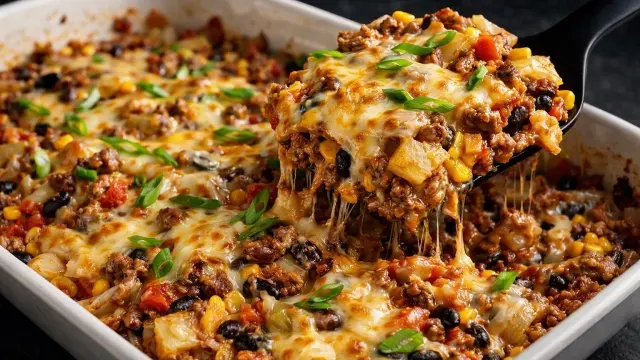 Cheesy Ground Beef and Cabbage Bake Casserole
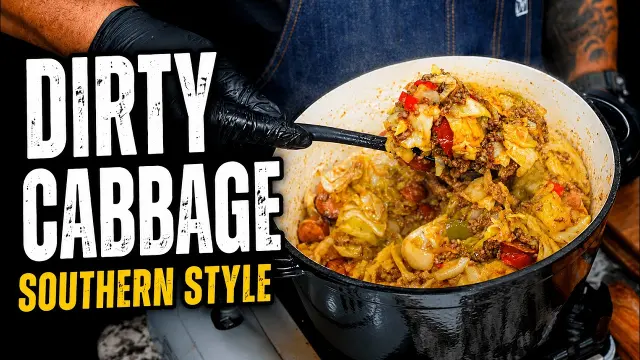 Smoky Cajun Dirty Cabbage With Sausage and Beef
 Cheesy Ground Beef and Cabbage One-Pan Dinner
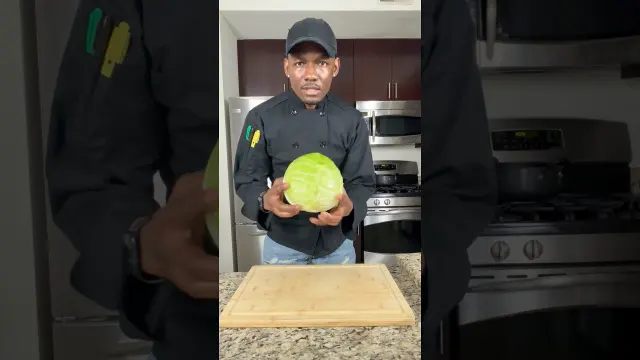 Authentic Jamaican Steamed Cabbage Side Dish
 Keto Melting Cabbage Alfredo Pasta Alternative
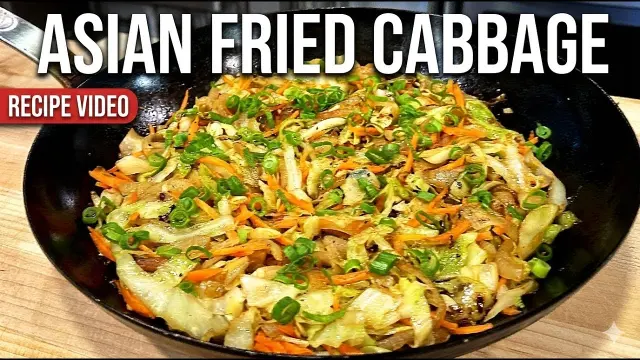 Easy Fried Asian Cabbage Recipe With Onions and Carrots
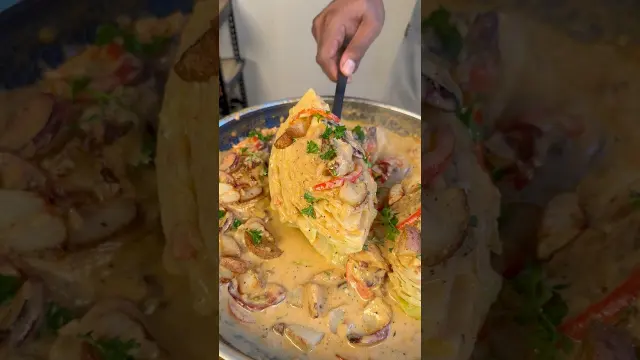 Creamy Cajun Smothered Cabbage With Sausage and Potatoes
 Caramelized Bacon and Cabbage Sweet and Sour Dish
Get new #Cabbage Recipe ideas by email
Every Thursday: the week's best ideas, with the newest from #Cabbage Recipe.
Related tags
Cabbage Recipes and Cooking Ideas
Cabbage in the kitchen
Cabbage is one of the most adaptable vegetables in home cooking. It belongs to the brassica family, along with broccoli, cauliflower, kale, and Brussels sprouts. Grown and eaten in many parts of the world, it has long been valued because it keeps well, is affordable in many places, and can be used raw or cooked in a wide range of dishes.
Its flavor changes a lot depending on how you prepare it. Raw cabbage is crisp and fresh, with a slightly peppery bite. When cooked slowly, it becomes sweet, tender, and mellow. If it is browned well in a pan or roasted in the oven, it can pick up deep, savory notes. That makes cabbage useful in everything from quick weeknight meals to slow-cooked comfort food.
Common ways to use cabbage
Read more
Cabbage can be sliced, shredded, chopped into wedges, or left in larger pieces. Each cut suits a different kind of dish.
- Shredded cabbage works well in slaws, stir-fries, soups, and fillings.
- Wedges are good for roasting, braising, or grilling.
- Chopped cabbage is useful in stews, casseroles, and skillet meals.
- Whole leaves can be softened and used for rolls or wrapping fillings.
You can cook cabbage with onion, garlic, butter, oil, vinegar, tomatoes, broth, spices, or herbs. It also pairs well with potatoes, carrots, beans, sausage, beef, bacon, rice, noodles, and cheese. Because the vegetable absorbs flavor easily, even simple seasoning can make it taste satisfying.
Main styles of cabbage recipes
There are many classic ways to cook cabbage, and each has its own texture and character.
- Sautéed cabbage: quick, lightly browned, and suitable for an easy side dish.
- Braised cabbage: slowly cooked with a little liquid until soft and flavorful.
- Roasted cabbage: caramelized edges and a sweeter taste.
- Boiled or steamed cabbage: gentle cooking for soups, mashes, and traditional dishes.
- Stuffed cabbage: leaves filled with rice, meat, or vegetables, then baked or simmered.
- Fermented cabbage: used in preserved foods with a sharp, tangy flavor.
Tips for cooking cabbage well
A few simple habits help cabbage turn out better.
- Don’t overcook it if you like some texture. Cabbage can become very soft quickly.
- Salt it lightly at first, then adjust near the end, since it can shrink and concentrate in flavor.
- If you want sweetness and depth, let it brown a little in the pan.
- For stronger flavor in soups or stews, add cabbage later so it keeps some shape.
- If the smell of cooked cabbage is a concern, use moderate heat and avoid overcooking.
When you are new to cooking with cabbage, start with a simple recipe: sauté it with oil, onion, salt, and pepper, or roast wedges until the edges are golden. From there, you can move on to more layered dishes like casseroles, dumplings, stuffed leaves, and one-pan meals.
Choosing and storing cabbage
Choose cabbage heads that feel heavy for their size and have crisp, firm leaves. Remove any damaged outer leaves before cooking. Whole cabbage usually keeps well in the refrigerator, and cut cabbage should be covered and used within a shorter time.
Cabbage is a humble ingredient, but it can be deeply comforting and surprisingly versatile. Once you learn how it behaves with heat, seasoning, and moisture, you can use it in many kinds of everyday cooking.
#Cabbage Recipe: frequently asked questions
What is the easiest way to start cooking cabbage at home?
A simple sauté is a great place to begin: cook shredded cabbage with a little oil, onion, salt, and pepper until it softens and picks up some color. If you want a more hands-off method, roast wedges until the edges turn golden and the center becomes tender.
How do I choose the right cabbage for a recipe?
Look for a head that feels heavy for its size and has crisp, firm leaves. Remove any outer leaves that look damaged, and pick the cut or shape that matches your dish, such as shredded cabbage for slaw or wedges for roasting.
What ingredients go well with cabbage in recipes?
Cabbage works with simple staples like onion, garlic, oil, butter, vinegar, broth, salt, pepper, and herbs. It also pairs nicely with potatoes, carrots, beans, rice, noodles, sausage, beef, bacon, and cheese, so it can fit both light and hearty meals.
What are the most common mistakes when cooking cabbage?
One common mistake is overcooking, which can make cabbage too soft and give it a stronger smell. It also helps to season gradually, since cabbage shrinks as it cooks and the flavor can become more concentrated than expected.
What kind of cabbage recipe works well for a family meal or gathering?
Cabbage is a good choice for comforting one-pan dinners, casseroles, and stuffed dishes because it holds flavor well and can feed a crowd. For a lighter side, braised or steamed cabbage works nicely alongside richer mains, while roasted or browned cabbage adds a deeper savory note.
Videos come from YouTube and posts from Instagram; titles and summaries are our own. All rights belong to their creators.