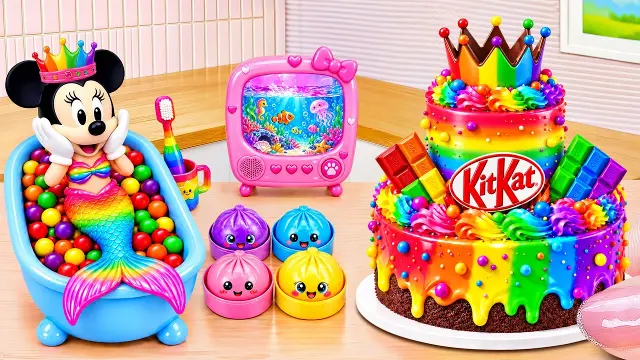
 Mini Rainbow Crown Cake Using KitKat Bars
#Cakes
11 ideas
Mini Rainbow Crown Cake Using KitKat Bars
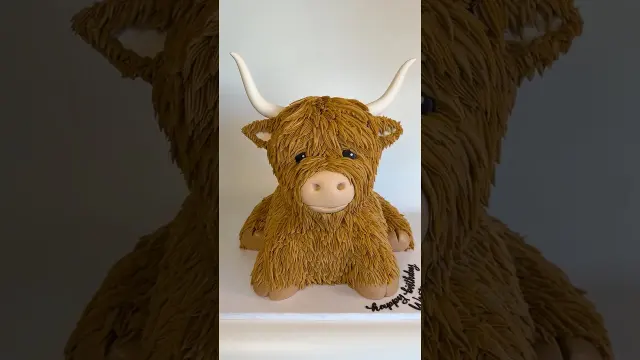 Decorating a 3D Highland Cow Birthday Cake
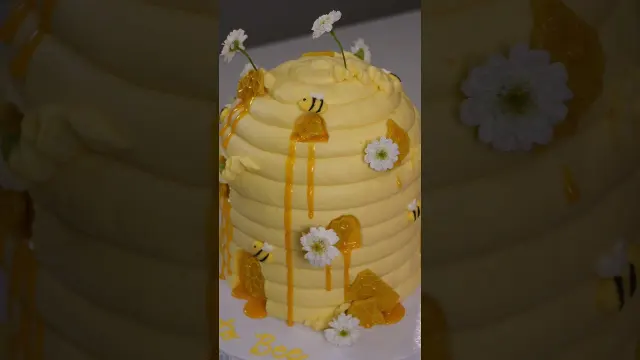 Bee and Honeycomb Themed Cake Inspiration
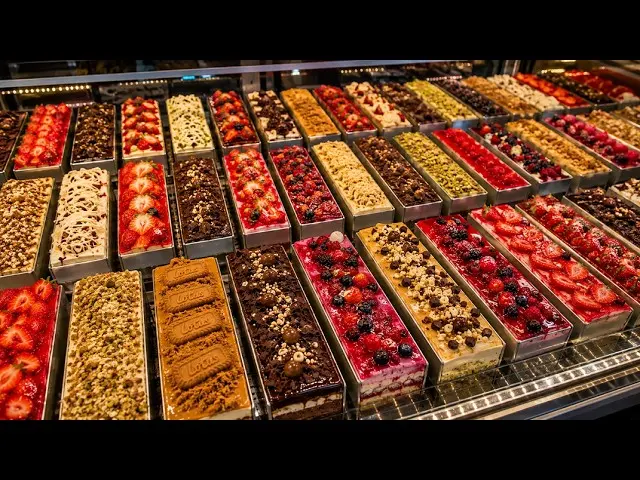 Exploring Popular Cakes at a Turkish Bakery
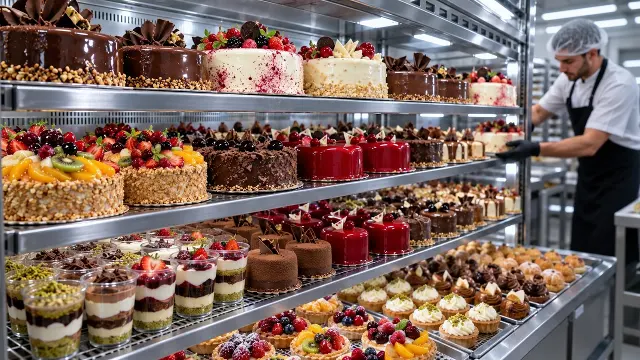 Inside a Busy Turkish Patisserie Kitchen
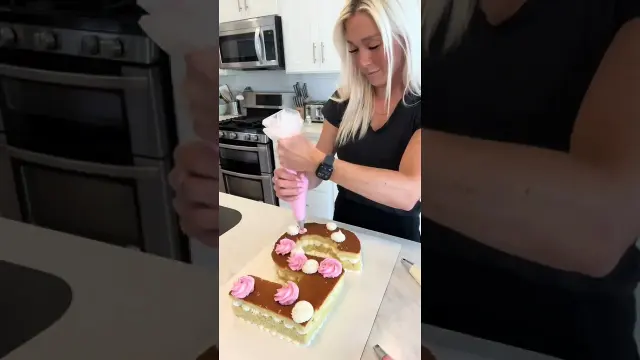 Custom Sheet Cake with Homemade Stencil Design
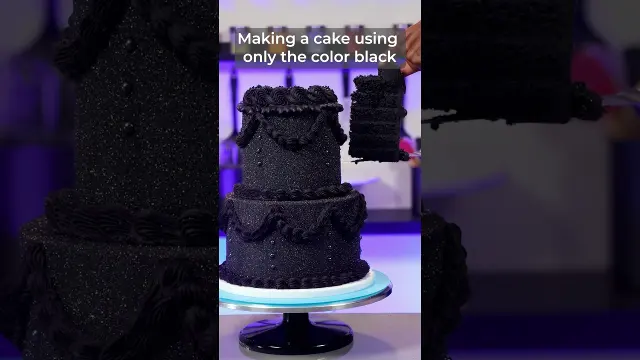 Monochromatic Black Cake Decorating Process
 Building an Extremely Tall Layer Cake
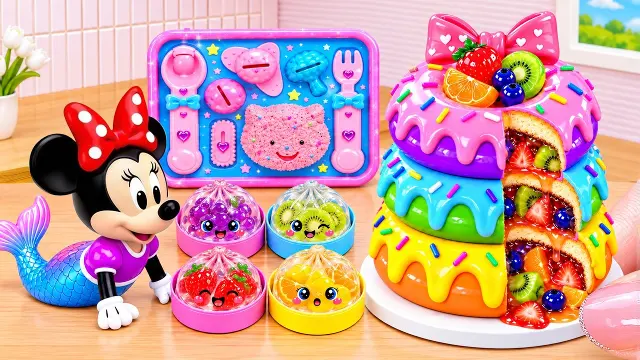 Rainbow Chocolate Glazed Donut Mini Cake
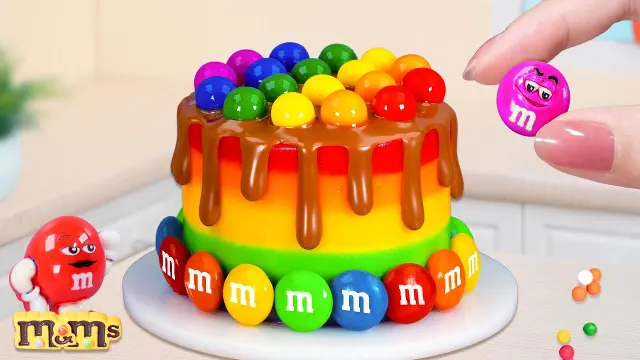 Miniature M&M Chocolate Cake Creation
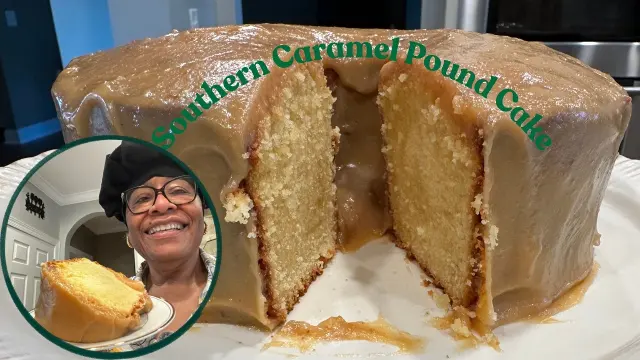 Homemade Southern Caramel Pound Cake Recipe
Get new #Cakes ideas by email
Every Thursday: the week's best ideas, with the newest from #Cakes.
Related tags
Cakes: A Guide to Baking and Decorating
Cakes are one of the most familiar bakes in the world: soft, sweet mixtures made from flour, eggs, fat, sugar, and a liquid, then baked until set. They can be simple or elaborate, casual or celebratory, but the idea is the same: a tender crumb, a pleasant flavour, and a finish that suits the occasion. Cakes have long been part of home baking and festive traditions, which is why they appear in so many styles across different cultures.
What makes a cake a cake
A cake is usually lighter than bread and less structured than pastry. Its texture depends on how the ingredients are mixed and what gives it lift. Some cakes rely on beaten eggs for volume, others on chemical leaveners such as baking powder or baking soda, and some use both. The balance of flour, sugar, fat, and liquid shapes the final result, from soft and delicate to rich and dense.
Common kinds of cakes
Read more
There are many ways to classify cakes, but a few broad types are especially useful:
- Sponge cakes: airy cakes made with whipped eggs, known for a light crumb
- Butter cakes: classic cakes where butter is creamed with sugar for a tender, even texture
- Oil cakes: moist cakes that often stay soft for longer
- Chiffon-style cakes: light cakes made with oil and whipped egg whites
- Fruit cakes: dense cakes enriched with dried or candied fruit
- Layer cakes: cakes baked in separate layers and filled or frosted
- Sheet cakes and loaf cakes: simpler shapes that are easy to serve
Basic techniques to know
If you are new to cake baking, it helps to understand a few core methods. Creaming butter and sugar traps air and gives a cake a lighter texture. Folding whipped egg whites into batter keeps a sponge airy. Mixing dry and wet ingredients gently helps avoid a tough crumb. It also matters not to overmix once the flour is added, because too much mixing can develop the gluten and make the cake less tender.
Oven temperature and pan preparation are just as important. A properly preheated oven helps the cake rise evenly, while greasing and lining pans can make removal easier. Letting the cake cool before frosting or slicing helps protect its structure.
Simple tips for better results
- Measure ingredients carefully, especially flour and leavening
- Use ingredients at the temperature stated in the recipe when possible
- Avoid opening the oven too early, as this can affect rising
- Check for doneness with a skewer or by gently pressing the centre
- Cool cakes fully before decorating
Finishing and decorating
Cakes can be finished in many ways: with a simple dusting of sugar, a glaze, buttercream, whipped cream, fruit, nuts, or a smooth layer of icing. Decorations can be elegant or plain, depending on the purpose of the cake. The best finish is one that supports the flavour and keeps the cake easy to serve.
With a little practice, cake baking becomes less mysterious. Once you understand the main styles and the role each ingredient plays, you can make everything from a humble tea-time loaf to a more formal celebration cake with confidence.
Videos come from YouTube and posts from Instagram; titles and summaries are our own. All rights belong to their creators.