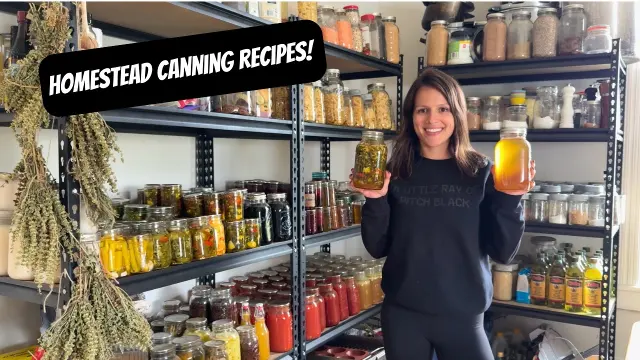
 Canning the Last of the Garden Harvest for Winter
#Canning
1 ideas
Canning the Last of the Garden Harvest for Winter
Get new #Canning ideas by email
Every Thursday: the week's best ideas, with the newest from #Canning.
Related tags
Canning Basics and Food Preservation Guide
What canning is
Canning is a traditional way of preserving food in sealed jars so it can be stored for a long time without refrigeration. The basic idea is simple: food is prepared, packed into jars, heated, and sealed so that spoilage is slowed or prevented. People use canning to save seasonal produce, make pantry staples, and reduce waste when fruit, vegetables, jams, pickles, or sauces are abundant.
The practice developed as a practical home preservation method before modern refrigeration became common, and it remains useful today for anyone who likes to stock a shelf with homemade food. It can also be a satisfying kitchen skill, especially if you enjoy working with harvest ingredients and simple, careful routines.
Main types of canning
Read more
There are two main methods of canning:
- Water bath canning, which is used for foods that are naturally acidic or have added acid, such as many fruits, jams, jellies, pickles, and chutneys.
- Pressure canning, which is used for low-acid foods such as plain vegetables, meats, soups, and some mixed dishes.
These methods are not interchangeable. The right method depends on the acidity of the food, because that affects how safely it can be stored. If you are new to canning, start with foods that are suited to the simpler method and follow trusted instructions carefully.
What you need to begin
Canning usually requires a few basic items:
- Clean glass jars made for preserving food
- Lids and rings or bands, depending on the jar style
- A large pot or canner, or a pressure canner for low-acid foods
- Jar lifter, funnel, and clean cloths
- A rack or insert to keep jars off the bottom of the pot
Good preparation matters. Jars should be clean, food should be fresh and handled carefully, and work surfaces should be tidy. Using jars of the right size and condition helps everything seal properly.
Beginner tips
If you are just getting started, choose simple recipes and follow them closely. Canning is a method where precision matters more than improvisation. Small changes in acidity, thickness, or processing time can affect results.
A few helpful habits:
- Use tested recipes from reliable sources.
- Check jars for chips or cracks before filling them.
- Leave the correct headspace in each jar.
- Remove air bubbles when directed.
- Wipe jar rims before adding lids.
- Let jars cool undisturbed after processing.
It also helps to label each jar with the contents and date. That makes it easier to rotate your pantry and use older jars first.
Safety and storage
Safe canning depends on proper method, timing, and seal formation. If a jar does not seal, has a damaged lid, or shows signs of spoilage later, it should not be kept for long-term storage. Store sealed jars in a cool, dark, dry place, away from direct heat and sunlight.
Before using a jar, look for signs that the seal is still intact. If anything smells unusual, looks cloudy in a way that is not expected for the recipe, or the lid has lifted, it is best to be cautious and discard it.
Why people keep canning
Canning is both practical and comforting. It lets you preserve the flavor of fruit, vegetables, and homemade favorites in a form that can be enjoyed later. For many people, it is also part of a slower kitchen rhythm: washing, peeling, simmering, filling jars, and stacking them neatly for the months ahead. With care and patience, canning can become a useful skill and a rewarding part of home cooking.
#Canning: frequently asked questions
What exactly is canning, and why do people still do it?
Canning is a home preservation method where prepared food is packed into jars, heated, and sealed so it keeps for a long time without refrigeration. People use it to make the most of seasonal fruit, vegetables, and garden harvests, to stock a pantry with homemade jams, pickles, and sauces, and to cut down on waste when produce is plentiful. Beyond the practicality, many cooks enjoy it as a slow, satisfying kitchen routine.
How do I know whether to use a water bath or a pressure canner?
The choice depends on how acidic the food is rather than on personal preference: naturally acidic or acid-added foods such as fruits, jams, jellies, pickles, and chutneys are suited to water bath canning, while low-acid foods like plain vegetables, meats, and soups need pressure canning. The methods are not interchangeable, so pick the one your recipe calls for. If you are just starting out, begin with acidic foods and the simpler water bath method while you build confidence.
What equipment do I actually need to get started?
At minimum you need clean glass preserving jars with their lids and bands, a large pot or canner suited to your method, and a rack to keep jars off the bottom. A jar lifter, a funnel, and clean cloths make the work far easier and safer, and a pressure canner is essential if you plan to preserve low-acid foods. Beyond gear, the real requirements are fresh ingredients, tidy surfaces, and a recipe you trust.
What are the most common beginner mistakes?
The usual ones are improvising instead of following a tested recipe, overfilling jars or leaving the wrong headspace, forgetting to release trapped air bubbles, and dirtying the rim so the lid cannot seal. Jars with chips or cracks are another frequent problem, and handling hot jars roughly or moving them while they cool can spoil an otherwise good batch. Following instructions closely matters more here than creativity.
How should I store filled jars, and how do I know a seal is still good?
Let jars cool undisturbed, then keep them in a cool, dark, dry place away from direct heat and sunlight, labeled so you can use the oldest first. Before opening a jar, check that the lid is still firmly down; after opening, discard anything that smells off, looks unexpectedly cloudy, or shows a lid that has lifted. A jar that failed to seal or has a damaged lid should not go into long-term storage.
Any ideas for a first canning project?
Starting with the end of a garden harvest is a natural choice: tomatoes, berries, stone fruit, and cucumbers all lend themselves to jams, sauces, and pickles, which are forgiving for newcomers. Choose one simple recipe, make a small batch, and get comfortable with the sequence of filling, sealing, and processing before adding more variety. Once the rhythm feels familiar, you can branch out into chutneys and other favorites.
Videos come from YouTube and posts from Instagram; titles and summaries are our own. All rights belong to their creators.