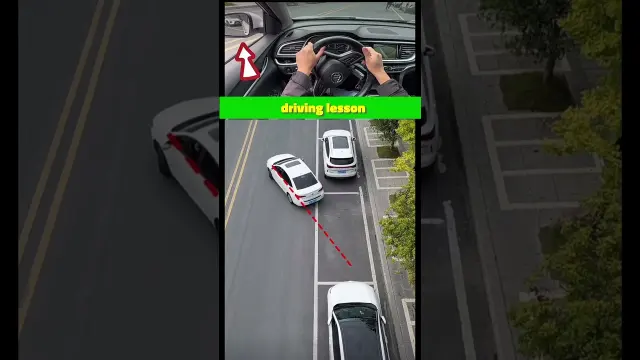
 How to Drive a Car for Beginners, With Parking Basics
#Car Parking
1 ideas
How to Drive a Car for Beginners, With Parking Basics
Get new #Car Parking ideas by email
Every Thursday: the week's best ideas, with the newest from #Car Parking.
Related tags
Car Parking: A Calm Guide for New Drivers
Parking is the part of driving that asks for the least speed and the most patience. Moving traffic forgives a hesitant driver; a tight space does not. Most of what makes parking difficult is not the car but the pressure to do it quickly while someone waits behind you. Once you accept that a slow, deliberate approach is the correct one, the manoeuvre itself becomes far less intimidating.
The main kinds of parking
Most parking situations fall into a few familiar shapes.
- Parallel parking, along a kerb between two cars, is the one drivers dread most. It asks you to reverse into a space while judging distance on both sides, and it is learned almost entirely through repetition.
- Bay parking, in a marked rectangular space, can be done nose-in or in reverse. Reversing into a bay feels harder at first but usually makes leaving easier and safer, because you drive out forwards with a clear view.
- Angled parking, common in busy car parks, follows the direction of the painted lines. Drive in following the angle rather than turning sharply into it.
- Parking on a slope is mostly about securing the car: set the handbrake firmly, leave it in gear or in park, and turn the front wheels so that if it did roll, it would be stopped by the kerb rather than rolling into the road.
Read more
What beginners should know
The single most useful habit is to go slower than feels necessary. At walking pace you have time to notice what the mirrors show and to correct a mistake before it becomes a problem. Steering while stationary is hard on the tyres; a slow creep with small adjustments is easier on the car and on your nerves.
Use the car's mirrors and its reference points — the places where the bodywork, the kerb and the lines appear in the mirror at a given moment — and keep them consistent by practising in the same car. Every vehicle is a different shape, so what works in one will not transfer directly to another.
Sensors and cameras are helpful assistants, not replacements for looking. They can miss a child, a cyclist, a bollard or a low wall, so turn your head and check your blind spots before reversing, and get out to look if you are unsure. There is no shame in stepping out to check a gap.
Practising well
An empty car park or a quiet side street is the best classroom. Place a few markers, such as cones or soft objects, to stand in for other cars, and repeat the same manoeuvre until the sequence feels automatic rather than calculated. Practise when you are not rushed, and stop when you are tired — frustration teaches bad habits faster than repetition teaches good ones.
Finally, accept that you will occasionally get it wrong and have to start again. Pulling out and re-approaching is a normal part of parking, not a failure.
#Car Parking: frequently asked questions
How should a complete beginner start learning to park?
Start somewhere empty and calm, like a quiet side street or an unused car park, and put down soft markers to stand in for other cars. Repeat one manoeuvre until the sequence feels automatic instead of something you have to calculate step by step. Practise when you have time to spare, and stop once you are tired, because frustration tends to bake in bad habits.
What do I actually need to get right before attempting a space?
You need a slow, walking-pace approach and a consistent view in the mirrors, not speed or nerve. Learn the reference points on your own car, the spots where the kerb and painted lines sit in the mirror at a given moment, and keep practising in the same vehicle so those points stay reliable. Every car is a different shape, so what works in one will not carry straight over to another.
Which kind of parking is easiest to choose between?
It depends on the space you are given: parallel parking along a kerb, a marked bay, an angled space, or a slope. Reversing into a bay feels harder at first but usually makes leaving simpler and safer, since you drive out forwards with a clear view. In angled parking, follow the direction of the painted lines instead of swinging sharply into them.
How do I park safely on a hill?
The priority on a slope is making sure the car cannot move once you leave it. Set the handbrake firmly, leave it in gear or in park, and turn the front wheels so that any roll would be caught by the kerb rather than sending the car into the road.
Can I rely on parking sensors and the reversing camera?
Treat them as helpful assistants rather than substitutes for looking. They can miss a child, a cyclist, a bollard or a low wall, so turn your head, check your blind spots, and step out to look whenever a gap is unclear. Getting out to check is good judgement, not a failure.
What are the most common parking mistakes?
Rushing because someone is waiting behind you is the big one, and it is what makes a straightforward manoeuvre feel intimidating. Turning the wheel while the car is standing still is hard on the tyres, and it is easier on both the car and your nerves to creep slowly and adjust in small amounts. Expect to get it wrong sometimes and pull out to start again, which is a normal part of parking.
Videos come from YouTube and posts from Instagram; titles and summaries are our own. All rights belong to their creators.