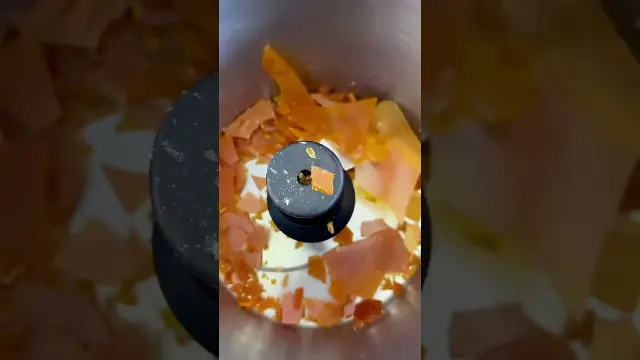
 Creating Glass-Thin Caramel Tuiles for Plated Desserts
#Caramel Tuile
6 ideas
Creating Glass-Thin Caramel Tuiles for Plated Desserts
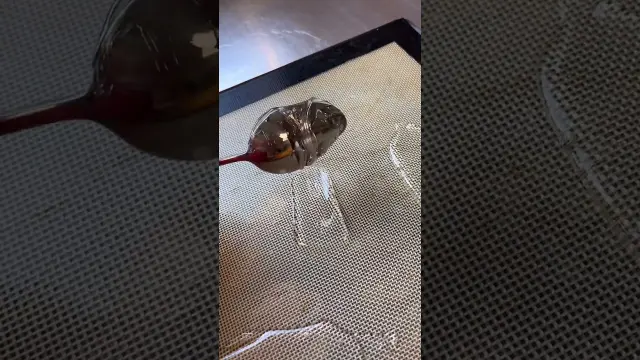 Ultra Thin and Glossy Homemade Caramel Tuile Recipe
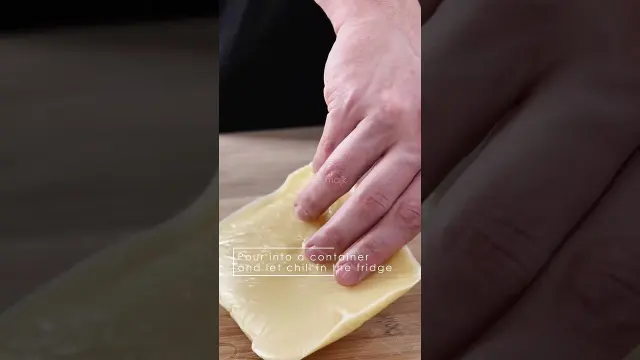 Crispy Caramel Chips and Tuile Decoration Tutorial
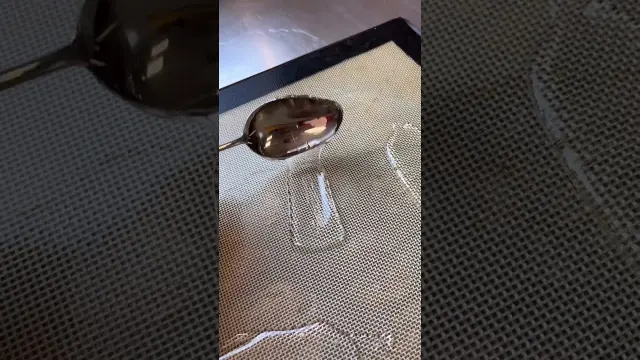 Delicate and Glossy Caramel Tuile Baking Guide
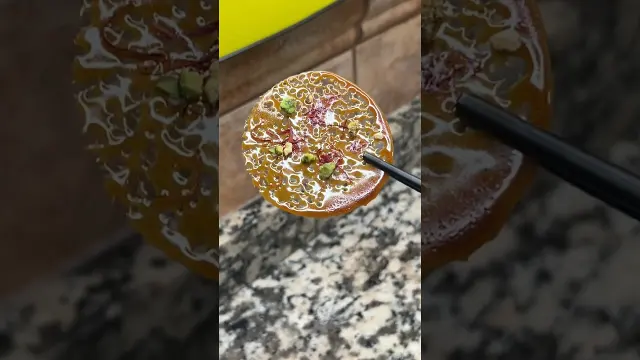 Crispy Caramel Saffron and Pistachio Tuile Recipe
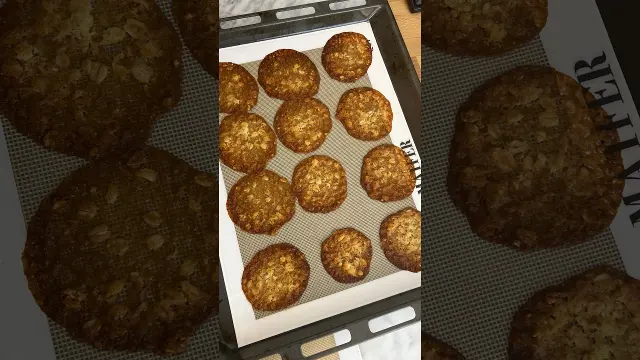 Traditional Swedish Caramel Tuiles Recipe and Baking
Get new #Caramel Tuile ideas by email
Every Thursday: the week's best ideas, with the newest from #Caramel Tuile.
Related tags
Caramel Tuile: Thin, Crisp Dessert Garnishes
What a caramel tuile is
A caramel tuile is a very thin, crisp confection made from melted sugar, often with a little butter, flour, or sometimes just sugar alone depending on the style. The word tuile means “tile” in French, which describes the curved, delicate shape these wafers often take as they cool. In dessert making, caramel tuiles are used as a garnish, a textural contrast, or a decorative element that brings shine and elegance to a plate.
Tuiles are part of French-style pastry tradition, where light, precise details matter as much as flavor. Caramel adds a deep amber color and a bittersweet, toasted sweetness that works especially well with creamy, fruity, or chocolate desserts.
Where they are used
Read more
Caramel tuiles are usually served with plated desserts rather than eaten on their own. They can top mousses, ice creams, panna cotta, custards, tarts, or fruit-based desserts. Their main role is to add crunch and visual height without making the dessert heavy.
Because they are so thin, they should be added close to serving time. Humidity softens them quickly, so they are best used when you want a crisp accent that feels fresh and delicate.
Common styles and shapes
There are many ways to shape a tuile, and the finished look can change the whole character of a dessert.
- Flat rounds or ovals for a simple, elegant look
- Curved tuile shapes draped over a rolling pin or bottle while warm
- Lace-like styles made with batter that spreads into delicate patterns
- Shards or broken pieces for a more rustic, modern finish
Caramel tuiles can be plain or flavored with nuts, citrus zest, spices, or sesame, depending on the dessert they accompany. The caramel itself may be light amber for a milder taste or darker for a deeper, more intense flavor, though very dark caramel can become bitter if overheated.
What you should know as a beginner
Working with caramel takes patience and attention. Sugar changes quickly as it heats, so keep your focus on the pan and avoid stirring at the wrong moment, which can cause crystals to form. A clean pan and careful handling help a lot.
A few practical tips:
- Measure and prepare everything before you start
- Keep moisture away from the sugar as much as possible
- Work with hot caramel carefully, since it can cause serious burns
- Shape the tuiles while they are still warm and flexible
- Store them in a dry place and use them soon after making them
If a tuile becomes sticky or soft, the air is usually too humid or it has been left out too long. For the best texture, make the garnish as close as possible to serving.
How to use them well
A good caramel tuile should support the dessert, not overwhelm it. Pair it with soft textures, mild creams, tart fruits, or silky chocolate desserts so the contrast feels balanced. You can place a tuile upright for height, lay it across a scoop or cream, or use broken pieces for a lighter decorative touch.
When made well, a caramel tuile adds more than decoration. It gives a dessert a crisp bite, a warm caramel note, and a refined finish that feels both simple and special.
Videos come from YouTube and posts from Instagram; titles and summaries are our own. All rights belong to their creators.