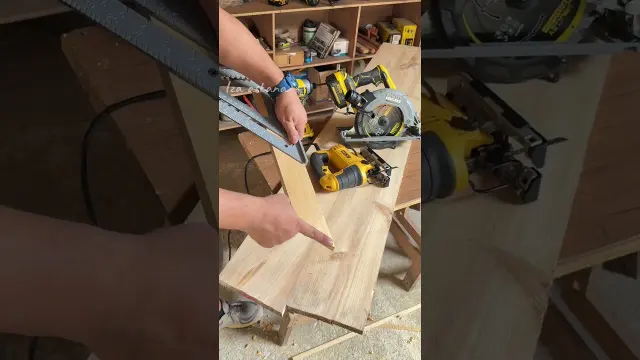
 Making A Simple But Multifunctional Jig For Saws
#Carpentry
2 ideas
Making A Simple But Multifunctional Jig For Saws
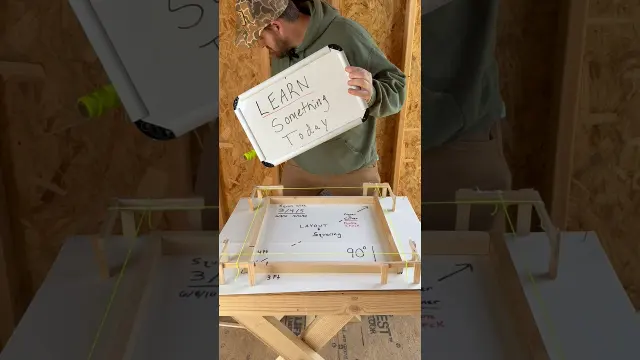 First Steps of Carpentry Layout and Squaring
Get new #Carpentry ideas by email
Every Thursday: the week's best ideas, with the newest from #Carpentry.
Related tags
Carpentry Basics and Woodworking Skills
What carpentry is
Carpentry is the craft of shaping, joining, and building with wood. It can range from simple home repairs and shelving to larger structural work, furniture making, and decorative finishing. At its heart, carpentry is about turning measurements and materials into something useful, sturdy, and well made.
Wood has been used in building for centuries because it is strong, versatile, and relatively easy to work with. In carpentry, you may cut boards to size, plane edges smooth, join pieces together, or fit parts into a frame. Good carpentry depends on patience, accuracy, and a careful eye for detail.
Main kinds of carpentry
Read more
There are many ways to work with wood, but a few broad kinds are especially common:
- Framing carpentry: building the skeleton of houses and other structures
- Finish carpentry: adding visible details such as trim, skirting boards, doors, and moldings
- Cabinetmaking and furniture work: making boxes, shelves, cabinets, tables, and other built pieces
- Repair and restoration: fixing damaged woodwork, replacing parts, or matching existing pieces
- Joinery: focusing on precise connections between pieces of wood
Each kind uses the same basic skills, but the level of precision and the final appearance can differ a lot.
Basic tools and materials
A beginner does not need a huge workshop to get started. The most important tools are usually the ones that help you measure, mark, cut, and fasten accurately.
- Measuring tools: tape measure, ruler, square, marking pencil
- Cutting tools: hand saws or power saws, depending on the task
- Shaping tools: plane, chisel, sandpaper
- Fastening tools: hammer, screws, nails, clamps
- Safety gear: eye protection, hearing protection, and dust protection when needed
When choosing wood, pay attention to its purpose. Softwoods are often easier to cut and shape, while hardwoods are usually denser and may be better for furniture or wear-prone surfaces. Straight, dry boards are generally easier to work with than twisted or warped ones.
Skills that matter most
If you are beginning carpentry, focus first on the basics:
- Measure carefully and mark clearly before cutting
- Check for square corners and straight lines
- Cut a little outside the line at first, then refine the fit
- Dry-fit pieces before fastening them together
- Sand edges smooth to avoid splinters and improve the finish
Accuracy is more important than speed. Small measuring mistakes can affect the whole project, so it is worth checking your work more than once.
Helpful habits for beginners
Take your time and practice on simple projects before moving on to more complex ones. Start with straight cuts, simple frames, or small shelves. Learn how different woods behave, because grain direction, knots, and thickness can affect the result.
It also helps to keep your workspace tidy. A clear bench, sharp tools, and a secure work surface make carpentry easier and safer. When working with tools, always follow basic safety precautions and use the right tool for the job.
Carpentry is rewarding because it combines practical skill with creativity. With practice, you learn not only how to build things, but how to make them fit well, last well, and look good too.
#Carpentry: frequently asked questions
How do I get started in carpentry as a complete beginner?
Begin with small, manageable projects such as a simple shelf or a basic frame, because these rehearse the core habits of measuring, marking, and cutting straight. Practise on scrap wood before committing good material, and treat each finished piece as a lesson in what to refine next. Move on to more complex work only once the basics start to feel natural.
What tools and materials do I really need at the start?
A modest kit is enough: something to measure and mark with, a saw, a plane or chisel for shaping, a way to fasten pieces together, and eye and ear protection. Choose wood by purpose rather than appearance, since softer woods are easier to shape while denser ones hold up better where wear happens. Straight, dry boards will save you more trouble than any extra tool will.
Which kind of carpentry should I learn first?
Framing, finish work, cabinetmaking, restoration, and joinery all rest on the same foundation, so start with whichever finished result you actually want to make. Finish and furniture work demand more precision and reward patience, while framing and repair tolerate a little more roughness. Many people begin with small built pieces and let their interest point them onward.
What mistakes do beginners most often make?
The classic ones are cutting before the layout is settled and rushing the fit, since a small marking error carries through the whole project. Another is fastening pieces without dry-fitting them first, which hides a poor joint until it is awkward to correct. Working on a cluttered or unsteady bench, and skipping the final sanding, makes sound work look and feel worse than it is.
How should I look after wooden pieces so they last?
Keep wood away from standing moisture and from sharp swings in humidity, both of which cause swelling, warping, and splitting. Clean gently rather than with harsh abrasives, and refresh a protective finish once the surface begins to look dry or worn. Storing pieces flat and out of direct sun also helps them stay true.
What are some good first projects or gifts to build?
Small shelves, simple frames, a basic box, or a jig for holding work are all good starting points, because they teach layout and squaring without using much material. A little stool or a board for the kitchen makes a satisfying gift that shows your progress. Keep the design plain and let the quality of the fit be the impressive part.
Videos come from YouTube and posts from Instagram; titles and summaries are our own. All rights belong to their creators.