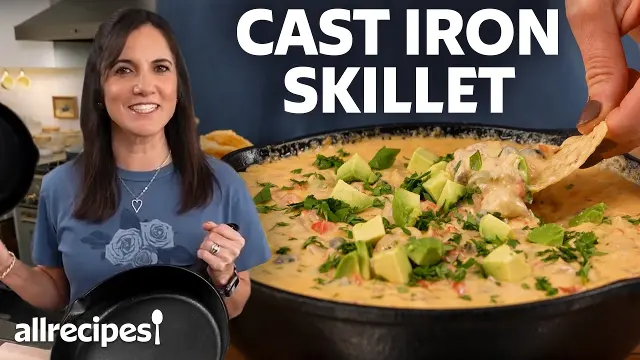
 Seven Easy Cast Iron Skillet Recipes, From Breakfast to Dessert
#Cast Iron Cooking
2 ideas
Seven Easy Cast Iron Skillet Recipes, From Breakfast to Dessert
Get new #Cast Iron Cooking ideas by email
Every Thursday: the week's best ideas, with the newest from #Cast Iron Cooking.
Related tags
Cast Iron Cooking: A Beginner's Guide to the Skillet
Cast iron cooking is one of the oldest and most enduring ways to prepare food. A cast iron pan is made by pouring molten iron into a mould, which gives it a thick, heavy body that holds heat far longer than thinner cookware. That quality is the whole point: once the pan is hot, it stays hot, so food sears rather than steams, and the temperature barely dips when you add something cold. Long before modern kitchens, cooks relied on cast iron for everything from bread to stew, and the same pan was often handed down through families because it simply does not wear out.
Why cooks love it
A well-used cast iron pan is remarkably versatile. It moves from the stovetop to the oven to an open fire without complaint, which means you can sear meat and then finish it in the oven, bake cornbread, roast vegetables, or cook a whole breakfast in one piece of equipment. It is also naturally non-stick once it has built up a good seasoning, and because iron leaches slightly into food, it can contribute a small amount of that mineral to what you cook.
The seasoning, explained
Read more
Seasoning is the layer that gives cast iron its black sheen and its slick surface. It is simply oil that has been heated until it bonds with the iron and forms a hard, smooth film. New pans often come pre-seasoned, but the coating improves with use. To maintain it, cook with a little fat, avoid leaving the pan soaking in water, and dry it thoroughly on the stove after washing. A light wipe of oil while it is still warm keeps the surface protected.
If the seasoning looks dull or patchy, it is easy to restore: scrub the pan clean, dry it completely, rub a thin film of neutral oil over the whole surface, and heat it until it just begins to smoke. Repeat a few times and the finish returns.
Getting started
Beginners often worry about two things: sticking and damage. Both are manageable.
- Preheat the pan gradually over medium heat rather than blasting it on high, which helps the coating and keeps heating even.
- Add fat once the pan is warm, not before.
- Let food sit undisturbed until it releases on its own; forcing it too early is what causes tearing.
- Avoid sudden temperature changes, such as plunging a hot pan into cold water, which can crack it.
- Use wooden, silicone or metal utensils as you prefer, but skip harsh abrasives when cleaning.
Everyday uses
Cast iron suits almost anything: eggs and bacon, steaks and chops, pancakes, flatbreads, roasted roots, cornbread, even fruit crumbles. It is less suited to long simmers of acidic sauces like tomato or wine, which can strip seasoning over time, and to delicate fish that benefit from a lighter pan.
Once you get comfortable with the weight and the slower rhythm of heating, cast iron stops feeling fussy and starts feeling reliable. Treat it reasonably, cook in it often, and it will quietly outlast almost everything else in your kitchen.
#Cast Iron Cooking: frequently asked questions
How do I get started with cast iron cooking?
Start with a single skillet and give it time to heat gradually over medium heat rather than blasting it on high, since an even, unhurried warm-up protects the coating and the food. Add your fat once the pan is warm, then let the food sit undisturbed until it releases on its own, because forcing it early is what tears it. Once you're used to the weight and the slower rhythm, it stops feeling fussy.
Why does my food stick to the pan?
Sticking usually comes from a cold pan, too little fat, or turning the food before it's ready. Preheat properly, add a little oil or butter to a warm surface, and resist the urge to move things around. A pan with a well-built seasoning will also release food far more readily than a new or patchy one.
What is seasoning, and does a new pan need it?
Seasoning is simply oil heated until it bonds with the iron and forms a hard, smooth black film, which is what makes the surface slick. Many new pans arrive pre-seasoned, so you can cook straight away, but the coating only improves the more you use it. To keep it healthy, cook with a little fat, never leave the pan soaking, and dry it on the stove before wiping on a thin film of oil.
Can I restore a pan whose seasoning looks dull or patchy?
Yes, and it takes very little effort. Scrub the pan clean, dry it completely, rub a thin film of neutral oil over the whole surface, and heat it until it just begins to smoke, then repeat until the finish comes back. The pan itself is almost impossible to wear out, so a tired surface is only ever a temporary state.
Are there foods I should avoid cooking in cast iron?
Long simmers of acidic sauces, such as tomato or wine, can strip the seasoning over time, so those are better suited to another pot. Delicate fish also tends to fare better in a lighter pan. Everything else, from eggs and bacon to steaks, flatbreads, roasted roots and cornbread, is fair game.
How should I clean and store a cast iron pan?
Wash it, skip harsh abrasives, and dry it thoroughly on the stove rather than leaving it to air-dry or soak. While it's still warm, wipe on a light layer of oil to protect the surface. Avoid sudden temperature changes, like plunging a hot pan into cold water, which can crack it.
Videos come from YouTube and posts from Instagram; titles and summaries are our own. All rights belong to their creators.