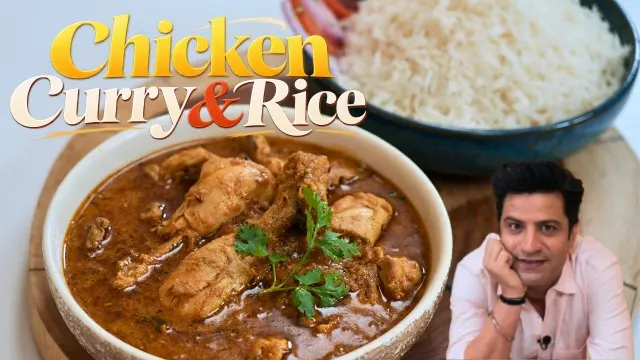
 Chef Kunal Kapur's Sunday Chicken Curry Recipe
#Chicken Curry
9 ideas
Chef Kunal Kapur's Sunday Chicken Curry Recipe
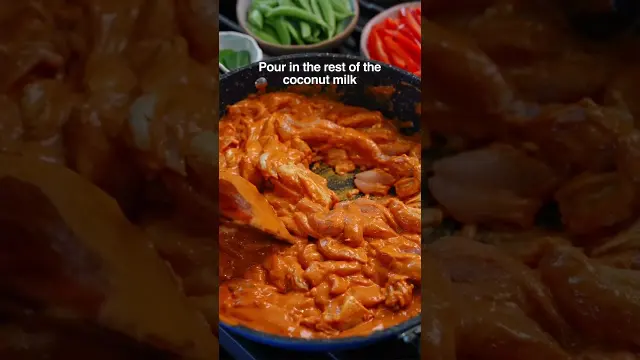 Easy Thai Red Chicken Curry Served With Coconut Rice
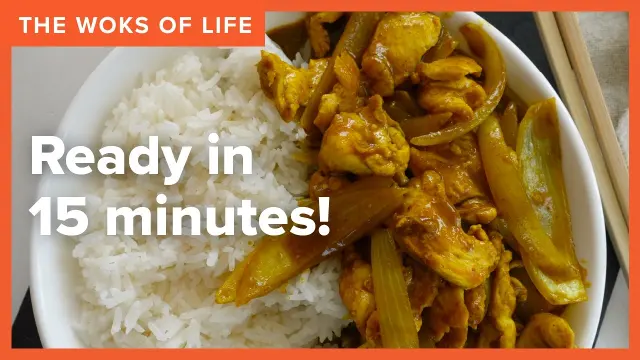 Fifteen Minute Cantonese-Style Chicken Curry Stir-Fry
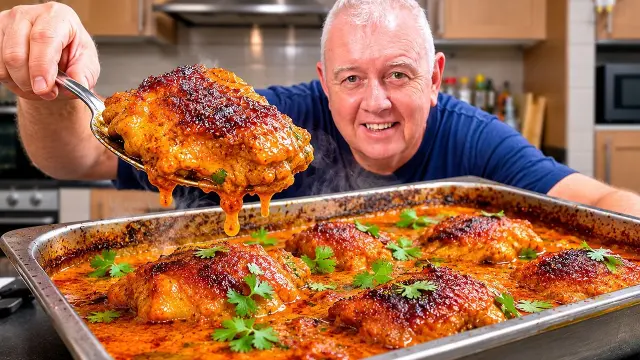 Oven Tray Chicken Curry Made Without Frying Onions
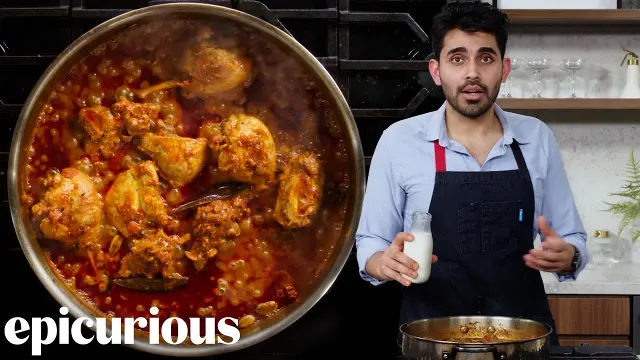 NYC Chef Neel Kajale Demonstrates North Indian Chicken Curry
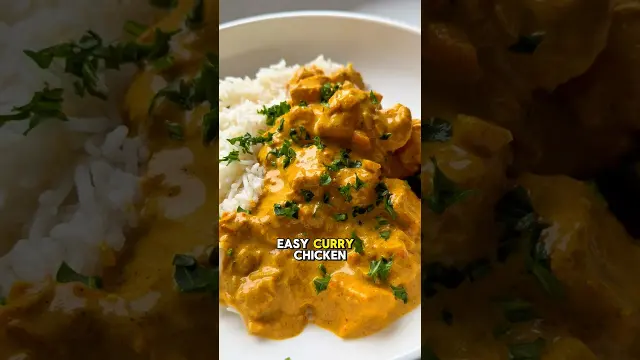 The Easiest Chicken Curry You Will Ever Make
 One Pot Creamy Coconut Curry Chicken Dinner
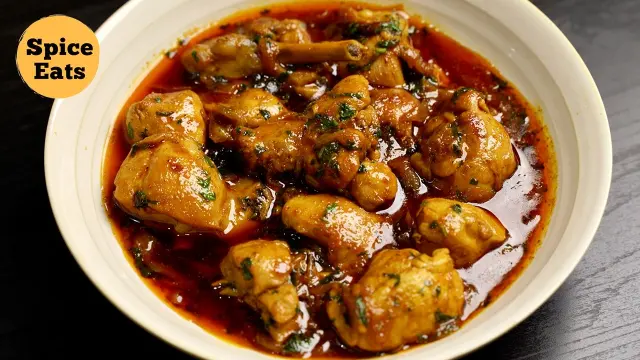 Three Ingredient Chicken Curry for Beginners
 Miniature chicken curry cooked inside a pumpkin
Get new #Chicken Curry ideas by email
Every Thursday: the week's best ideas, with the newest from #Chicken Curry.
Related tags
Chicken Curry: A Guide to Styles, Spices and Simple Techniques
Chicken curry is less a single recipe than a family of dishes built on the same idea: chicken simmered with aromatics, spices and liquid until the flavours marry. Nearly every cuisine with chickens and spice has its own version, which is why two bowls of "chicken curry" can taste nothing alike.
Where it comes from
The word itself travels far. In South Asia, "curry" is a loose English rendering of words for spiced sauces and stews found across the subcontinent, where regional kitchens developed distinct masalas over centuries. Trade and migration carried these cooking methods east to Southeast Asia and west to Africa and the Caribbean, where local cooks adapted them to what grew nearby: coconut in the south, tomatoes and peppers in the west, chillies almost everywhere. The result is not one tradition but many, each with its own logic.
The main styles
Read more
Broadly, chicken curries fall into three textures.
- Wet curries, where the chicken cooks in a generous sauce of tomato, onion, yoghurt or coconut milk. North Indian butter-style curries, Thai green and red curries, and many Caribbean versions belong here.
- Dry curries, where the liquid is cooked away until the spices cling to the meat. These are common in South Indian and Sri Lankan cooking and work well with bone-in chicken.
- Stir-fried and quick curries, where curry powder or paste is fried briefly with sliced chicken and vegetables for a fast weeknight dish.
There are also differences in the base: onion-and-tomato masalas, yoghurt-based sauces, coconut milk broths, and paste-based Southeast Asian curries built on lemongrass, galangal and chillies.
What beginners should know
The single most useful habit is to cook the spices properly. Whole spices go into hot oil first, then ground spices follow at lower heat, often with a splash of water to stop them scorching. This step, sometimes called blooming, is what separates a fragrant curry from a flat one.
Browning matters too. Searing the chicken in batches before it goes into the sauce builds depth, though many home cooks skip it for convenience. If you do skip it, add a little more time at the simmering stage instead.
Balance comes last. Taste near the end and adjust: a squeeze of lemon or lime for brightness, a pinch of salt, a little sugar if the tomatoes are sharp, more coconut milk if the heat is too strong.
Practical tips
- Use bone-in, skinless pieces for deeper flavour, or thigh meat if you prefer boneless; breast dries out quickly and needs a shorter simmer.
- Marinate in yoghurt, salt and spices for an hour or overnight if you have time. It tenderises and seasons at once.
- Cook curries a little ahead. Like most stews, they taste better after resting, and they reheat well.
- Add chillies gradually. Heat levels vary hugely between varieties, and you cannot take it back out.
- Serve with plain rice, flatbreads or bread to soak up the sauce, and something fresh on the side.
Start with one style you like, cook it a few times until it feels familiar, then vary the spices. That is how most good curry cooks learn.
#Chicken Curry: frequently asked questions
What is chicken curry, and how is it usually made?
Chicken curry is a broad family of dishes built around chicken cooked with aromatics, spices, and some kind of sauce or broth. Depending on the style, it may be rich and wet, thick and dry, or quick-cooked in a skillet with vegetables.
How do I start making chicken curry if I am a beginner?
Begin with a simple style that uses a short ingredient list and a familiar base like onion, tomato, coconut milk, or yoghurt. The most important steps are to bloom the spices in hot oil and let the chicken simmer until the flavours come together.
What kind of chicken works best for curry?
Bone-in pieces give the deepest flavour, especially in slower-cooked curries, while thigh meat is a good choice if you want something forgiving and tender. Breast can work too, but it needs a shorter cooking time so it does not dry out.
How can I make my chicken curry taste richer and less flat?
Cook the spices properly before adding liquid, because that is what gives curry its aroma and depth. Browning the chicken first also helps, and finishing with a little lemon or lime, salt, or coconut milk can bring the flavours into balance.
What are common mistakes to avoid when cooking chicken curry?
A common mistake is rushing the spices, which can leave the curry tasting harsh or dull. Another is adding too much chilli too early, or simmering lean chicken for too long so it turns dry.
What should I serve with chicken curry for a simple meal or occasion?
Chicken curry goes well with plain rice, flatbreads, or soft bread that can soak up the sauce. For a fuller spread, add something fresh on the side to balance the warmth and richness of the curry.
Videos come from YouTube and posts from Instagram; titles and summaries are our own. All rights belong to their creators.