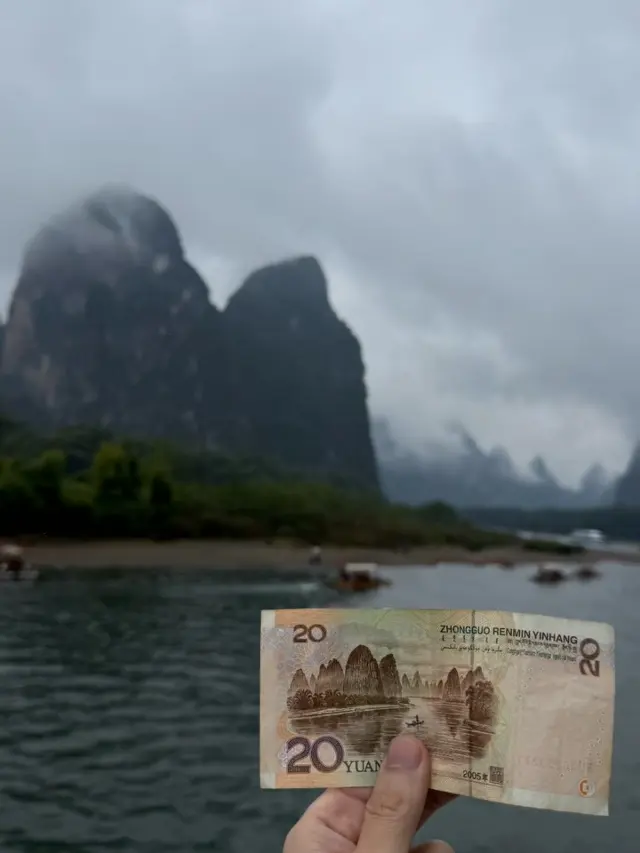
 Scenic Landscape Views Inspired by Chinese Currency in Guilin
#China Travel
4 ideas
Scenic Landscape Views Inspired by Chinese Currency in Guilin
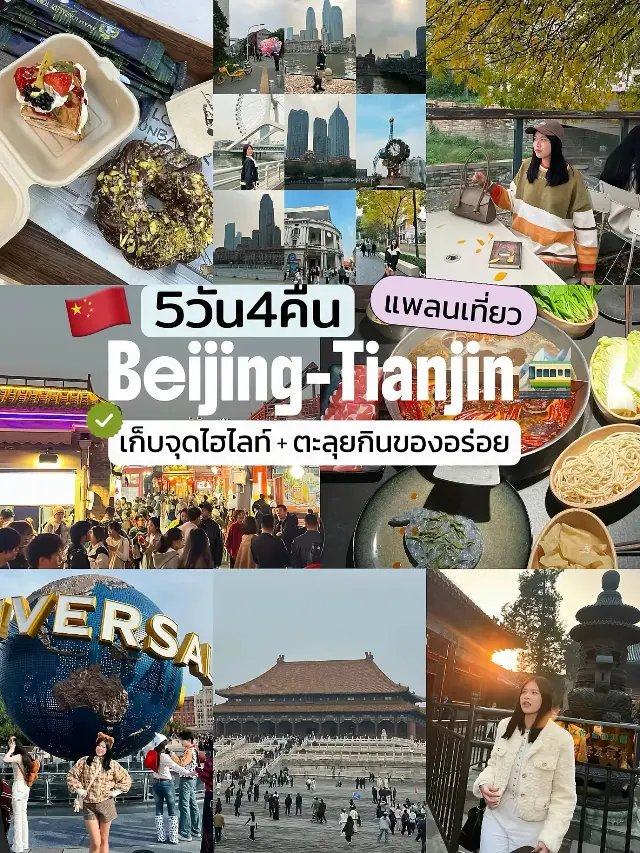 Five-Day Beijing and Tianjin Travel Itinerary
Get new #China Travel ideas by email
Every Thursday: the week's best ideas, with the newest from #China Travel.
Related tags
China Travel: A First-Timer's Guide to Planning a Journey
China is enormous — a country that stretches from tropical coastlines to desert plateaus, and holds dozens of distinct cuisines, languages and architectural traditions inside one border. That scale is the first thing to understand about travelling there: you cannot "see China" in a fortnight. The pleasure of a trip comes from choosing a corner of it and letting yourself slow down.
Thinking in regions
Most journeys fall into a handful of broad shapes. The east-coast cities — Beijing, Shanghai, Hangzhou, Suzhou — are dense, well connected and rich in classical gardens, imperial architecture and museums. The southwest, around Yunnan, Guizhou and Guangxi, offers limestone mountains, terraced fields and many ethnic minority communities. The far west brings Silk Road history, desert landscapes and Central Asian-influenced food. Add the northeast for winter scenery, or the southern coast for a warmer, more tropical pace.
A good rule for a first trip is two or three bases, not six. Travelling between cities is time-consuming even when it looks short on a map.
Read more
Getting around
China's rail network is the backbone of most itineraries: high-speed trains link major cities quickly and comfortably, while slower overnight trains reach smaller places and cost less. Book seats in advance, especially around public holidays, when the whole country travels at once. Domestic flights save time over very long distances. In cities, metro systems are usually signed in English and are the simplest way to move around; taxis and ride-hailing apps fill the gaps. Carry your passport with you — it is the document you will be asked for at hotels, stations and attractions.
Food as the point of the trip
Regional cooking is one of the great reasons to go. Rather than chasing a single national cuisine, eat locally: wheat noodles and lamb in the north-west, dim sum and roast meats in the south, freshwater fish and tea in the eastern lake towns. Street food and small family restaurants are often where the most memorable meals happen. If you have dietary restrictions, learn a few words in Chinese and carry them written down — it makes an enormous difference.
Practical habits
- Learn a handful of phrases; outside major tourist areas, English is not widely spoken.
- Have a translation app and an offline map ready before you land.
- Bring comfortable shoes — temple complexes and old towns involve a lot of walking.
- Expect to pay for many attractions by phone, and keep some cash as a backup.
- Respect local customs: dress modestly at religious sites, and ask before photographing people.
Timing and expectations
Spring and autumn are generally the most comfortable seasons across much of the country, while summers are hot and humid in the east and winters cold in the north. Avoid the major national holiday periods if you can, when transport and hotels fill quickly. Above all, leave room in your plan. The best moments in China are usually the unplanned ones — a teahouse, a market, a conversation you did not expect.
#China Travel: frequently asked questions
What is the best way to start planning a trip to China for the first time?
Start by choosing one region or a small cluster of cities instead of trying to cover the whole country. China is vast, and the best first trip usually focuses on a specific style of travel, such as historic eastern cities, scenic southwest landscapes, or the far west's desert and Silk Road heritage.
Which part of China should I choose for my trip?
It depends on the experience you want. Pick the east coast for major cities, classical gardens, and museums; the southwest for mountains, terraces, and local ethnic culture; or the far west for desert scenery and historical routes.
What do I need to prepare before traveling around China?
Bring your passport, set up a translation app, and download an offline map before you arrive. It also helps to learn a few simple phrases, since English is not always widely spoken outside the main tourist areas.
How should I get around China without wasting time?
Trains are usually the easiest way to connect major cities, while metro systems work well inside urban areas. For long distances, domestic flights can save time, but it is smart to book transport ahead during busy travel periods.
What are the most common mistakes travelers make in China?
A common mistake is trying to fit too many places into one trip, which leads to rushed travel and a lot of transit time. Another is not planning for local customs and practical details, such as carrying cash as a backup, dressing appropriately at religious sites, and preparing for meals or signs in Chinese.
Videos come from YouTube and posts from Instagram; titles and summaries are our own. All rights belong to their creators.