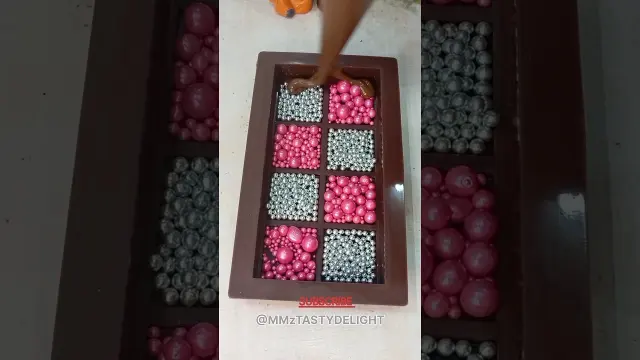
 Decadent Homemade Fudge Brownie Magnum Bar
#Chocolate Bar
10 ideas
Decadent Homemade Fudge Brownie Magnum Bar
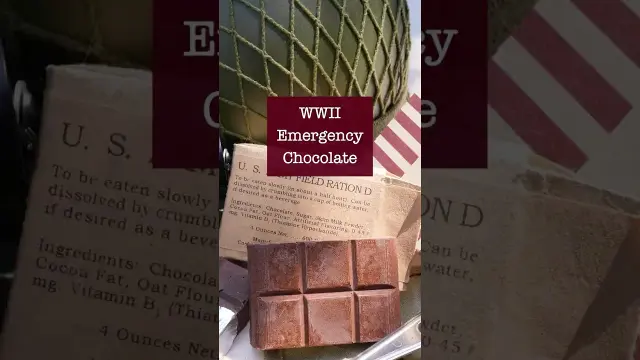 Recreating The Historical WW2 Chocolate D Ration
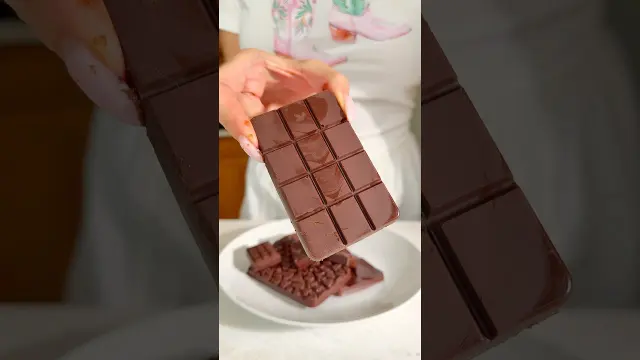 How to Make Homemade Chocolate Bars with Four Ingredients
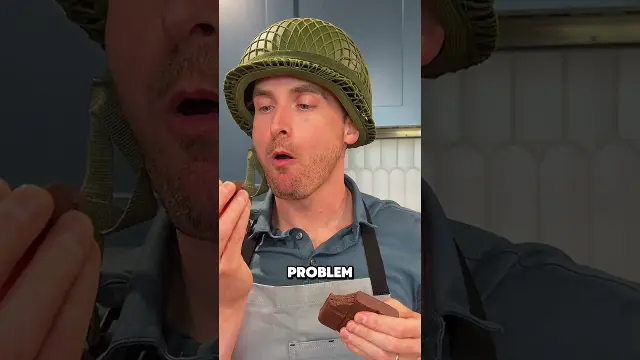 Why World War II Soldiers Disliked the Hershey D-Ration Bar
 Review and Tutorial Using the Too Faced Chocolate Nudes Palette
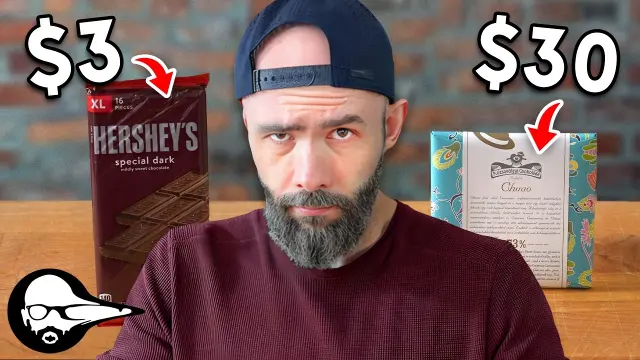 Ranking Various Chocolate Bars Across Different Price Points
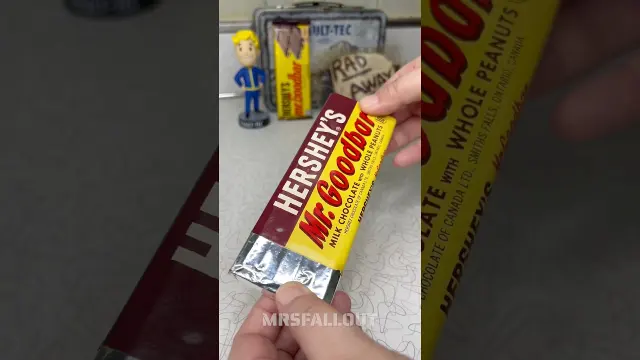 Opening and Comparing a 50-Year-Old Hershey Mr. Goodbar
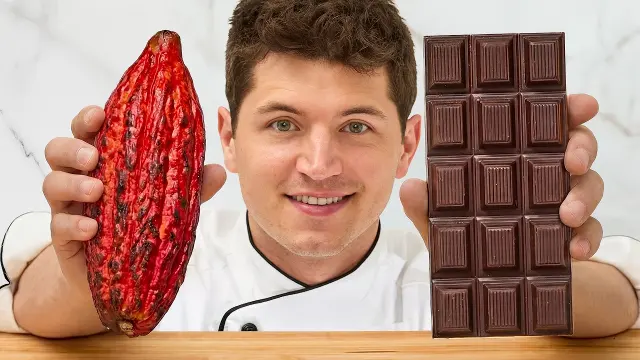 How To Make Rich Homemade Chocolate From Scratch
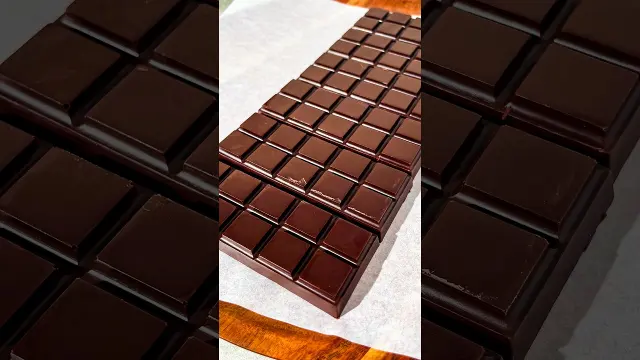 Easy 3-Ingredient Homemade Dark Chocolate Bars Recipe
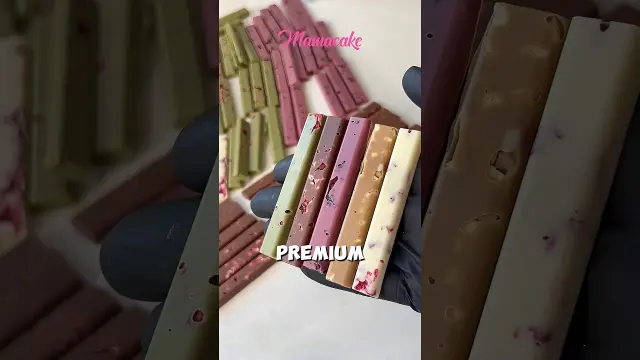 Turning Ordinary Chocolate Bars Into Custom Luxury Gifts
Get new #Chocolate Bar ideas by email
Every Thursday: the week's best ideas, with the newest from #Chocolate Bar.
Related tags
Chocolate Bars: A Simple Guide
What a chocolate bar is
A chocolate bar is a solid piece of chocolate shaped for easy eating, sharing, or cooking. At its simplest, it is made from cocoa solids, cocoa butter, and sugar. Many bars also include milk, vanilla, nuts, dried fruit, crisped rice, caramel, or other fillings. Chocolate bars are enjoyed as a treat, a baking ingredient, and a gift, and they come in many styles to suit different tastes.
Chocolate has roots in the cacao traditions of Mesoamerica, where cacao was used long before it became a sweet bar. Over time, chocolate making changed as sugar, milk, and new processing methods were introduced, making the smooth bars we know today possible.
Main types of chocolate bars
Read more
The most familiar kinds are dark chocolate, milk chocolate, and white chocolate.
- Dark chocolate usually has a stronger cocoa taste and less milk than other types.
- Milk chocolate is softer, sweeter, and creamier, with milk added for a gentler flavor.
- White chocolate contains cocoa butter, milk, and sugar, but no cocoa solids, so it has a pale color and a mild, sweet taste.
You may also find bars with fillings or additions, such as nuts, caramel, wafer, mint, or fruit. Some bars are designed for baking, melting, or everyday snacking, while others focus on texture, flavor layers, or a higher cocoa content.
How chocolate bars are made
Chocolate making begins with cacao beans. After harvesting, the beans are fermented, dried, roasted, and cracked to remove the shells. The inner nibs are ground into cocoa mass. From there, makers blend the chocolate with cocoa butter, sugar, and sometimes milk powder or other ingredients. The mixture is refined, heated, and cooled carefully to create a smooth texture and a clean snap.
This cooling process is important because it helps chocolate set properly and gives it a glossy finish. If chocolate is handled poorly, it can turn dull or develop a pale surface bloom. Bloom is usually harmless, but it can affect appearance and texture.
What to look for
When choosing a chocolate bar, think first about flavor. If you prefer a bold taste, try a darker bar. If you want something softer and sweeter, milk chocolate may suit you better. For a very mild flavor, white chocolate is an option. Ingredients matter too: a shorter ingredient list often means a more straightforward chocolate flavor, while added fillings bring sweetness and texture.
Good storage also helps. Keep chocolate in a cool, dry place away from strong odors and direct heat. Avoid the refrigerator if you can, since moisture can affect the surface.
Tips for beginners
- Start with a few styles and compare their sweetness, texture, and cocoa flavor.
- Let chocolate melt slowly in your mouth to notice the layers of taste.
- Try bars with different cocoa percentages if you want to understand how flavor changes.
- Use chopped chocolate bars in cookies, cakes, or sauces when you want a richer result than chocolate chips often give.
A chocolate bar can be simple or highly crafted, but its appeal is always the same: it offers a compact, satisfying way to enjoy chocolate. Whether you like it plain, filled, or used in baking, learning the basics helps you choose bars that match your taste.
Videos come from YouTube and posts from Instagram; titles and summaries are our own. All rights belong to their creators.