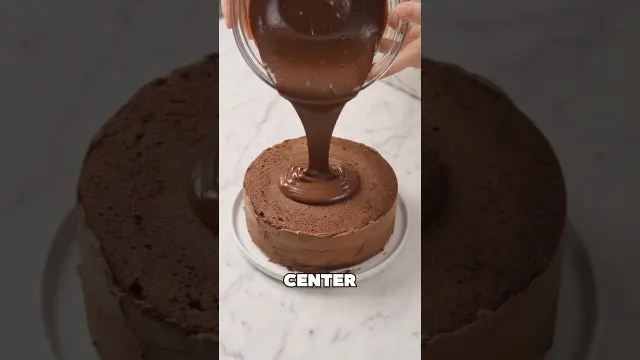
 Silky and Rich Chocolate Ganache for Desserts
#Chocolate Ganache
14 ideas
Silky and Rich Chocolate Ganache for Desserts
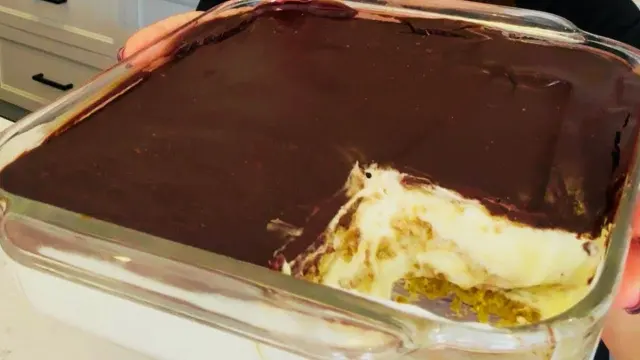 Eclair Cake with Chocolate Ganache Topping
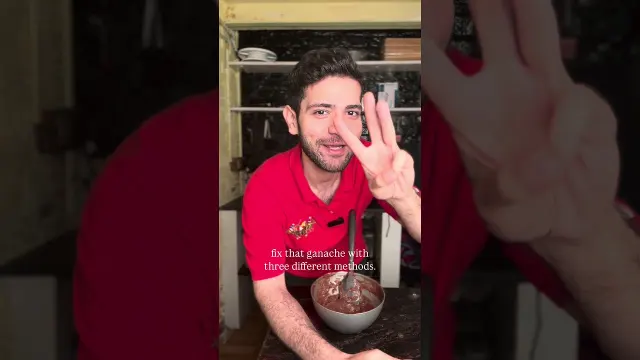 Three Foolproof Methods to Fix a Split Ganache
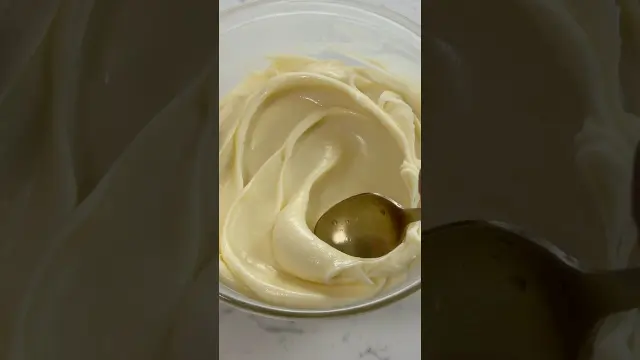 Silky Smooth White Chocolate Ganache Frosting
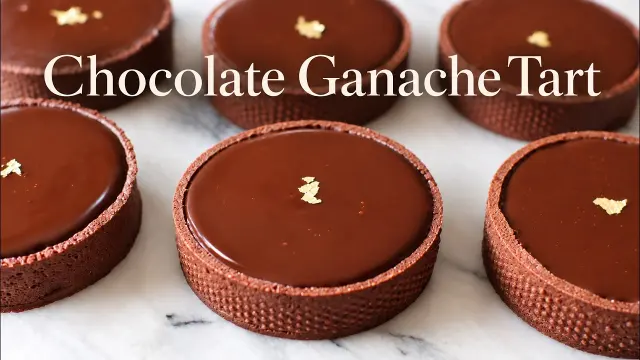 How to Make a Chocolate Ganache Tart
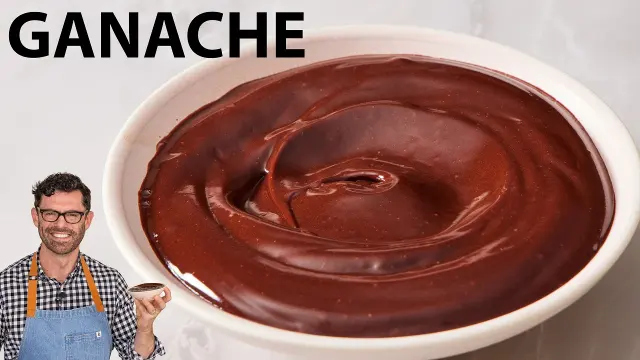 Easy Two-Ingredient Chocolate Ganache Recipe
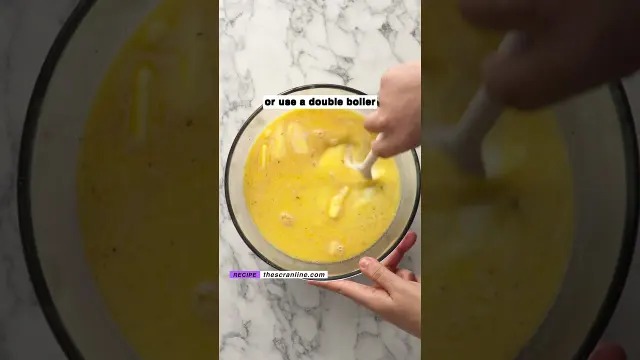 How to Make Glossy Chocolate Ganache in Five Minutes
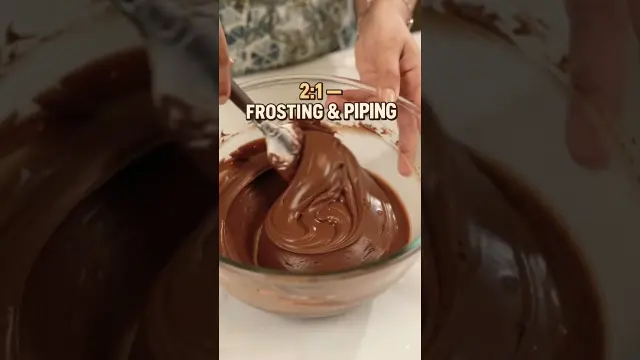 Chocolate Ganache Ratio Guide for Bakers
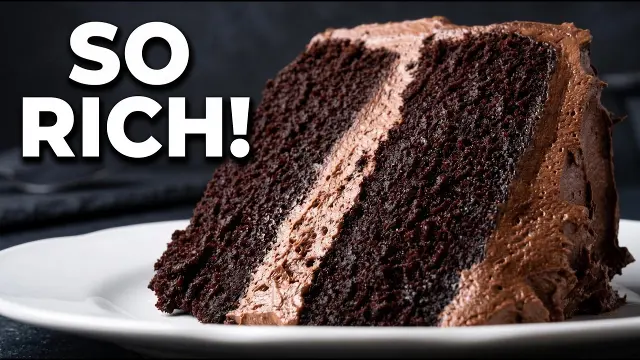 Perfecting the ultimate homemade chocolate cake with ganache buttercream
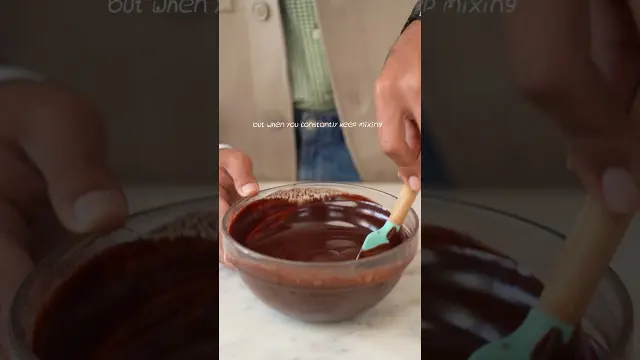 Easy Chocolate Ganache Made with Water and Chocolate
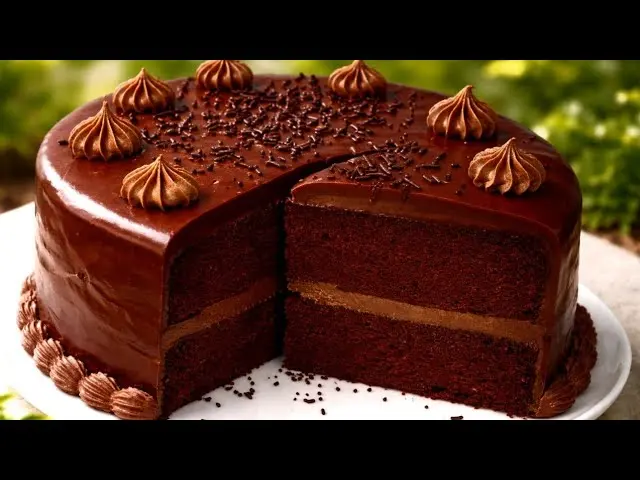 Moist Chocolate Cake with Ganache Drip
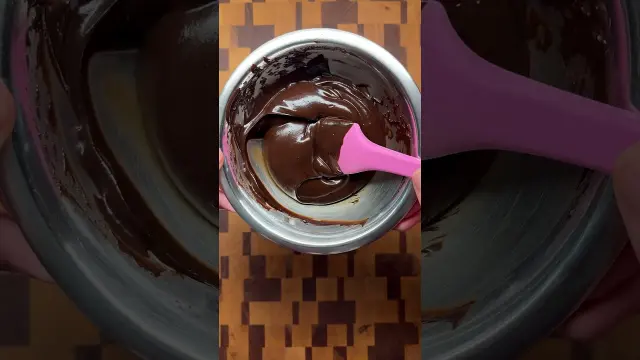 How to Make Smooth Dark Chocolate Ganache Three Ways
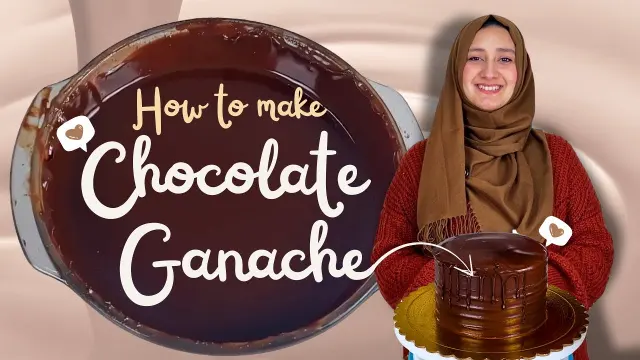 Three Ways to Use Chocolate Ganache for Cakes
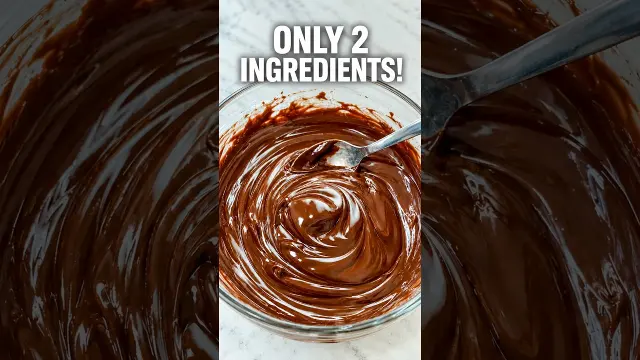 Two-Ingredient Chocolate Ganache Ratios Guide
Get new #Chocolate Ganache ideas by email
Every Thursday: the week's best ideas, with the newest from #Chocolate Ganache.
Related tags
Chocolate Ganache Guide
What chocolate ganache is
Chocolate ganache is a simple mixture of chocolate and cream that becomes smooth, glossy, and rich as the two are combined. It is one of the most useful basics in baking because it can be made thin or thick depending on how much cream you use and how you plan to use it. At its simplest, ganache is made by pouring warm cream over chopped chocolate, then stirring until the chocolate melts and the mixture comes together.
Ganache has French roots and has long been used in pastries, cakes, truffles, and other desserts. It is valued for its clean chocolate flavour and its flexible texture. When warm, it can be poured. When cooled, it thickens into a spreadable filling or a whipped frosting. If allowed to set more firmly, it can be shaped into truffles or used as a glaze.
Common uses
Read more
You can use ganache in many ways:
- as a glaze for cakes, pastries, or tarts
- as a filling between cake layers
- as a frosting when cooled and whipped
- as a drip for celebration cakes
- as a base for truffles
- as a dip for fruit, biscuits, or profiteroles
The texture you want depends on the balance of chocolate and cream. A looser mixture works well for pouring and glazing. A thicker one is better for spreading, piping, or rolling into truffles.
Choosing the right chocolate
The flavour and texture of ganache depend heavily on the chocolate you use. Dark chocolate gives a deeper, less sweet result, while milk chocolate makes a softer and sweeter ganache. White chocolate creates a very different mixture that is sweeter and usually needs careful handling because it behaves differently from darker chocolates.
For the best result, use chocolate that you enjoy eating on its own. The cream will smooth it out, but it will not hide a poor flavour. Chop the chocolate finely so it melts evenly and easily.
Basic method and useful tips
A classic ganache is easy to make, but a few small habits help it turn out well:
- Heat the cream until it is hot but not boiling.
- Pour it over chopped chocolate and let it sit briefly before stirring.
- Stir gently from the centre outward until smooth.
- If the mixture looks split, keep stirring slowly; it often comes together again.
- Let it cool before spreading, piping, or whipping.
If you want a very smooth finish, strain the ganache after mixing. If you are making a cake glaze, let it cool slightly so it thickens but still flows. For a whipped ganache, allow it to cool fully and then beat it until lighter in colour and texture.
A beginner-friendly approach
If you are new to ganache, start with a simple ratio and make a small batch first. This helps you understand how the mixture changes as it cools. Remember that temperature matters: ganache is at its most fluid when warm and becomes firmer as it cools. If it gets too stiff, you can often loosen it by warming it very gently. If it seems too thin, let it cool longer.
Ganache is one of those baking essentials that rewards patience more than skill. Once you understand how chocolate and cream behave together, you can use it in countless desserts with confidence.
Videos come from YouTube and posts from Instagram; titles and summaries are our own. All rights belong to their creators.