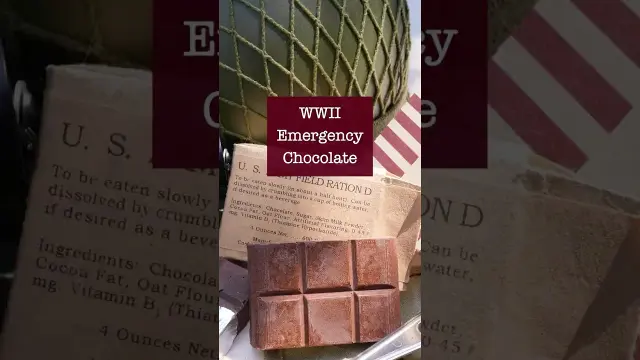
 Recreating The Historical WW2 Chocolate D Ration
#Chocolate History
13 ideas
Recreating The Historical WW2 Chocolate D Ration
 The Evolution of Chocolate From Ancient Ritual to Global Industry
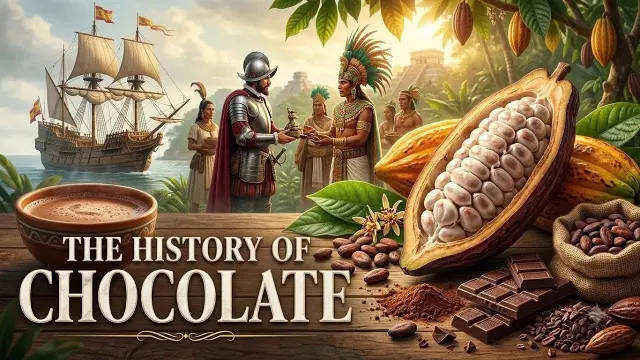 How Cacao and Chocolate Built Empires and Shaped the World
 The 3,000 Year Journey of Chocolate From Ancient Money
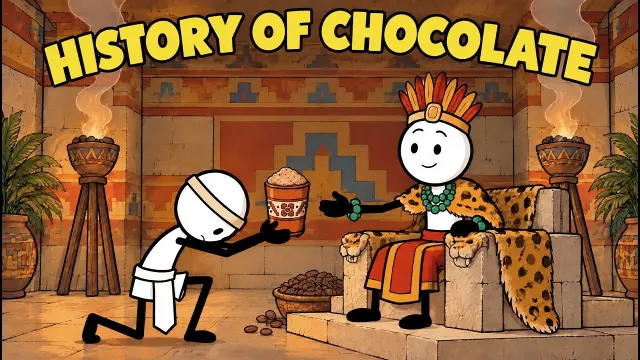 When Chocolate Was Money You Could Drink in Ancient Times
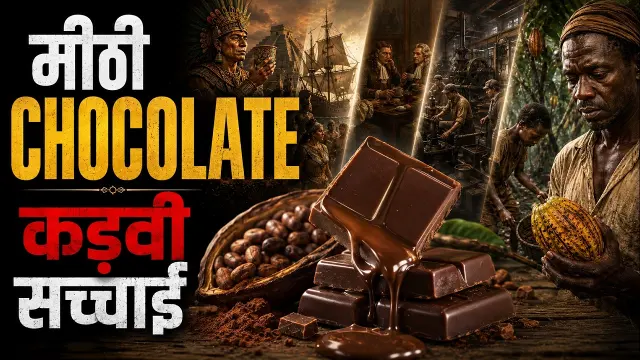 The Long History Behind Your Favorite Sweet Chocolate Bar
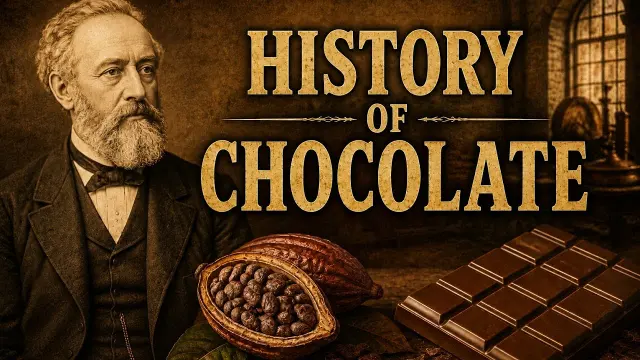 The Five Thousand Year History of Chocolate and Cacao Trade
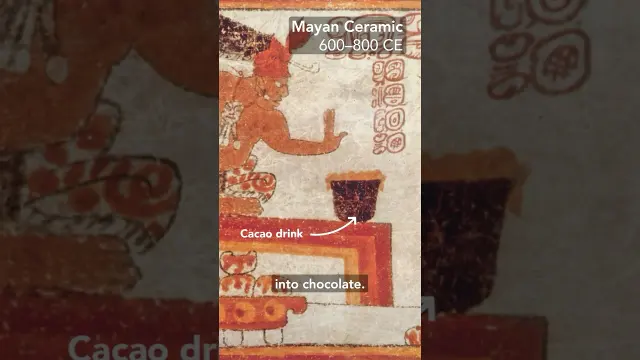 The Ancient South American Origins of Chocolate Revealed
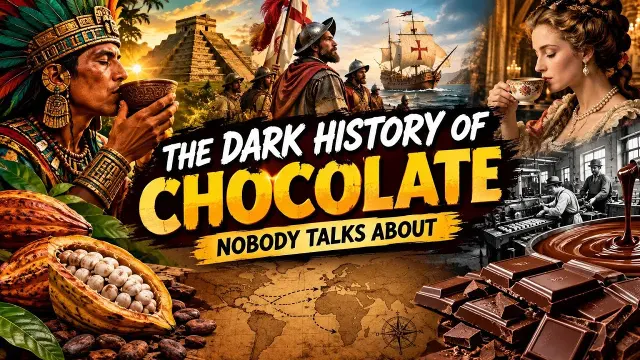 The Untold History of Chocolate From Ancient Gods to Today
 How Humans Invented Chocolate Through Centuries of Chemistry
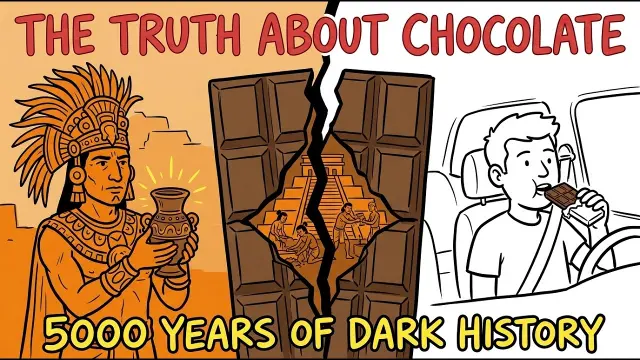 How a Sacred Aztec Drink Became the Modern Chocolate Bar
 The History of Chocolate Explored Through English Listening
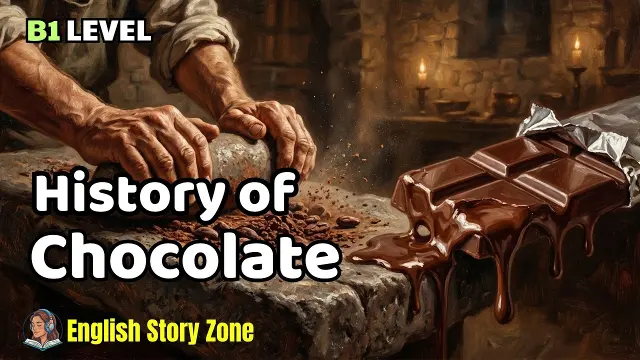 The History of Chocolate From Bitter Drink to Sweet Bar
Get new #Chocolate History ideas by email
Every Thursday: the week's best ideas, with the newest from #Chocolate History.
Related tags
Chocolate History and Origins
Chocolate has a long and fascinating history that begins with the cacao tree, which grows in warm tropical climates. The beans inside its pods were first used in Mesoamerica, where cacao was prepared as a bitter drink and valued for ritual, social, and everyday use. Long before chocolate became a sweet treat, it was an important part of local culture and trade.
Over time, cacao spread beyond its original regions and changed in character. When it reached Europe, people began to sweeten it and adapt it to different tastes. This shift helped chocolate move from a ceremonial beverage to a popular indulgence enjoyed in many forms. As processing methods improved, chocolate became smoother, more accessible, and easier to shape into bars, candies, drinks, and desserts.
From cacao bean to chocolate
Chocolate begins as cacao beans, which are harvested from the pods of the cacao tree. The beans are usually fermented, dried, roasted, and ground. These steps develop the flavor and aroma that people associate with chocolate. Different methods of processing create different results, from deep and intense dark chocolate to softer, creamier milk chocolate.
Read more
The basic forms of chocolate include:
- Dark chocolate, which contains more cocoa solids and has a stronger, less sweet taste
- Milk chocolate, which is sweeter and creamier
- White chocolate, which is made from cocoa butter and has no cocoa solids
- Unsweetened or baking chocolate, used mainly in cooking and desserts
Main styles and uses
Chocolate appears in many culinary traditions. It can be eaten on its own, melted into sauces, folded into cakes, turned into truffles, or mixed into drinks. It also plays a major role in confectionery, where it is paired with nuts, fruit, cream, spices, or caramel.
In cooking, chocolate can bring richness, bitterness, or sweetness depending on the type used. In baking, it is often combined with butter, sugar, eggs, and flour to create cakes, brownies, mousses, and cookies. In drinks, it can be whisked into warm milk or water for a comforting cup of cocoa.
What to know if you are new to chocolate
If you are exploring chocolate history or learning to use chocolate in the kitchen, it helps to taste different kinds and notice how they vary in sweetness, texture, and aroma. A higher cocoa content usually means a firmer flavor, while added milk and sugar make the taste milder.
A few practical tips:
- Store chocolate in a cool, dry place away from strong odors
- Keep it sealed to protect its flavor and texture
- Melt it gently to avoid burning
- Chop it evenly so it melts at the same rate
- For baking, choose the type of chocolate that matches the sweetness of the recipe
Chocolate has stayed popular because it is both simple and versatile. Its history is shaped by cultural exchange, changing tastes, and the many ways people have transformed cacao into food, drink, and celebration.
Videos come from YouTube and posts from Instagram; titles and summaries are our own. All rights belong to their creators.