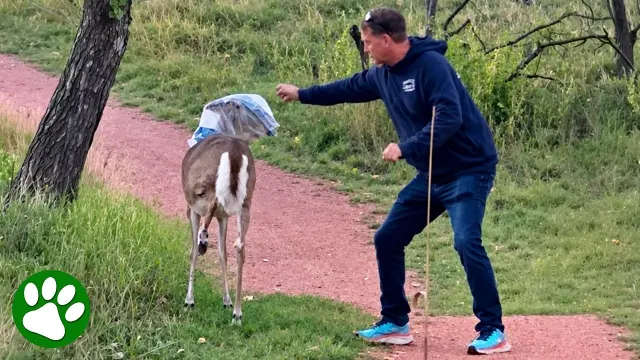
 Man safely frees a wild deer with plastic on its head
#Conservation
9 ideas
Man safely frees a wild deer with plastic on its head
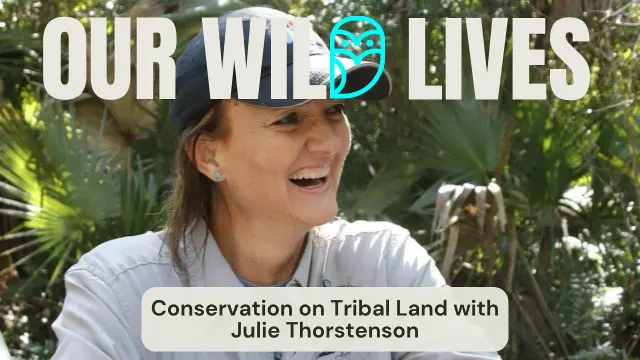 Indigenous Wildlife Conservation with Julie Thorstenson
 Safe Release of a Rescued Leopard Back Into the Wild
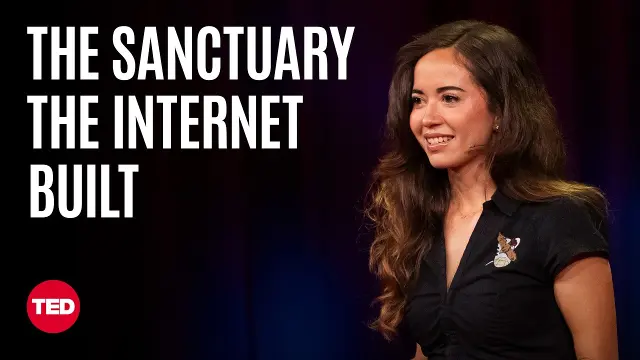 Inside the Virtual Wildlife Sanctuary With Maya Higa
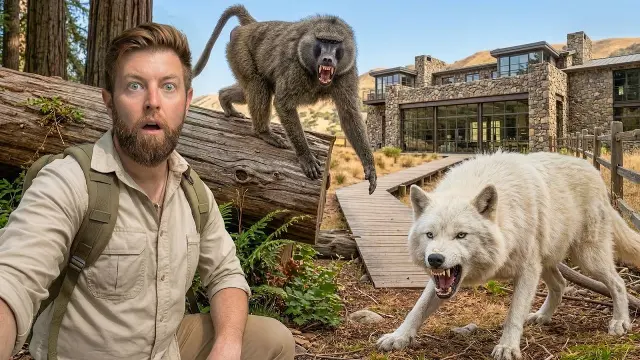 Private tour of a California backyard animal rescue
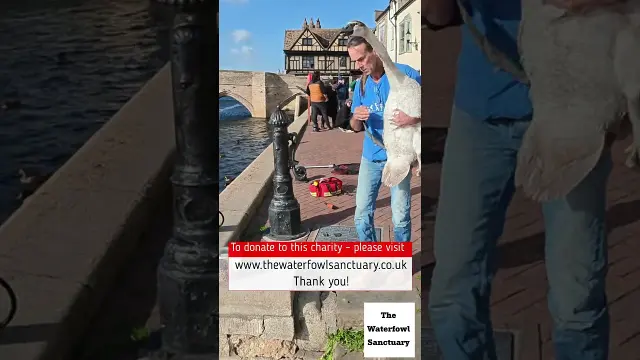 Safely Removing a Fish Hook From a Young Cygnet's Throat
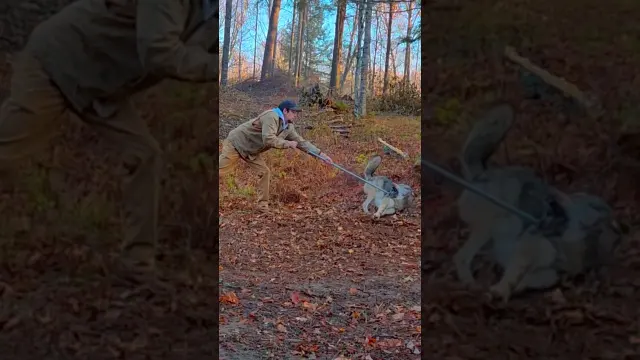 Patient Rescue and Release of a Wolf Caught in a Trap
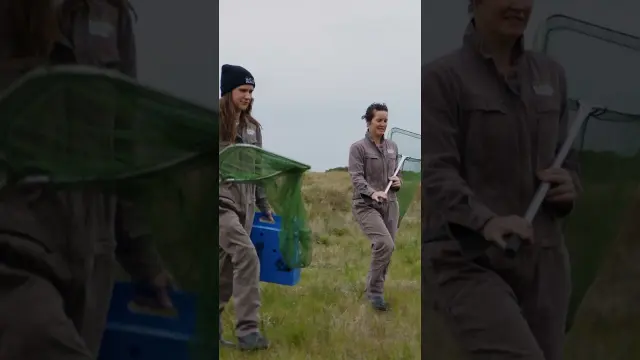 Wildlife rehabilitation at Phillip Island Nature Parks
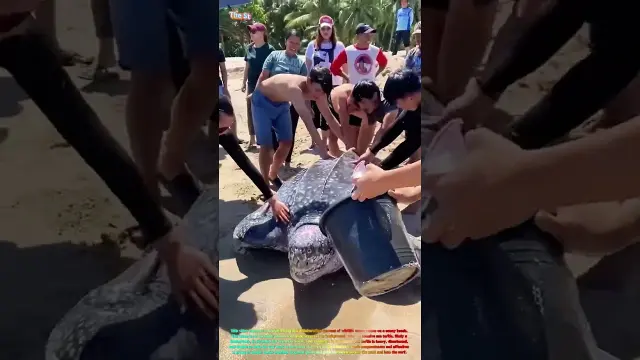 A Team Effort to Guide a Stranded Sea Turtle Back to the Ocean
Get new #Conservation ideas by email
Every Thursday: the week's best ideas, with the newest from #Conservation.
Related tags
Conservation: Protecting Wildlife and Nature
What conservation means
Conservation is the careful protection and management of nature so plants, animals, habitats, and natural resources can continue to thrive. It often includes wildlife rescue, habitat restoration, sustainable land use, and efforts to reduce harm to ecosystems. In simple terms, conservation is about helping living things survive now and into the future.
The idea has deep roots in traditional ways of caring for land and wildlife, as well as in modern environmental science. In many places, conservation work also grows from local and Indigenous knowledge, which has long emphasized balance, respect, and responsibility toward the natural world.
Why conservation matters
Read more
Conservation helps protect biodiversity, which is the variety of life in a place. Healthy ecosystems support clean water, fertile soil, pollination, and stable food chains. When habitats are damaged or fragmented, wildlife may struggle to find food, shelter, or safe places to raise young. Conservation aims to reduce that pressure.
It can also involve individual animals in distress. Wildlife rescue, rehabilitation, and release are part of conservation when they are done carefully and with the animal’s long-term wellbeing in mind. Sometimes the goal is to treat injuries, remove entanglements, or help a stranded animal return safely to the wild.
Main kinds of conservation
Conservation is a broad field, but a few main approaches come up again and again:
- Habitat conservation: protecting forests, wetlands, grasslands, oceans, and other living spaces
- Wildlife rehabilitation: caring for injured, orphaned, or distressed animals before release
- Restoration: repairing damaged areas by replanting native species, improving waterways, or reducing erosion
- Species protection: helping vulnerable animals through monitoring, safe corridors, and reduced human conflict
- Sustainable use: managing resources like water, timber, and fisheries so they can be used without long-term harm
What beginners should know
If you are new to conservation, start by learning about the plants and animals native to your area. Local ecosystems are often more connected than they first appear, so small choices can matter. Conservation is not only for remote wilderness; it also happens in gardens, parks, coastlines, farms, and neighborhoods.
A few good habits help:
- Avoid disturbing wildlife, especially nesting, resting, or injured animals
- Keep pets under control in natural areas
- Use native plants when you can, since they often support local insects and birds
- Reduce litter, especially plastic and fishing line, which can trap or injure animals
- Follow local guidance if you find an animal that seems sick or stranded
A careful approach
Good conservation is patient and respectful. Not every animal should be touched or moved, and not every problem has a quick fix. Sometimes the best help is to give wildlife space and contact trained professionals when needed. Other times, the most effective action is long-term: protecting habitat, changing habits, and supporting nature in ways that last.
If you care about conservation, you do not need to do everything at once. Start with your own surroundings, learn from local experts, and look for steady ways to reduce harm. Conservation works best when small, thoughtful actions add up over time.
Videos come from YouTube and posts from Instagram; titles and summaries are our own. All rights belong to their creators.