 Coordinated Couple Outfit Inspiration and Styling
#Couple Style
13 ideas
Coordinated Couple Outfit Inspiration and Styling
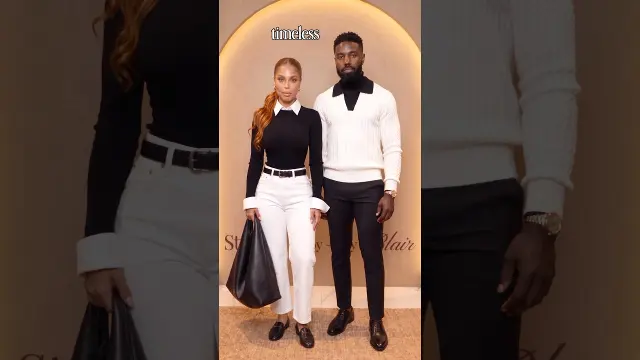 Smart Casual Couple Outfit Color Formulas
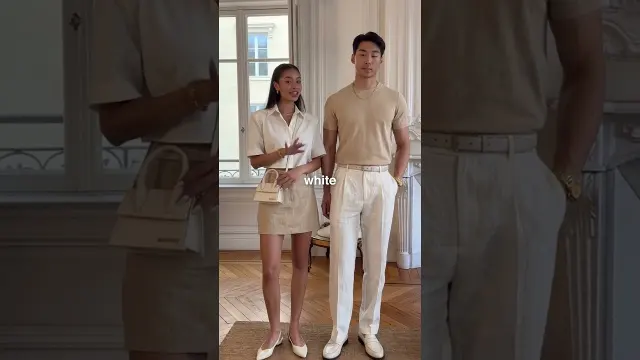 Everyday Couple Outfit Ideas for Effortless Style
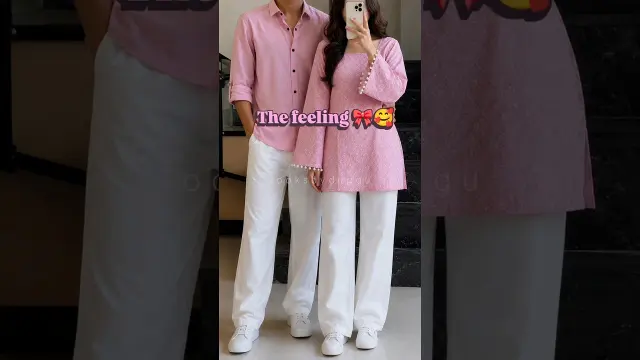 Matching Fashion Trends and Couple Outfit Ideas
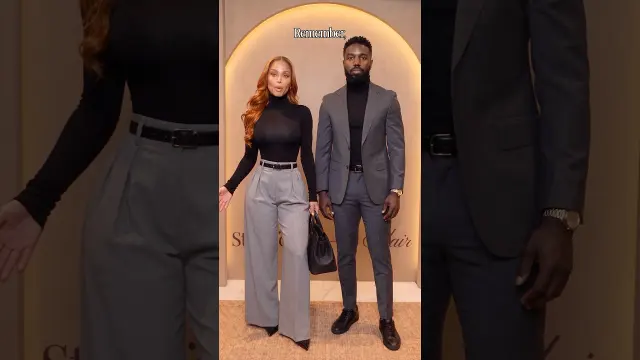 Classy Couple Outfit Ideas Using Color Palettes
 Daily Couple Style Tips and Outfit Inspiration
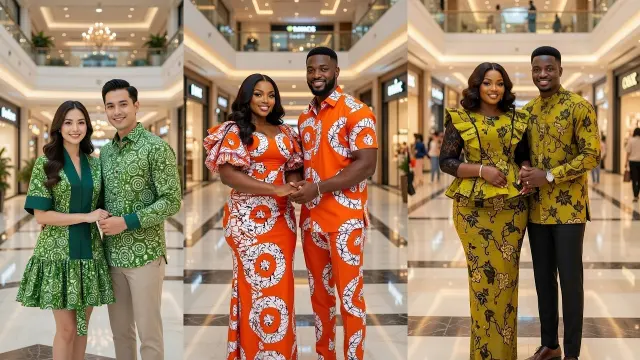 Beautiful African Ankara Outfit Styles for Couples
 Matching Color Palette Ideas for Couple Outfits
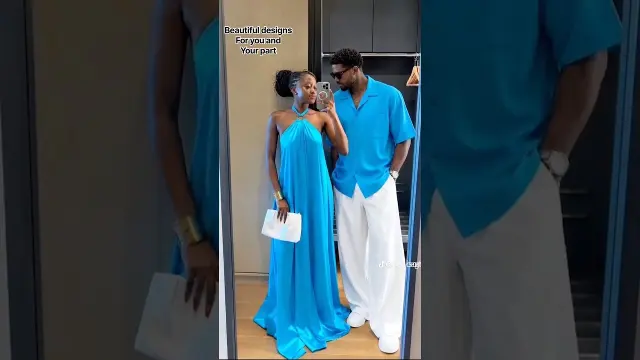 Coordinating Colors and Tones for Couple Style
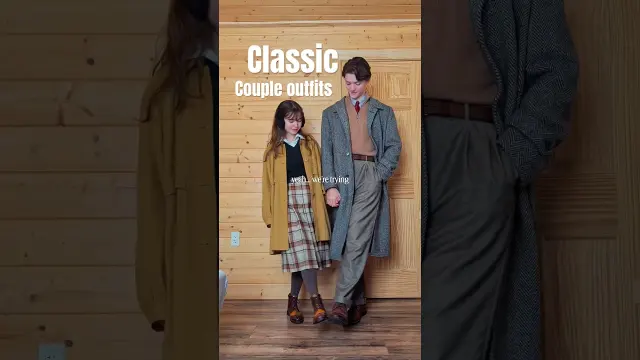 Retro and Vintage Inspired Couple Outfits
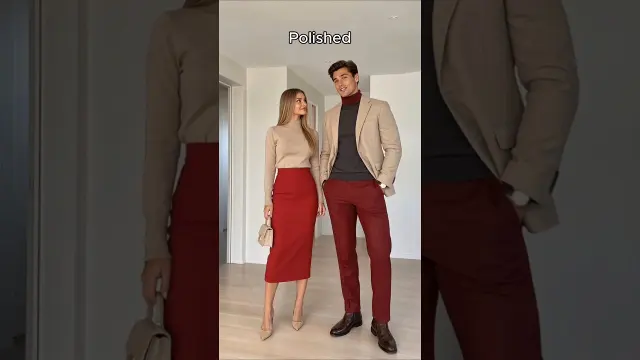 Essential Color Combinations for Couple Outfits
 Color Combination Ideas for Coordinated Couples
 Showcasing a Matching Couples Halloween Costume
Get new #Couple Style ideas by email
Every Thursday: the week's best ideas, with the newest from #Couple Style.
Related tags
Couple Style: Coordinated Dressing for Two
What couple style means
Couple style is the art of dressing in a way that feels connected without looking forced. It can mean matching outfits, but it can also mean choosing clothes that share a mood, colour palette, fabric, or level of formality. Some couples like a playful, visibly coordinated look, while others prefer a quieter approach where the connection is felt rather than announced.
This idea has long existed in different forms, from traditional matching dress codes for formal events to everyday coordination in family and social life. Today, couple style is less about following rules and more about expressing unity, personality, and occasion together.
Common ways to coordinate
Read more
There is no single correct way to dress as a couple. The most natural looks usually fall into one of these categories:
- Matching: both wear the same colour, print, or similar pieces
- Coordinated: the outfits share a theme, such as neutral tones, denim, or tailored lines
- Complementary: one outfit balances the other, for example soft with structured, light with dark, or simple with detailed
- Occasion-based: both dress for the same level of formality, such as casual, smart, or festive
Subtle coordination often looks more elegant than exact matching. If one person wears a patterned piece, the other can echo one of its colours in a plain outfit. If one chooses a formal look, the other can match the mood rather than copy the clothing.
Styles and occasions
Couple style can suit many settings. For everyday wear, relaxed coordination works well with jeans, knitwear, trainers, or simple dresses. For special occasions, matching formality matters most: if one person wears a suit or a dressy outfit, the other should feel equally polished.
For themed events, such as celebrations or costume parties, couple style can be more playful. Even then, the best looks usually have one thing in common: they still feel wearable and comfortable for both people.
Practical tips for getting it right
Start with a shared colour story. Neutrals, denim, soft pastels, or rich dark tones are easy to pair. If you want stronger coordination, repeat one detail across both outfits, such as leather, linen, stripes, or a similar silhouette.
Keep comfort in mind. If one person feels overdressed or underdressed, the balance is lost. It helps to plan together rather than choosing two separate outfits at the last minute.
A few simple guidelines make coordination easier:
- Match the formality before the details
- Use one shared colour rather than copying everything
- Mix similar textures or shapes for a natural effect
- Let each person keep personal style
- Avoid outfits that look costume-like unless that is the goal
A timeless approach
The strongest couple style looks are the ones that still feel like two individual people. Aim for harmony, not imitation. When both outfits reflect the same occasion, mood, and sense of ease, the result looks thoughtful and effortless.
#Couple Style: frequently asked questions
How do we start building a couple style without it feeling forced?
Begin with a shared colour story rather than identical garments — neutral tones, denim, soft pastels or deep dark shades are the easiest to pair. From there, repeat one detail across both outfits, such as a texture, a stripe or a similar silhouette, so the connection reads as intentional but relaxed. Planning the two looks together, instead of choosing separately at the last minute, keeps the balance right.
Do couples have to wear matching outfits to look coordinated?
No — exact matching is only one option, and subtle coordination often looks more elegant. You can share a mood, a level of formality or a single colour while each person wears something entirely different in cut and shape. The strongest results usually look like two individuals who happen to belong together, not two copies of the same outfit.
Which approach suits us best: matching, coordinated or complementary?
It depends on how visible you want the connection to be. Matching works well for playful occasions and themed events, coordinated looks built around a shared theme suit everyday wear, and complementary pairing — soft with structured, light with dark — flatters couples with quite different personal styles. Try the quietest option first and add stronger coordination only if it still feels comfortable for both of you.
What are the common mistakes to avoid?
The usual pitfalls are mismatched formality, where one person is dressed up and the other is casual, and copying every element so closely that the outfits start to look like costumes. Over-coordinating also tends to erase the personal style that makes each person look good in the first place. Keeping one shared element and letting everything else stay individual usually solves both problems.
How should we dress as a couple for a special occasion?
Match the level of formality before worrying about colours or details — if one of you is in a suit or a dressy outfit, the other should feel equally polished. Once the formality is aligned, echo a single colour or fabric between the two looks to tie them together. Comfort still matters, since a look only works if both people can move and relax in it.
Can we coordinate everyday outfits without buying anything new?
Yes — most everyday coordination comes from working with what you already own. Pick a base both of you have, such as jeans, knitwear, trainers or a simple dress, then agree on one colour or texture to repeat across both outfits. Building around pieces you wear often keeps the result practical and true to how each of you actually dresses.
Videos come from YouTube and posts from Instagram; titles and summaries are our own. All rights belong to their creators.