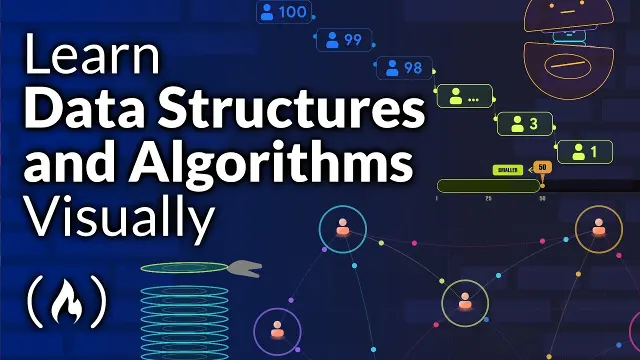
 Visual Crash Course on Core Data Structures and Algorithms
#Crash Course
1 ideas
Visual Crash Course on Core Data Structures and Algorithms
Get new #Crash Course ideas by email
Every Thursday: the week's best ideas, with the newest from #Crash Course.
Related tags
Crash Courses: Fast, Focused Learning Guides
What a crash course is
A crash course is a short, intensive introduction to a subject. It is meant to help you understand the essentials quickly, without covering every detail. You might use one to get oriented before a class, a project, a trip, or a new hobby, or simply to refresh knowledge you already have.
The idea is straightforward: learn the core concepts first, then build depth later if you need it. A good crash course does not try to replace full study. Instead, it gives you a useful map of the topic so you can recognize the main ideas, vocabulary, and methods.
Where the idea comes from
Read more
The phrase “crash course” has long been used for concentrated, accelerated learning. It suggests a brief but intensive approach, often with a practical focus. Over time, the term has come to describe many kinds of quick introductions, from written guides and workshops to short videos and revision sessions.
Crash courses are common in education, professional training, and self-study because they suit people who need to understand something fast. They are especially helpful when the goal is familiarity and confidence rather than complete mastery.
Common forms and styles
Crash courses can take many shapes, depending on the subject and the learner’s needs:
- A beginner’s overview that explains the basic terms and ideas
- A skills-focused guide that walks you through the most useful steps
- A revision summary that helps you remember what you already learned
- A practical how-to sequence with examples and exercises
- A visual guide that uses diagrams, lists, or timelines to make information easier to scan
Some crash courses are broad and general, while others are narrowly focused on one task or specialty. The best ones keep the structure clear and avoid overwhelming you with too much detail at once.
What beginners should know
If you are new to a subject, a crash course can be a very good starting point, but it works best when you use it as a first layer of learning. Try to notice:
- the key terms and definitions
- the basic process or sequence of steps
- the main categories or types
- common mistakes and how to avoid them
- what needs deeper study later
It also helps to pause and test yourself as you go. Writing a few notes, repeating the main points in your own words, or trying a simple example can make the material stick better.
Practical tips for making one work
A crash course is most useful when it is focused and active. Keep these ideas in mind:
- Start with the big picture before the details
- Learn the most common terms first
- Break the topic into small parts
- Use examples to make abstract ideas concrete
- Review shortly after learning so the main ideas stay fresh
- Accept that a crash course is a beginning, not the finish line
Used well, a crash course can save time and reduce confusion. It gives you enough understanding to move forward with confidence, and that is often exactly what you need at the start of something new.
Videos come from YouTube and posts from Instagram; titles and summaries are our own. All rights belong to their creators.