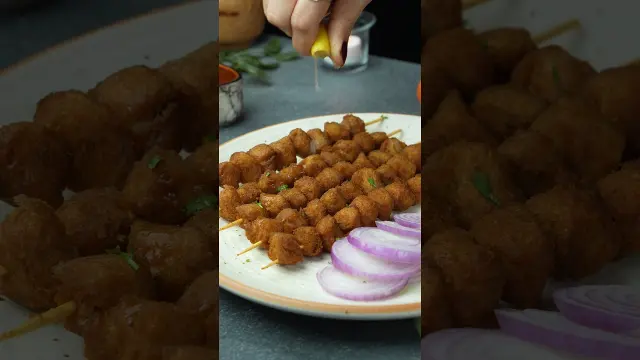
 Crispy Soya Sticks Fried to Golden Perfection
#Crispy Snack
7 ideas
Crispy Soya Sticks Fried to Golden Perfection
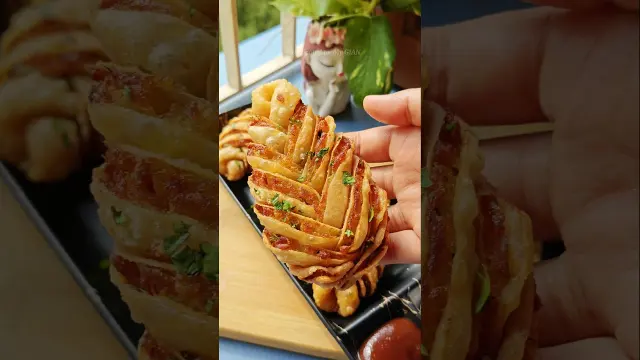 Unique and Crispy Potato Samosa Tea Time Snack
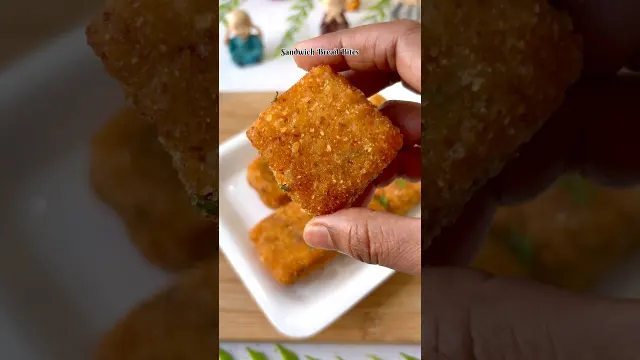 Crispy Potato Stuffed Bread Bites Tea Time Snack
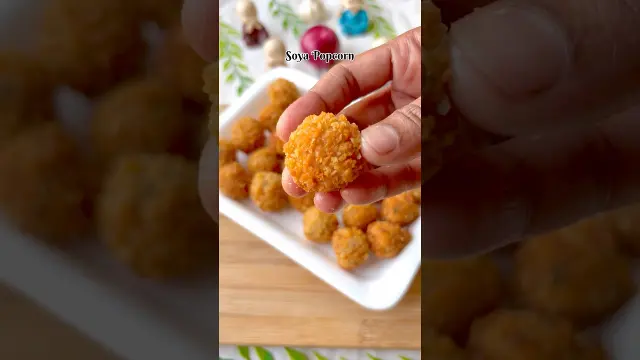 Crispy Protein Rich Soya Popcorn Evening Snack
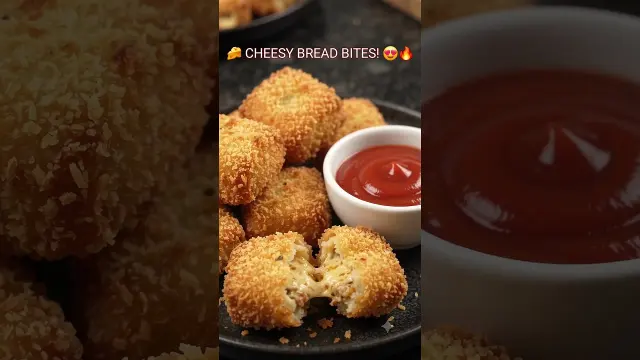 Cheesy Crispy Bread Bites For Quick Breakfast Or Snack
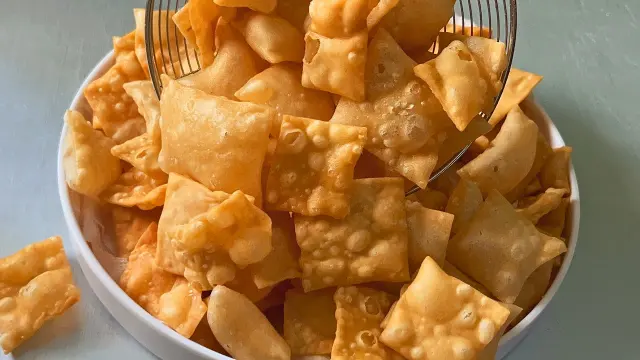 Super Crispy Savory Snack Made With Only Flour And Water
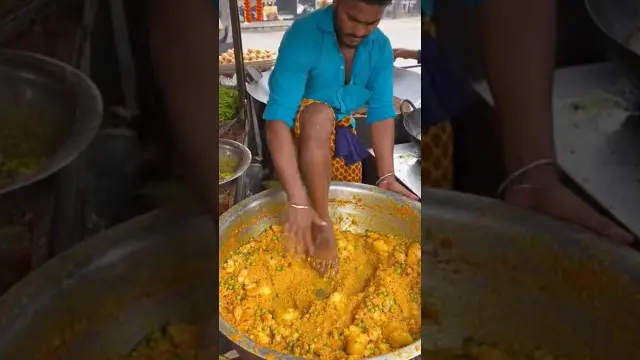 Crispy Homemade Indian Samosa Snack Recipe
Get new #Crispy Snack ideas by email
Every Thursday: the week's best ideas, with the newest from #Crispy Snack.
Related tags
Crispy Snacks
What crispy snacks are
Crispy snacks are foods valued for their dry, light, crackly texture and satisfying bite. The word “crispy” usually describes the way a snack breaks or crunches when you eat it, rather than a single recipe or food group. You can find crispy snacks in many cuisines, from thin fried pastries and toasted bread bites to baked crackers, roasted nuts, and vegetable chips.
Crispness often comes from removing moisture and creating a firm outer layer. That can happen through baking, frying, roasting, toasting, dehydrating, or air-drying in some cases. Because of that, crispy snacks range from very simple everyday foods to more elaborate treats.
Common kinds and styles
Read more
Crispy snacks come in many forms, and the style usually depends on the ingredients and the cooking method.
- Savoury snacks: samosas, crackers, bread chips, spiced fritters, savoury pastry bites, roasted chickpeas, and seasoned nuts
- Sweet snacks: wafers, cookies, brittle, crisp biscuits, and baked fruit crisps
- Baked snacks: lighter options made in the oven, often with less oil
- Fried snacks: the most traditional source of deep crunch, often with a rich, golden surface
- Toasted or roasted snacks: simple ingredients transformed by dry heat into something crisp and fragrant
Many cultures have their own versions, shaped by local grains, spices, oils, and customs. Crisp snacks often appear at teatime, as party food, or as something to nibble between meals.
What gives food a crisp texture
If you like making crispy snacks at home, it helps to understand a few basic ideas. Moisture is the main thing that prevents crispness, so recipes often aim to reduce it. Thin shapes tend to crisp more evenly than thick ones. Coatings made with flour, starch, breadcrumbs, or batter can also help create a crunchy shell.
A few practical tips can make a big difference:
- Cut ingredients into even pieces so they cook evenly
- Do not overcrowd the pan or tray, or steam will soften the texture
- Let fried or baked snacks cool on a rack so air can circulate
- Season while the snack is still warm, so the flavour sticks well
- Store crisp foods only after they have fully cooled
If you are baking instead of frying, a little oil can help with browning and texture, but too much moisture in the filling or batter can stop the snack from becoming crisp.
Tips for beginners
If you are new to making crispy snacks, start with simple recipes that use familiar ingredients. Bread, tortillas, potatoes, vegetables, or legumes are easy places to begin. Thin, even pieces are easier to manage than complex shapes. It also helps to taste and adjust seasoning after cooking, since salt and spice often feel stronger on crisp foods.
For homemade snacks, freshness matters. Crispy foods are usually best soon after cooking, when their texture is at its peak. If you need to keep them for later, a well-sealed container can help, but only once they are completely cool. Any trapped steam will soften them.
Serving and enjoying crispy snacks
Crispy snacks are often served with dips, chutneys, sauces, or tea and coffee. Their texture pairs well with soft fillings, creamy spreads, or fresh ingredients. You can use them as an appetiser, a side snack, or a quick bite between meals.
The charm of a crispy snack is simple: it should feel light, lively, and satisfying in the mouth. When you make them well, even the most basic ingredients can become something memorable.
Videos come from YouTube and posts from Instagram; titles and summaries are our own. All rights belong to their creators.