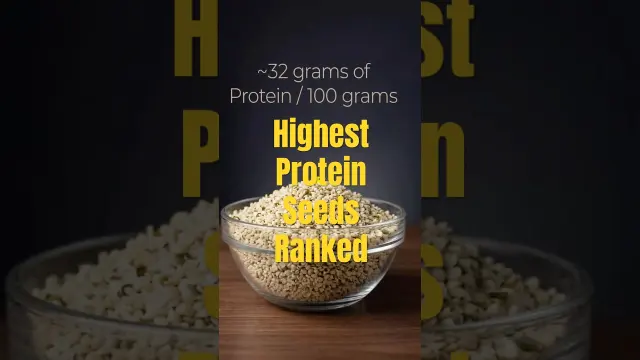
 The Five Highest Protein Seeds Ranked by Science
#Protein Rich
13 ideas
The Five Highest Protein Seeds Ranked by Science
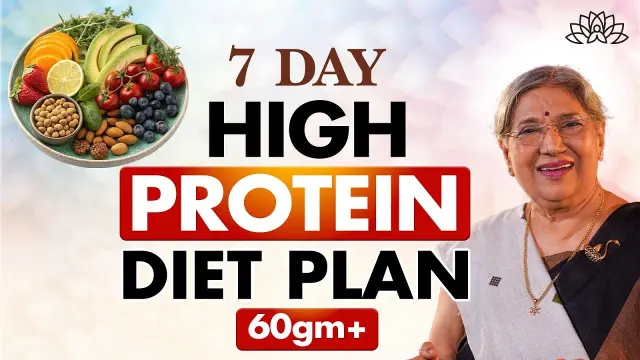 Seven Day High Protein Diet Plan Using Indian Foods
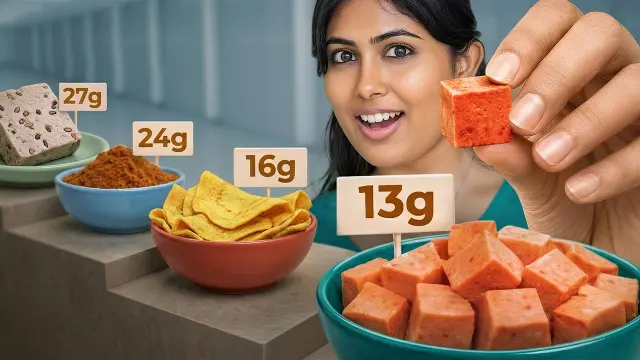 Ten World Best Plant-Based Protein Sources Ranked
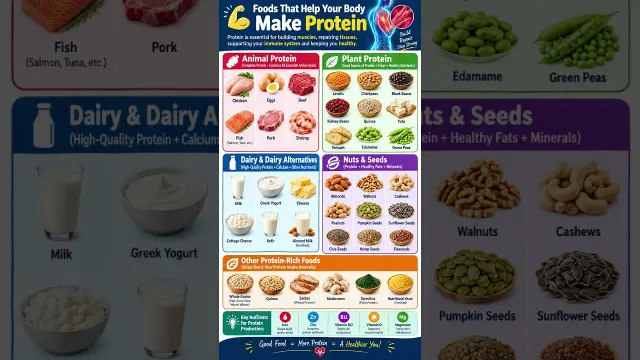 Fifteen Protein-Rich Foods You Should Add to Your Daily Diet
 Highest Protein Foods Found Right in Your Kitchen
 Seven Natural Kitchen Protein Foods to Replace Expensive Powders
 Healthy Protein Rich Sandwich Made Without Bread
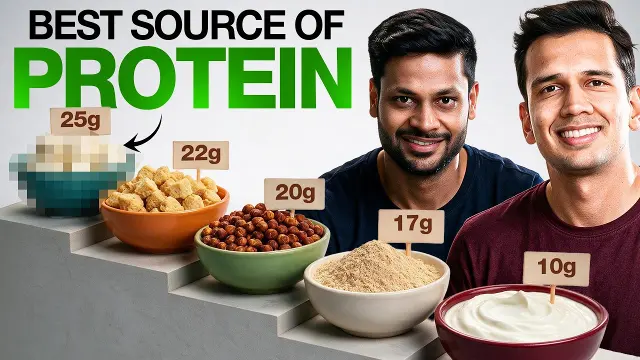 Ranking Fifteen Vegetarian Protein Sources from Worst to Best
 Twelve Protein-Rich Superfoods for Adults Over Sixty
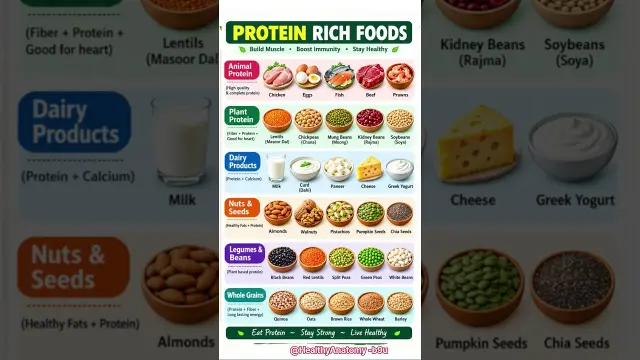 Top 20 Protein Rich Foods for a Balanced Diet
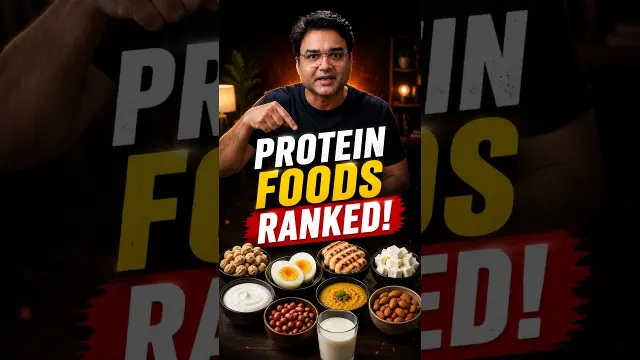 Ten Protein Foods Ranked from Worst to Best Quality
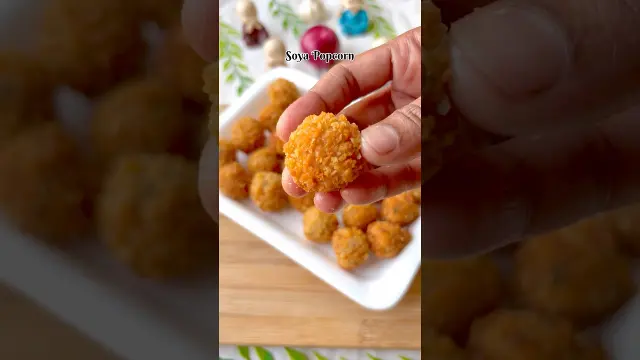 Crispy Protein Rich Soya Popcorn Evening Snack
 One Hour of High Protein Recipes with Nicole
Get new #Protein Rich ideas by email
Every Thursday: the week's best ideas, with the newest from #Protein Rich.
Related tags
Protein-Rich Foods and How to Use Them
What protein-rich means
Protein-rich foods are foods that provide a higher amount of protein than many other everyday foods. Protein is one of the main nutrients your body uses to build and maintain muscles, skin, hair, nails, and many other tissues. It also plays a role in feeling full after meals and in the normal functioning of the body.
You can find protein in both animal and plant foods. Some foods are naturally rich in protein, while others are modest sources that become part of a balanced meal when combined with grains, vegetables, legumes, nuts, or dairy.
Common protein-rich foods
Read more
There are many kinds of protein-rich foods, and the best choice often depends on your taste, lifestyle, and how you like to cook.
- Animal-based foods: eggs, fish, poultry, meat, milk, yogurt, and cheese
- Plant-based foods: beans, lentils, chickpeas, soy foods, tofu, tempeh, edamame, nuts, seeds, and some whole grains
- Mixed dishes: soups, stews, salads, wraps, grain bowls, and curries that include one or more protein sources
If you follow a vegetarian or vegan way of eating, plant-based protein sources can fit very well into daily meals. If you eat animal products, you can combine both animal and plant sources for variety.
Why protein matters in everyday meals
Protein is useful because it adds substance to meals. A breakfast with protein may help you feel satisfied for longer than one made only of refined carbohydrates. At lunch or dinner, protein helps round out the plate and works well alongside vegetables, starches, and healthy fats.
For most people, it is helpful to spread protein through the day rather than relying on one large protein-heavy meal. Simple choices like yogurt at breakfast, beans at lunch, and lentils or fish at dinner can make meals feel more balanced.
Easy ways to use protein-rich foods
If you’re trying to add more protein to your meals, start with familiar foods and build from there.
- Add eggs, yogurt, or cottage cheese to breakfast
- Mix beans or lentils into soups, salads, and pasta dishes
- Use tofu or tempeh in stir-fries and curries
- Snack on roasted chickpeas, nuts, or seed mixes
- Include fish, chicken, or lean meat with vegetables and grains
- Pair grains with legumes, such as rice and beans or hummus with whole-grain bread
What beginners should know
A protein-rich meal does not need to be complicated. The easiest approach is to think in combinations: one protein source, one vegetable or fruit, and one filling carbohydrate such as rice, potatoes, oats, or bread.
It also helps to vary your protein sources. Different foods bring different flavors and textures, and variety makes meals more enjoyable over time. If you are new to plant-based proteins, try starting with milder options like tofu, yogurt-style alternatives, lentils, or hummus.
Practical tips
- Choose minimally processed foods when you can
- Keep a few simple protein staples in your kitchen
- Build meals around foods you already enjoy
- Season protein foods well so they taste satisfying
- If you have special dietary needs, consider getting personalized advice from a qualified professional
A protein-rich approach to eating is not about strict rules. It is about making meals more nourishing, satisfying, and varied in a way that suits your everyday life.
Videos come from YouTube and posts from Instagram; titles and summaries are our own. All rights belong to their creators.