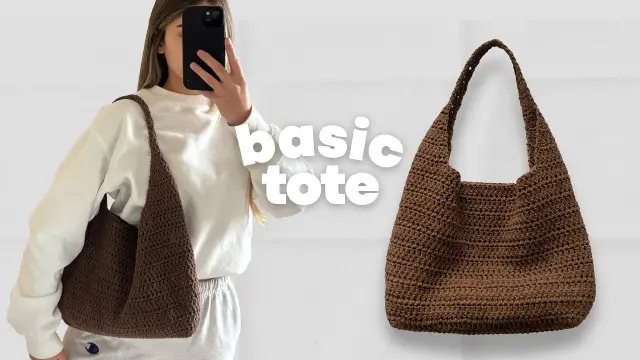
 Step-by-Step Tutorial for a Basic Crochet Tote Bag
#Crochet Basics
15 ideas
Step-by-Step Tutorial for a Basic Crochet Tote Bag
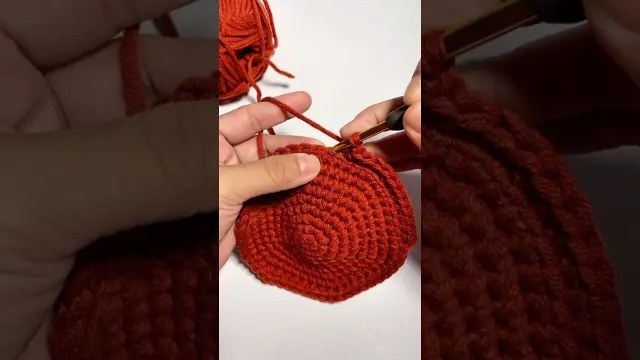 Learn Basic Crochet Stitches and Simple Projects
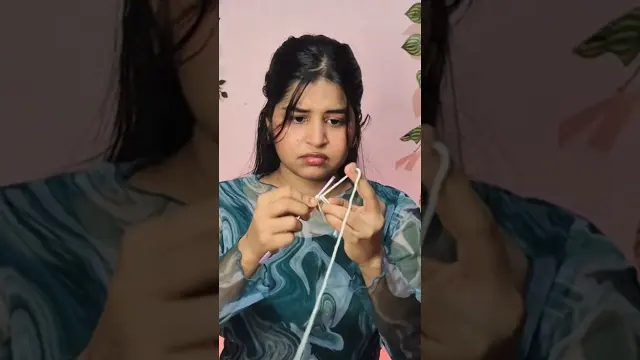 Quick Tutorial on How to Crochet a Magic Ring
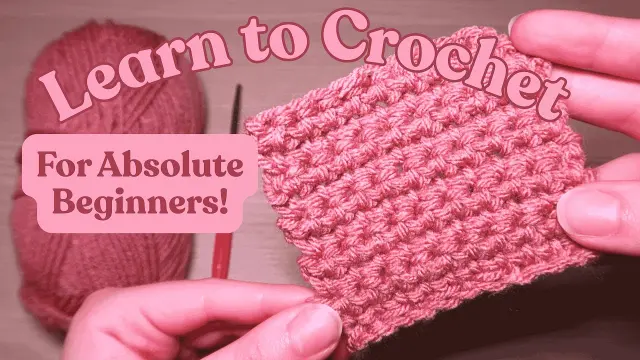 Learn the Single Crochet Stitch for Absolute Beginners
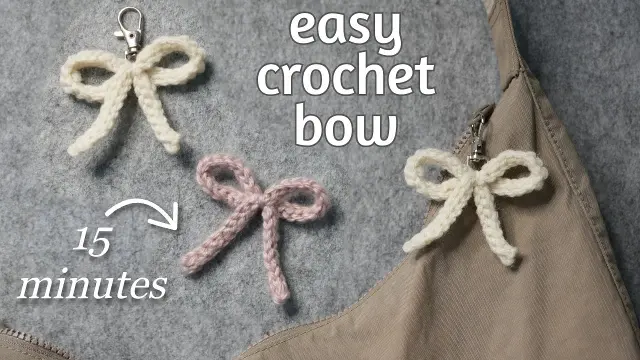 Easy Step-by-Step Crochet Bow Tutorial for Beginners
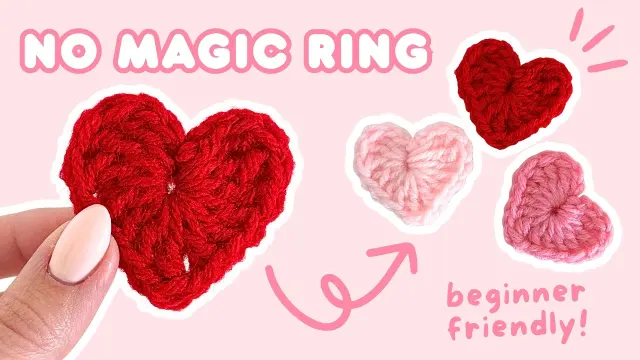 Beginner Mini Crochet Heart Applique Without Magic Ring
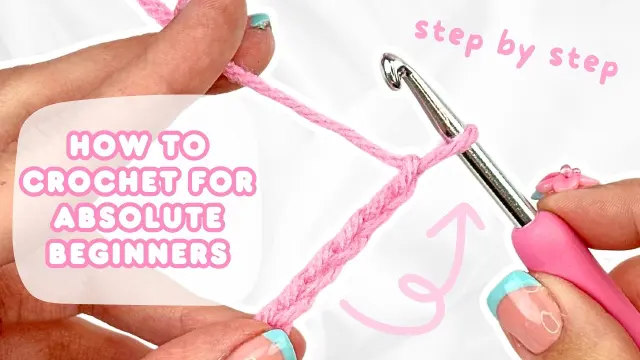 Beginner Crochet Guide: Part 1 Step-by-Step Tutorial
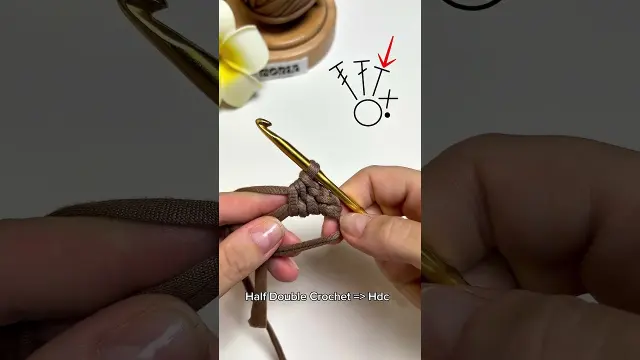 How to Crochet Five Basic Stitches in a Magic Ring
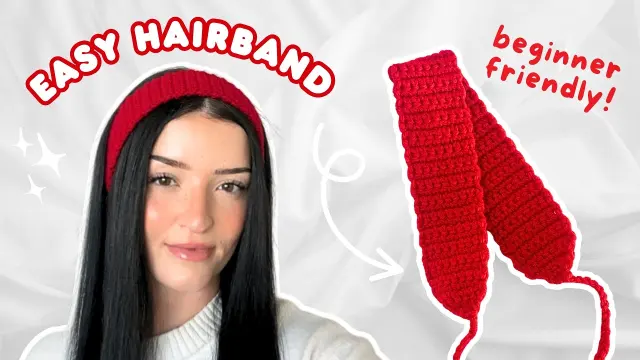 Quick and Easy Crochet Hairband Tutorial for Beginners
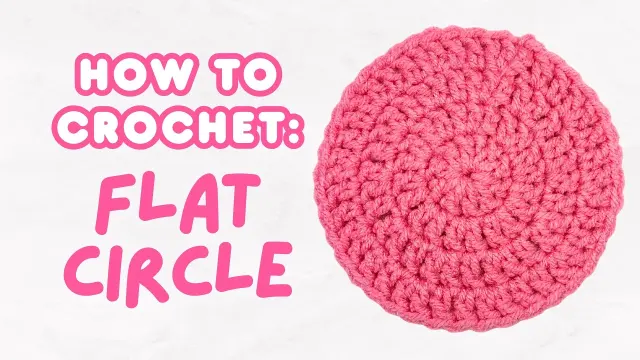 Easy Tutorial on How to Crochet a Flat Circle Without Magic Ring
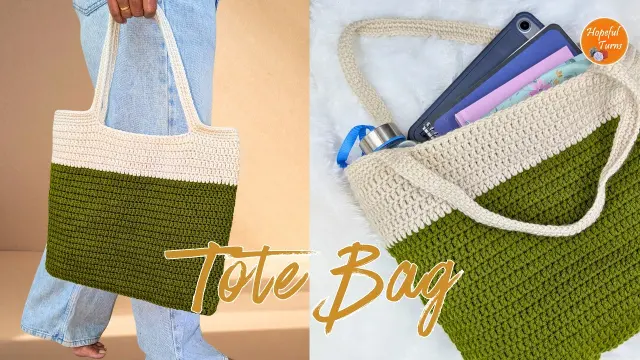 Basic Crochet Tote Bag Tutorial for Beginners
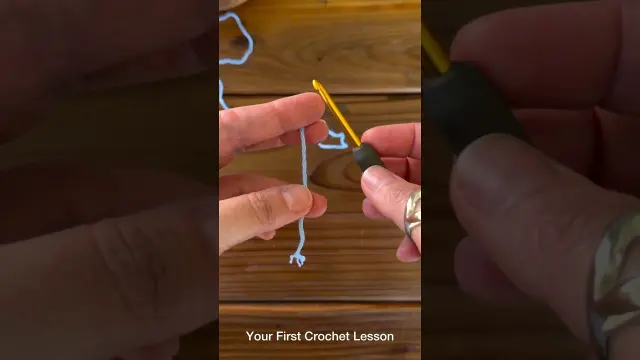 How to Make a Slip Knot for Your First Crochet Lesson
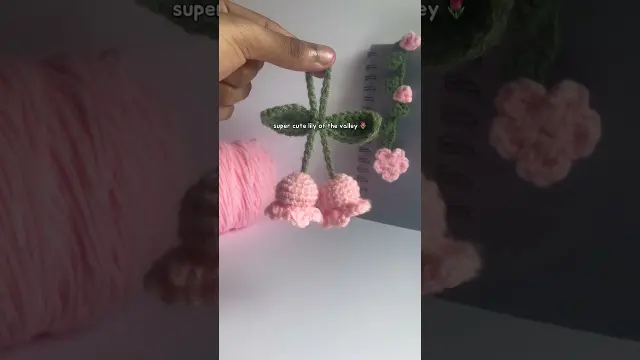 Beginner Friendly Crochet Project Guide
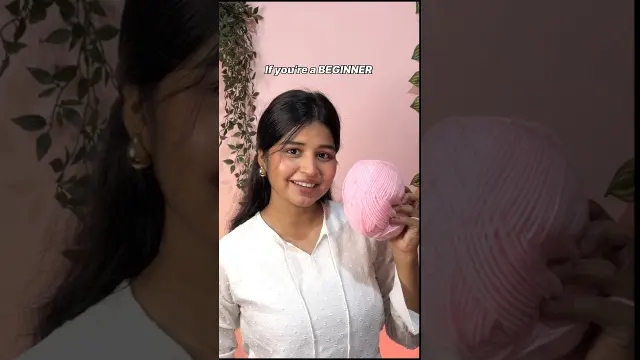 Five Basic Crochet Stitches for Beginners to Build Skills
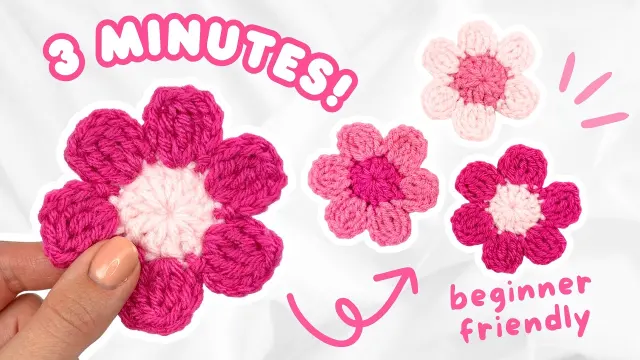 Easy Crochet Flower Tutorial Without Magic Ring
Get new #Crochet Basics ideas by email
Every Thursday: the week's best ideas, with the newest from #Crochet Basics.
Related tags
Crochet Basics: A Simple Beginner’s Guide
Crochet is a handcraft made with a single hook and yarn, creating fabric by pulling loops through other loops. It has long roots in textile traditions and is used to make clothing, blankets, accessories, toys, and decorative pieces. Because it grows stitch by stitch, crochet is especially friendly for beginners who like working at a steady pace and seeing quick results.
What you need to begin
To start crochet, you only need a hook, some yarn, and a little patience. A medium-weight yarn is often easier to handle when you are learning, because the stitches are easier to see. A smooth, light-colored yarn can also help you recognize each loop more clearly. Choose a hook that feels comfortable in your hand and matches the yarn thickness.
You may also want scissors and a blunt yarn needle for finishing ends. A calm, well-lit place makes learning much easier, especially when you are practicing your first stitches.
Read more
The basic movements
Crochet is built from a few simple actions: making a slip knot, holding the yarn, creating a chain, and working stitches into those chains or into previous rows. Once you understand how loops are formed and how the hook moves through them, most crochet patterns become much easier to read.
The chain is usually the starting point for many projects. From there, beginners often learn the single crochet, half double crochet, and double crochet stitches. These are some of the most common stitches and form the basis of many simple patterns. Learning to keep your tension even is also important, because it helps your stitches look more consistent.
Common styles and uses
Crochet can be as simple or as detailed as you like. Some projects use basic rows for scarves, dishcloths, or blankets. Others use shaped pieces, circles, or decorative stitch patterns. You may also hear about motifs, amigurumi, lace crochet, or garment-making. Each has its own character, but all are built from the same basic loop-and-hook method.
For beginners, small flat projects are often the easiest place to start. They help you practice stitch count, tension, and turning rows without too much pressure. As you grow more confident, you can try shaping, joining pieces, or making circular forms.
Helpful beginner tips
Try not to pull your yarn too tightly. A relaxed tension makes it easier to insert the hook and understand the structure of each stitch. If your first piece looks uneven, that is completely normal. Crochet improves with repetition, and even experienced makers had to learn the same basics one stitch at a time.
Read patterns slowly and focus on the stitch names and abbreviations. It also helps to count your stitches at the end of each row, so you can catch mistakes early. If you lose your place, unraveling a few stitches is part of the process, not a failure.
Most of all, keep your first projects simple. The best way to learn crochet basics is to practice the same movements until they feel familiar. Once they do, you will have the confidence to explore many different kinds of handmade work.
Videos come from YouTube and posts from Instagram; titles and summaries are our own. All rights belong to their creators.