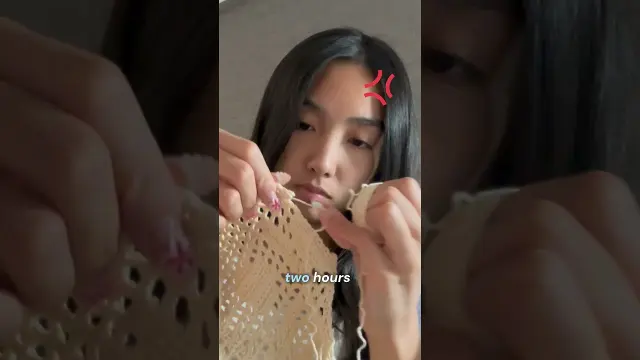
 Filet Crochet Summer Top Worked in Soft Cotton Yarn
#Crochet Clothing
2 ideas
Filet Crochet Summer Top Worked in Soft Cotton Yarn
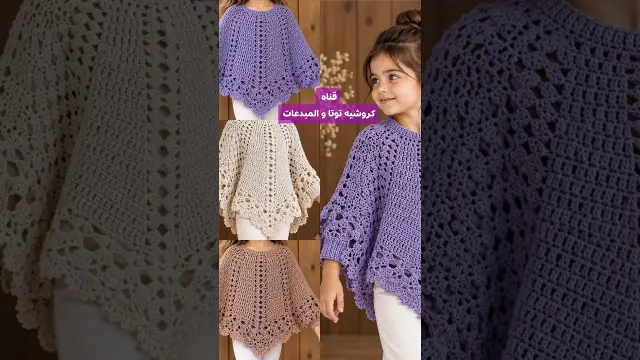 Easy Crochet Poncho Tutorial for Beginners, Step by Step
Get new #Crochet Clothing ideas by email
Every Thursday: the week's best ideas, with the newest from #Crochet Clothing.
Related tags
Crochet Clothing: A Beginner's Guide to Making Wearables
Crochet clothing is any garment or accessory made by looping yarn with a single hooked needle. Unlike knitting, which holds many live stitches on two needles, crochet works one stitch at a time and builds fabric from chains, loops and posts. That structure makes it forgiving: a mistake usually unravels back to a single point, and shaping can be added almost anywhere in a row. It also makes crochet fabric denser and more textured than knitting, with a natural drape of its own.
A little background
Crochet developed in Europe as a household craft and spread widely through the nineteenth century, helped by the fact that it needs only one tool and a ball of thread. It has long moved between practical making — shawls, baby clothes, winter hats — and decorative work such as lace edgings and table linens. Today it sits comfortably in both worlds, and clothing made by hand is valued precisely for the small irregularities that machines cannot copy.
The main kinds of crochet clothing
Read more
- Lace and openwork: chain spaces and mesh create light, airy fabric suited to summer tops, cover-ups and shawls. Filet crochet, which forms pictures and geometric patterns from solid and open blocks, belongs here.
- Motif work: separate shapes — the granny square being the best known — crocheted individually and joined into panels, cardigans or bags. Good for using up oddments of yarn and for working in small, portable pieces.
- Texture-led pieces: post stitches, bobbles and clusters give thickness and structure, which suits cardigans, ponchos, hats and outer layers.
- Tunisian crochet: a hybrid technique using a long hook that holds many loops at once, producing a dense, woven-looking fabric.
What beginners should know
Start with something small and flat before attempting a garment: a scarf, a washcloth, a simple shawl. These teach tension, stitch height and how to read your own work.
Gauge matters more than almost anything else in clothing. Crochet a small sample square in the stitch and yarn you plan to use, then measure it against the pattern. If your square is larger than stated, the finished garment will be too; changing hook size is the usual fix. Many crocheters find their tension loosens as they relax, so sample after you have warmed up.
Choose yarn for the job rather than the colour. Cotton and cotton blends hold shape and breathe well, which suits fitted summer pieces. Wool and wool blends give warmth and memory, better for structured garments. Very soft, drapey yarns look lovely in a swatch but can stretch in a long cardigan.
Practical tips
Crocheted fabric is heavier than knitted fabric of the same size, so avoid very long, tight-fitting designs in thick yarn. Block finished pieces — dampen them, pin to shape and let them dry flat — to even out stitches and settle the drape. Seam with the same yarn or a matching smooth thread, and weave in ends as you go rather than saving them all for the end.
Care for handmade clothing gently: hand wash in cool water, squeeze rather than wring, and dry flat so the weight of water does not pull the shape out.
#Crochet Clothing: frequently asked questions
What do I need to start crocheting clothing?
All you really need is a ball of yarn and a single hooked needle, which is why the craft has always been easy to pick up at home. Beyond that, a tapestry needle for seaming and weaving in ends and a pair of scissors will see you through most projects. Pick a smooth, medium-weight yarn in a light colour at first, so you can actually see your stitches.
Should I make a garment straight away, or start with something smaller?
Start small and flat: a scarf, a washcloth or a simple shawl teaches you tension, stitch height and how to read your own work before you commit to shaping. Garments add fit, seaming and sizing on top of all that, so it helps to have the basics fluent first. Once flat pieces feel steady, a poncho or an openwork top is a gentle next step.
How do I choose the right kind of crochet for a piece of clothing?
Match the technique to the fabric you want: lace and openwork give light, airy cloth for summer tops and cover-ups, while post stitches, bobbles and clusters build the thickness and structure that cardigans and outer layers need. Motif work such as joined squares is ideal when you want portable, small-scale making or a way to use up leftover yarn. Tunisian crochet produces a dense, woven-looking fabric if you prefer something more solid and tailored.
Why does my crocheted garment come out the wrong size?
Almost always because of gauge: the same stitch and yarn can come out larger or smaller than the pattern expects, and the finished piece scales with that difference. Crochet a sample square in the exact stitch and yarn you plan to use, then measure it against the pattern and adjust your hook size up or down as needed. Make the sample after a few minutes of working, since many people's tension loosens as they relax.
How do I wash and care for handmade crochet clothing?
Hand wash in cool water, squeeze the piece gently instead of wringing it, and lay it flat to dry so the weight of the water doesn't drag the shape out. Shaping it while damp, pinning it to the measurements you want and letting it dry flat, keeps stitches even and settles the drape. Store folded rather than hung, especially for heavier pieces.
What are the most common mistakes beginners make with crochet clothing?
The big ones are skipping the gauge sample, choosing yarn for its colour rather than its behaviour, and saving every loose end to deal with at the end. Very soft, drapey yarns can look lovely in a swatch yet stretch badly in a long cardigan, and crocheted fabric is heavier than knitted cloth, so very long, tight-fitting designs in thick yarn tend to sag. Weave in ends as you go and seam with the same yarn or a matching smooth thread for a tidier finish.
Videos come from YouTube and posts from Instagram; titles and summaries are our own. All rights belong to their creators.