 200 Daily Use English Sentences for Kids
#Daily Sentences
16 ideas
200 Daily Use English Sentences for Kids
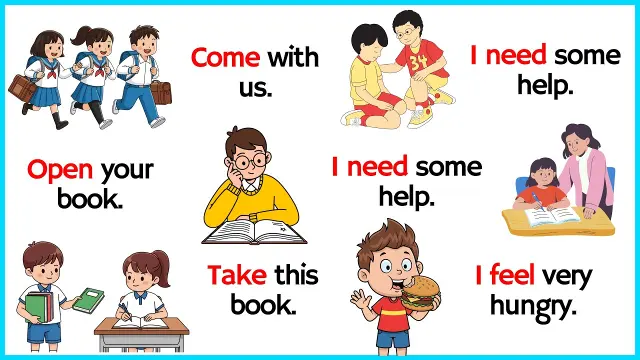 100 Daily Use English Sentences for Beginners
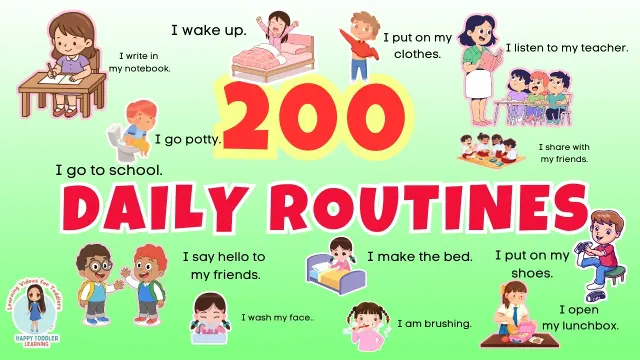 200 Daily Routine English Sentences for Kids
 100 Daily Routine English Sentences Shadowing Practice
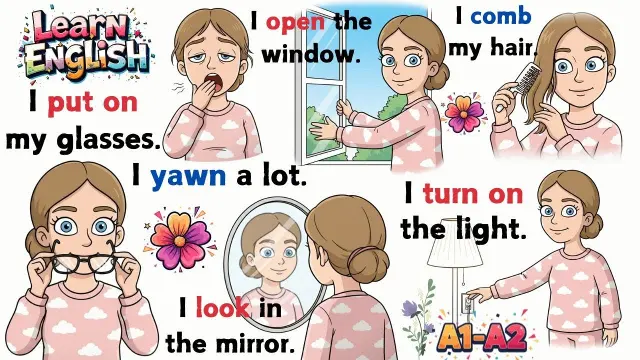 25 Daily Home Sentences for English Beginners
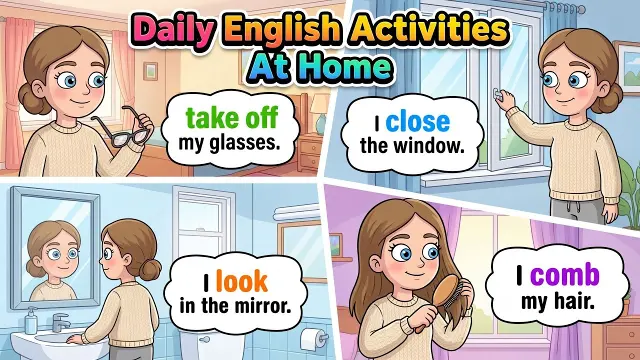 75 Daily Home Sentences to Learn American English
 500 Daily Life English Sentences for Fluency
 26 Morning Routine English Sentences for Beginners
 50 Daily English Sentences in Studio Ghibli Style
 350 Daily Life English Sentences for Shadowing Practice
 100 Daily Routine School Sentences for Kids
 99 Daily English Sentences for Real Life
 6 Everyday English Sentences for Common Actions
 A2 Level Five Minute Daily Shadowing Speaking Practice
 Intermediate English Shadowing Practice with Daily Sentences
 Daily Life Sentence Shadowing Practice
Get new #Daily Sentences ideas by email
Every Thursday: the week's best ideas, with the newest from #Daily Sentences.
Collections
Related tags
Daily Sentences for Everyday Language Practice
Daily sentences are short, practical lines you use each day to practise a language in a steady, manageable way. They are often simple enough for beginners, but useful at any level because they help you build confidence with grammar, vocabulary, pronunciation, and sentence rhythm. The idea comes from regular repetition: by working with a few natural sentences every day, you train your brain to recognise common patterns and use them more easily in real conversation.
What daily sentences are for
Daily sentences are usually based on everyday situations such as greeting someone, describing your routine, asking for help, talking about plans, or sharing opinions. They are especially helpful if you want to move from learning isolated words to using full, natural sentences. Instead of memorising long lists, you practise language in context, which makes it easier to remember and reuse.
They can also be a gentle way to keep language learning consistent. A few sentences a day is often more sustainable than trying to study for a long time once in a while. Over time, this regular contact with the language can improve fluency, listening, and speaking confidence.
Read more
Common ways to use them
You can use daily sentences in several ways:
- Read them aloud to practise pronunciation and rhythm
- Repeat them until they sound natural
- Write them out to reinforce spelling and sentence structure
- Translate them from your native language into the language you are learning
- Change one part of a sentence to create new practice
- Use them in shadowing, where you listen and repeat at the same time or just after the speaker
Each method trains a different skill, so it helps to mix them rather than always doing the same thing.
What beginners should focus on
If you are just starting, keep the sentences short, clear, and useful. Choose sentences that match real life rather than unusual or highly formal phrases. It is better to master a small number of common sentence patterns than to rush through many difficult ones.
A few good things to notice are:
- word order
- verb forms
- articles and pronouns
- common question patterns
- everyday connectors such as and, but, because, and then
Do not worry if you do not understand every word at first. The goal is to become familiar with patterns and build confidence gradually.
Practical tips
Try to practise daily sentences in a way that feels easy to repeat:
- Start with 5 to 10 sentences a day
- Say each sentence slowly before trying normal speed
- Group sentences by topic, such as family, food, travel, or work
- Review older sentences often so they stay active in your memory
- Record yourself sometimes and listen back for clarity
- Make your own versions of the sentences once you understand them
If you keep the practice short but regular, daily sentences can become a simple and effective habit. They are not meant to replace full reading, listening, or conversation, but they work very well alongside them. The more often you meet useful sentence patterns, the more naturally they begin to feel when you need them.
#Daily Sentences: frequently asked questions
How do I start practising daily sentences if I'm a complete beginner?
Pick a handful of short sentences tied to something you actually do every day, like greeting people, introducing yourself, or describing your morning. Read each one aloud slowly first, then at a normal pace, and only move on once it feels comfortable. Keep the set small enough that you can repeat it without effort, then swap in new lines as the old ones start to feel automatic.
What do I actually need to practise daily sentences?
Nothing beyond a short list of sentences and a few quiet minutes — a notebook or a phone note is plenty, and recording yourself is optional but helpful. The real requirement is regularity rather than equipment, so a fixed moment in your day works better than a long session you can only manage occasionally. If you can, keep older sentences somewhere you can revisit them.
Which kinds of daily sentences should I choose?
Choose sentences that match situations you genuinely expect to be in, such as ordering food, asking for directions, talking about plans, or chatting with classmates and colleagues. Short, natural lines you would really say are far more useful than long, formal ones you may never use. Grouping them by theme also makes them easier to recall when that situation comes up.
How do I keep daily sentence practice from fading after a few days?
Attach the practice to something already in your routine, like your commute or your first coffee, so it does not depend on motivation. Review older sentences regularly instead of constantly adding new ones, and try changing one part of a sentence to make a fresh version of it. Mixing reading aloud, writing, and listening-and-repeating keeps it from turning into the same exercise every day.
What are the most common mistakes people make with daily sentences?
The usual ones are collecting far too many sentences at once, rushing through difficult lines before the simple ones feel natural, and only reading silently instead of speaking. Another frequent slip is never going back to earlier sentences, so they fade just as they were becoming useful. Treat the practice as a small daily habit rather than a course to finish, and let it sit alongside real reading, listening, and conversation.
Videos come from YouTube and posts from Instagram; titles and summaries are our own. All rights belong to their creators.