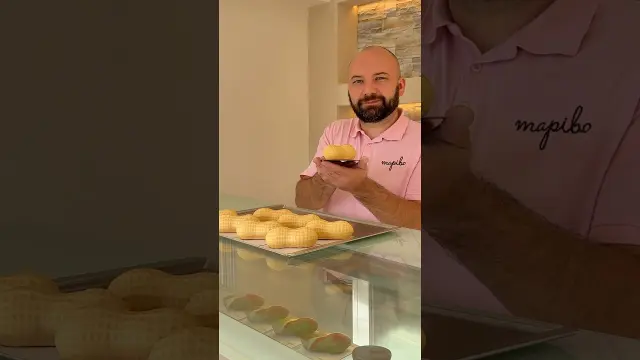
 Trompe-l'oeil peanut dessert art from a patisserie
#Dessert Art
3 ideas
Trompe-l'oeil peanut dessert art from a patisserie
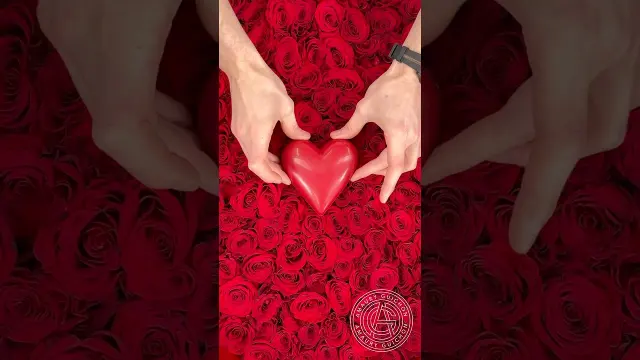 Sculpted Chocolate Heart Creation by Amaury Guichon
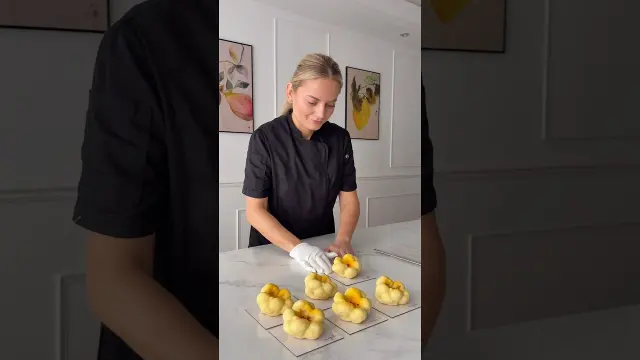 Trompe-l'oeil popcorn dessert art in patisserie style
Get new #Dessert Art ideas by email
Every Thursday: the week's best ideas, with the newest from #Dessert Art.
Related tags
Dessert Art: Creative Edible Designs
Dessert art is the craft of turning sweets into visual creations as well as treats. It sits between pastry, sculpture, and decoration, and it can be as simple as a neatly piped cake or as intricate as a lifelike sugar piece. At its heart, dessert art is about using flavor, texture, color, and shape to make food that looks as appealing as it tastes.
What dessert art is
Dessert art appears in many forms: cakes, pastries, plated desserts, chocolates, sugar work, and molded confections. Some pieces are designed to be elegant and refined, while others are playful, whimsical, or highly realistic. The most important idea is that the dessert is built with intention. Every layer, glaze, garnish, and line contributes to the final look.
This tradition grows from classic pastry skills, where decoration has long been part of special occasion baking. Over time, pastry chefs and home bakers alike have pushed these skills further, using sculptural techniques and artistic presentation to create desserts that feel personal and memorable.
Read more
Common styles and techniques
Dessert art can be approached in several ways:
- Piping: Cream, icing, or ganache is used to form borders, flowers, lettering, and other patterns.
- Glazing and coating: Smooth finishes can give cakes and pastries a polished look.
- Sculpting: Chocolate, sugar, marzipan, fondant, or modeling paste can be shaped into forms and figures.
- Plating: On a dessert plate, sauces, crumbs, fruit, and creams are arranged like a composition.
- Painting and coloring: Edible color can add shading, detail, and depth.
- Texture play: Crisp, soft, glossy, matte, and creamy elements are combined for visual and sensory contrast.
Some dessert art is highly realistic, meant to resemble everyday objects or natural forms. Other styles are more abstract, relying on color, symmetry, or dramatic height. You do not need to master every technique at once. Many beautiful desserts begin with just one clear idea and careful execution.
What beginners should know
If you are new to dessert art, start with simple shapes and a limited color palette. Clean lines and balanced proportions often matter more than complicated decoration. Practice makes a big difference, especially with piping, smoothing, and working quickly before ingredients set.
A few practical habits can help:
- Plan the design before you begin assembling.
- Keep your workspace and tools organized.
- Chill components when needed so they hold their shape.
- Use decorations that match the dessert’s texture and flavor.
- Focus on stability first, then decoration.
It also helps to think about taste as much as appearance. Dessert art should still be enjoyable to eat. Too many decorations can make a dessert look crowded or harder to serve, so aim for balance.
How to approach it well
Good dessert art usually follows a simple principle: make every element earn its place. Choose a central theme, then support it with color, shape, and contrast. Whether you prefer delicate pastries, dramatic cakes, or elegant plated sweets, dessert art gives you room to be creative while staying rooted in classic pastry technique.
If you are just starting out, begin with small projects and build confidence step by step. With patience, even basic methods can produce desserts that feel thoughtful, polished, and beautifully made.
Videos come from YouTube and posts from Instagram; titles and summaries are our own. All rights belong to their creators.