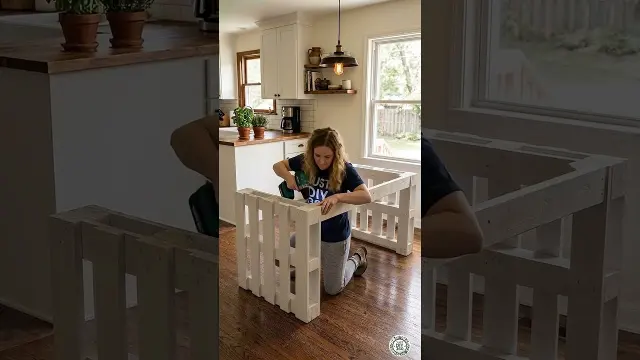
 Simple Wooden Pallet Dining Table DIY
#Dining Table
1 ideas
Simple Wooden Pallet Dining Table DIY
Get new #Dining Table ideas by email
Every Thursday: the week's best ideas, with the newest from #Dining Table.
Related tags
Dining Table Guide: Styles, Materials and Choosing Well
The dining table is the piece of furniture around which a household's daily life gathers. It is a work surface, a meeting place and, in many homes, the largest thing anyone owns. Understanding how tables are built and what each choice asks of you makes the decision far easier than choosing on looks alone.
Where the table comes from
Long before it was furniture for eating, a table was a board laid across trestles and taken down again when the meal was over. The fixed dining table, with legs and a permanent place in a room, belongs to a later stage of domestic life, when separate dining rooms became common and households began to sit down at an appointed hour. The forms we still use — the gateleg, the trestle, the drop leaf, the extension — are all descendants of earlier solutions to the same problem: a surface that must be large at some times and out of the way at others.
The main shapes and what they do
Read more
- Rectangular: the most adaptable and the most sociable for numbers, since it seats people along two sides and can often be extended at the ends.
- Round: good for conversation, since everyone can see everyone, and kind to small rooms without corners to navigate.
- Oval: a softened rectangle; it seats nearly as many as a rectangular table while easing movement around tight edges.
- Square: comfortable for four and popular in open-plan spaces, where it works as a central anchor.
Materials and their habits
Solid wood is warm, repairable and ages visibly; it also expands and contracts with the seasons, so a well-made wooden top is built to allow for movement. Veneered surfaces offer a stable, flat top at lower cost. Stone and composite tops resist heat and stains but are heavy, and some need sealing. Glass lightens a small room but shows every mark, and metal frames allow for slender, open silhouettes beneath the table.
Sizing and everyday practicalities
Measure the room, then measure the walking space around the table — you want roughly enough clearance to pull a chair out and pass behind it comfortably. As a rule, allow a comfortable elbow's width per person seated along a side. Think about how the table enters the room: a big top on removable legs will pass through a door that a fully assembled table will not.
Choose a finish you can live with. Matte and oiled surfaces show less than high gloss and are easier to touch up. Protect wood from standing water and hot dishes, use coasters, and wipe spills promptly rather than scrubbing later.
What beginners should know
Buy second-hand with confidence if the joinery is sound: check that legs do not wobble, that leaves and mechanisms fit, and that any repairs have been done honestly. A table with a few marks is not a flaw; it is a record. Above all, sit at it before you commit, at the height of your own chairs, and see how it feels.
#Dining Table: frequently asked questions
How do I choose the right shape for my dining table?
Start with the room and how you actually eat: a rectangular top seats people along its long sides and often extends at the ends, so it copes best when numbers change. A round table lets everyone see everyone and has no corners to walk around, which suits small or awkward spaces, while an oval softens that rectangle without losing much seating. A square works nicely as an anchor in an open-plan room where you mostly seat a small group.
How much clearance do I need around the table?
Measure the room, then measure the walking space that will be left once the table is in place, since the gap matters more than the top itself. You want enough room to pull a chair out and pass behind someone comfortably, with a generous elbow's width per person along each side. Also think about the route in: a large top with removable legs will fit through a doorway that an assembled table will not.
What should I check before buying a second-hand table?
Look at the joinery first and give the table a firm nudge to see whether the legs wobble or the frame has been patched badly. If it has leaves or a mechanism, ask to work them so you know everything fits and moves as it should, and take honest repairs as a good sign rather than a fault. Then sit at it, ideally at the height of your own chairs, because that is the only way to tell whether it feels right.
Which material is the best choice for a table that gets daily use?
Solid wood is warm, repairable and develops a visible history, though a well-made top is built to allow for seasonal movement rather than being rigidly fixed. Veneered tops give you a stable flat surface, stone and composite resist heat and stains but are heavy and sometimes need sealing, and glass brightens a small room while showing every mark. Choose the finish alongside the material: matte and oiled surfaces hide wear better than high gloss and are simpler to touch up.
How do I look after a wooden dining table?
Keep standing water and hot dishes off the surface, use coasters, and wipe spills promptly instead of scrubbing at them later. Accept that small marks and dents are part of how wood ages rather than damage to be erased. Occasional gentle cleaning and, on oiled tops, a refresh of the finish will do more than any drastic treatment.
Can a beginner build a dining table themselves?
Yes, and a simple pallet-based design is a common first project because the slats give you a ready-made top and the construction stays straightforward. Plan the frame and legs so the table is stable before you worry about the surface, and allow the wood to move rather than locking every board tight. If you are unsure, buy second-hand instead: a sound older table costs less effort and teaches you how one is put together.
Videos come from YouTube and posts from Instagram; titles and summaries are our own. All rights belong to their creators.