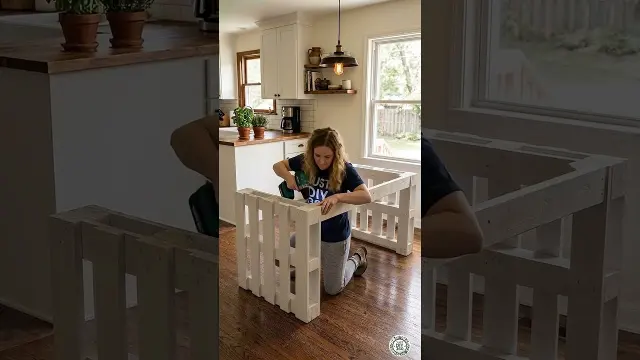
 Simple Wooden Pallet Dining Table DIY
#Sustainable Living
2 ideas
Simple Wooden Pallet Dining Table DIY
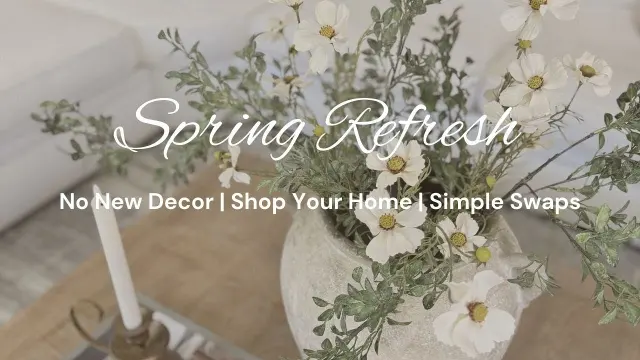 Decorate for Early Spring Using No Spend Decorating Ideas
Get new #Sustainable Living ideas by email
Every Thursday: the week's best ideas, with the newest from #Sustainable Living.
Related tags
Sustainable Living: Practical Ways to Live Better
What sustainable living means
Sustainable living is a way of making everyday choices that use fewer natural resources, create less waste, and support a healthier balance between people and the environment. It is not about doing everything perfectly. It is about noticing how you live, what you use, and what you can change in a steady, realistic way.
The idea comes from the broader concept of sustainability, which means meeting present needs without making it harder for future generations to meet theirs. In daily life, that can include how you shop, eat, clean, travel, decorate, and care for the things you already own.
Common areas of sustainable living
Read more
Many people begin with small changes at home. These often make the biggest difference because they are easy to repeat.
- Reducing waste by reusing, repairing, and recycling when appropriate
- Choosing durable items instead of replacing things too quickly
- Saving water and energy through mindful daily habits
- Planning meals to avoid throwing food away
- Buying less, but choosing well
- Reusing containers, bags, jars, and household materials
- Keeping, mending, or repurposing items before discarding them
Sustainable living also includes the way you think about consumption. A useful question is whether something is truly needed, can be used for a long time, or might already be available in a different form.
Practical habits for beginners
If you are just starting, it helps to focus on one area at a time. Trying to change everything at once can feel overwhelming, so simple routines are often more effective.
- Start by observing what you throw away most often
- Keep reusable bags, bottles, or containers where you will remember them
- Sort out clothes, furniture, or household items that can be repaired or donated
- Use up what you already have before buying replacements
- Choose quality basics that suit your real needs
- Make cleaning and care routines gentler and simpler where possible
In the home, sustainability often overlaps with comfort and order. For example, good storage can help you see what you own, reduce duplicate purchases, and make tidying easier. A calm, well-used home is often more sustainable than one filled with things you do not need.
Styles and approaches
There is no single right way to live sustainably. Some people focus on minimalism and owning fewer things. Others prefer a more traditional home approach, such as mending, preserving, gardening, or making items last longer. You might also care most about low-waste living, energy efficiency, or ethical shopping.
What matters most is consistency. A few thoughtful habits repeated over time are more useful than dramatic changes that do not last.
A gentle way to begin
Sustainable living works best when it fits your real life. Start with one room, one habit, or one kind of purchase. Notice what feels manageable, then build from there. Over time, these small choices can create a home and lifestyle that feel more intentional, less wasteful, and easier to maintain.
#Sustainable Living: frequently asked questions
How do I start living more sustainably without getting overwhelmed?
Begin by paying attention to what you already do — which items you throw away most often, which purchases feel repetitive, and which habits you could shift without much effort. Pick one room or one routine to work on first, since a small change you can repeat is more useful than a dramatic overhaul you abandon. From there, add another habit when the first one feels natural.
What do I actually need to get started with sustainable living?
Very little, and ideally nothing new — most of it comes from using up what you already own and keeping useful things in circulation longer. A few reusable bags, bottles or containers kept somewhere you will actually remember them make a practical starting point. Beyond that, the main requirements are attention and patience rather than special products.
Which approach to sustainable living should I choose?
There is no single right version — minimalism, mending and traditional home skills, low-waste living, energy awareness and thoughtful shopping are all valid entry points. Choose the one that fits how you already live and what you genuinely care about, because that is the approach you will keep up. Consistency matters far more than which style you pick.
How do I care for things so they last longer?
Treat repair as the first option: mend clothing, tighten or refinish furniture, and repurpose items before discarding them. Store things where you can see them, since good storage reduces duplicate purchases and makes it easier to use what you own. Gentler, simpler cleaning routines also help items stay in good condition.
What are the most common mistakes people make when trying sustainable living?
The biggest one is trying to change everything at once, which usually leads to burnout and a return to old habits. Another is buying new "eco" items to replace things that still work perfectly well, which adds consumption rather than reducing it. Aiming for perfection rather than steady progress tends to stall people too — small imperfections do not undo the value of the habits you keep.
Any ideas for decorating sustainably on a budget?
Look at what you already have before buying anything — rearranging, restyling or rehoming existing pieces can refresh a room with no spending at all. Repurposing is another route, such as turning salvaged wood into a simple table or giving old furniture a clean-up and a new purpose. Seasonal decorating with found and natural materials keeps things temporary and low-waste.
Videos come from YouTube and posts from Instagram; titles and summaries are our own. All rights belong to their creators.