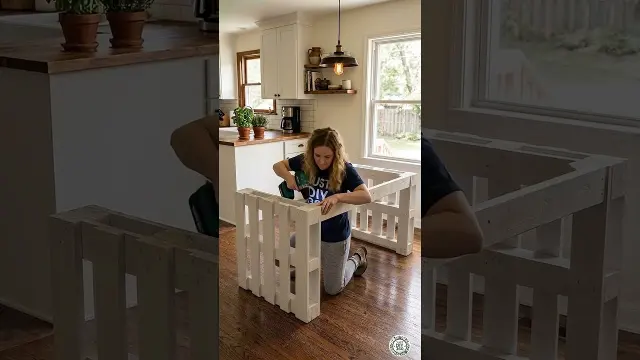
 Simple Wooden Pallet Dining Table DIY
#Wooden Pallets
2 ideas
Simple Wooden Pallet Dining Table DIY
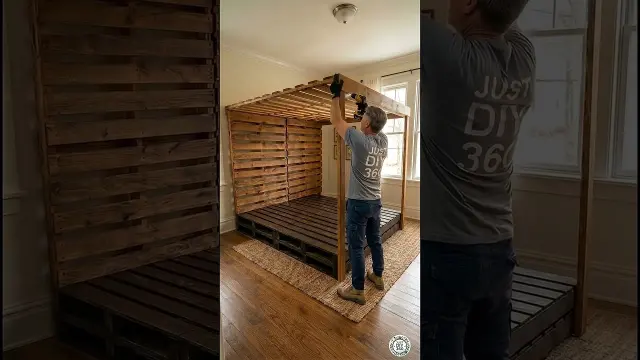 Luxury Bed Build Using Wooden Pallets
Get new #Wooden Pallets ideas by email
Every Thursday: the week's best ideas, with the newest from #Wooden Pallets.
Related tags
Wooden Pallets: Uses, Ideas and Basics
Wooden pallets are simple flat platforms made from timber and used to support, store and move goods. They are part of everyday logistics, but they have also become familiar in homes, gardens and craft projects because they are sturdy, easy to find and adaptable. If you are planning to reuse them, it helps to understand what they are made for, how to choose them and how to work with them safely.
What wooden pallets are
A wooden pallet is a base structure designed to let goods be lifted, stacked and transported more easily. Its shape usually includes a top deck, supporting blocks or stringers, and openings for lifting equipment. Because pallets are built for practical handling, they are often strong enough to be reused for furniture, storage and other creative projects.
Pallets can vary in size, wood quality and construction. Some are rough and heavy, while others are more uniform. For home use, the best choice is usually a pallet that is clean, dry and structurally sound.
Read more
Common uses and styles
In their original role, pallets are used in shipping, warehousing and storage. At home, they are often turned into shelves, planter boxes, coffee tables, benches, bed bases and wall features. Their simple shape makes them useful for projects that need a rustic, industrial or casual look.
You may also come across different pallet styles. Some are designed to be stacked and moved by forklifts. Others are built more lightly for one-way transport. The construction can affect how easy they are to dismantle and reuse. If you want a smoother finish, choose pallets with fewer splits, nails and rough edges.
What to look for before reusing one
Not every pallet is suitable for home projects. Start by checking that the wood is not rotten, badly cracked or contaminated. Avoid pallets that smell of chemicals, oil or mould. If the pallet will be used indoors, clean it carefully and let it dry fully before sanding or finishing.
It is also wise to look for stamps or markings that may indicate how the pallet was treated for transport. If you are unsure about its history, use caution, especially for anything that may come into close contact with children, food or bedding. When in doubt, choose pallets with a clear and clean appearance.
Working with pallets safely
Pallet wood can be rough, so gloves and eye protection are helpful. Remove protruding nails slowly and inspect each board before cutting or sanding. Always check for splinters, loose joints and hidden fasteners. A stable work surface makes the job easier and safer.
If you are building furniture, plan for the pallet’s weight and strength. Pallet projects often look simple, but they still need proper support, level placement and secure fixing. Sanding and sealing the wood can improve comfort, appearance and durability.
Practical tips for beginners
Begin with a small project so you can learn how the wood behaves. A side table, planter or simple storage piece is often easier than a large bed or sofa base. Measure carefully, dry-fit the pieces first and keep the design straightforward.
You can also combine pallets with other materials such as cushions, glass, metal brackets or paint finishes to soften the look. Whether you keep the natural wood tone or decorate it, the appeal of pallets lies in their versatility, texture and honest, functional character.
#Wooden Pallets: frequently asked questions
How do I get started with a first wooden pallet project?
Pick one small, forgiving project such as a side table, a planter box or a simple shelf, so you can learn how the timber behaves before committing to something large. Measure twice, lay the pieces out dry before fixing anything, and keep the design straightforward. Starting simple means mistakes cost you a little sanding rather than a whole build.
What should I check before bringing a pallet home?
Look for clean, dry wood with no rot, deep splits, mould or lingering smells of oil and chemicals, and give the boards a firm press to make sure the joints still hold. Check for stamps or markings that hint at how the pallet was treated, and be extra careful with anything that will sit near food, bedding or small children. If its history is unclear, leave it and find one you can trust.
Which kind of pallet is best for furniture?
Favour pallets with a uniform, tidy construction and fewer splits, nails and rough edges, since they dismantle more easily and sand down to a smoother finish. Light, one-way transport pallets can be handy for smaller pieces, while heavy block-built ones suit anything that has to carry real weight. Above all, choose one that is structurally sound rather than merely good-looking.
How do I take a pallet apart without damaging the wood?
Work slowly and pull protruding nails rather than hammering through the boards, then inspect every piece for hidden fasteners, splinters and loose joints before you cut or sand. Gloves and eye protection are worth wearing throughout, and a stable surface makes the whole job easier and safer. Patience here is what saves you from cracked boards and ruined edges.
How should I care for pallet furniture once it's built?
Sanding and sealing the wood makes a real difference to comfort, appearance and how long the piece lasts, and it keeps rough fibres from catching on hands and clothes. Keep the piece level and well supported, and re-check fixings now and then, since pallet builds rely on solid joints rather than thick timber. If it lives outdoors, plan on refreshing the finish as the weather wears it down.
What mistakes do beginners usually make with pallet projects?
The common slips are taking on a large build too soon, skipping the inspection of the wood, and underestimating weight and support needs. Another frequent one is fixing everything before checking the fit, which leaves no room to adjust. Softening the raw look with cushions, glass tops, brackets or paint also helps a piece feel like furniture rather than a stack of boards.
Videos come from YouTube and posts from Instagram; titles and summaries are our own. All rights belong to their creators.