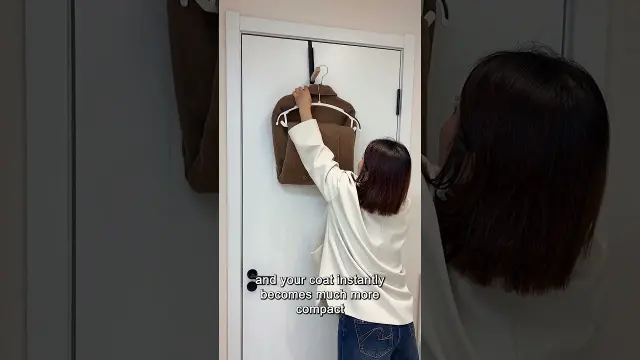
 Folding and Organizing Clothes for a Tidier Closet
#Drawer Organization
5 ideas
Folding and Organizing Clothes for a Tidier Closet
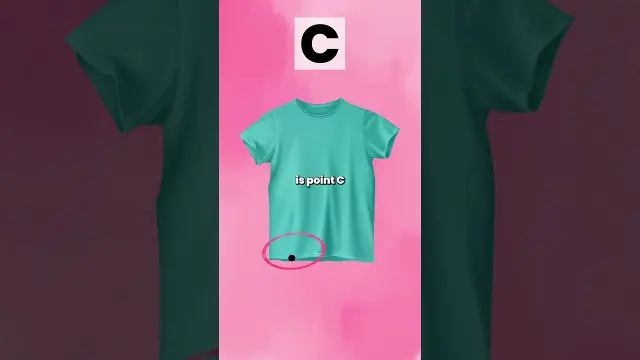 The ABC Method for Folding T-Shirts Neatly
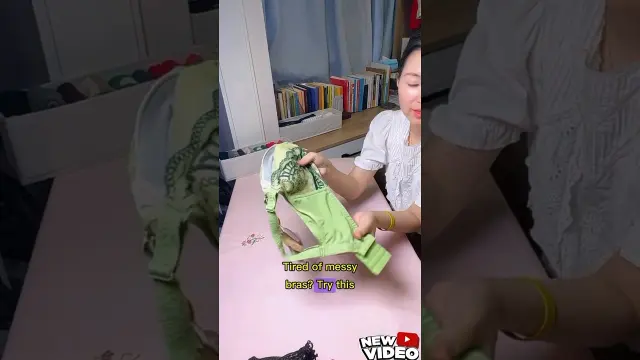 Bra Folding Hack for Neater Drawer Storage
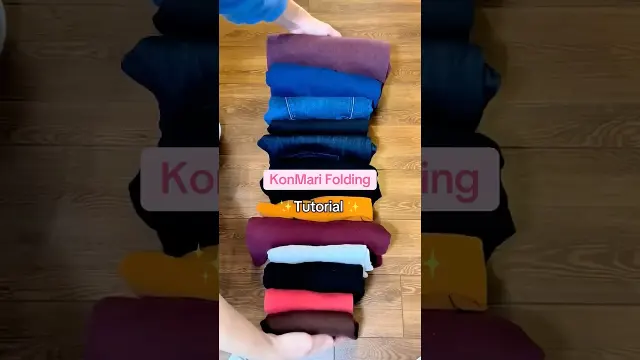 KonMari Folding Tutorial for Different Clothing Items
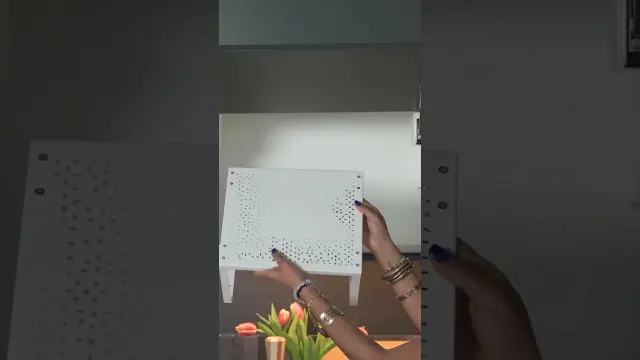 IKEA UPPDATERA storage box for small drawer organisation
Get new #Drawer Organization ideas by email
Every Thursday: the week's best ideas, with the newest from #Drawer Organization.
Related tags
Drawer Organization: A Simple Guide to Calmer Drawers
A drawer is a small, closed space, which is exactly why it fills up without anyone noticing. Drawer organization is the practice of giving that space a shape: deciding what belongs in it, dividing it so each thing has a place, and storing items so you can find them without rummaging. It sounds modest, and it is — but a well-ordered drawer saves you a surprising amount of daily friction.
Why drawers turn into a mess
Most drawers fail for one of two reasons. Either they hold too much, because things are put away without anything ever leaving, or they hold too many different kinds of things, because there is no rule about what belongs there. A drawer with no internal structure becomes a single deep pile, and the items at the bottom are effectively lost.
Begin with the empty drawer
Read more
Take everything out. Clean the inside, dry it fully, and look at what you have. Sort into three rough groups: things you use often, things you use rarely, and things you do not need. Be honest about the third group — duplicates, dried-out pens, odd single socks, kitchen gadgets that never worked well. Only the first two groups go back in, and the rarely used ones can live higher up or elsewhere.
Think in zones, not piles
Before buying anything, decide the layout. Place the things you reach for most where your hand naturally lands, usually the front and the middle. Consider the whole drawer as a grid: front, middle, back. Group related items together so that one zone holds one category, and leave a little empty space — a drawer packed to the edges cannot stay tidy.
Store things upright where you can
Standing items on edge instead of stacking them flat makes everything visible at a glance. This works for folded clothes, food packaging, cutting boards, and paperwork alike. If you can see the top edge of each thing, you can pull out one item without disturbing the rest.
Dividers and containers
Drawer dividers, small trays and shallow boxes are the tools of the trade, and they do not need to be expensive or purpose-made. What matters is that the compartments match your items rather than the other way round: measure the drawer first, then look for boxes that fit, or use what you already have. Adjustable dividers are forgiving if you are unsure of your layout.
A few drawers, briefly
In the kitchen, separate tools by task and keep the workspace drawer for the items you use while cooking. In a wardrobe, fold clothes so they stand in rows, and give small items like underwear and socks their own compartment. In the bathroom, keep categories apart and wipe the drawer out regularly. On a desk, keep only what you use while sitting there.
Keeping it that way
A system only lasts if returning something to its place takes a second. Put things back at the end of the day rather than the end of the month, and once in a while empty one drawer completely and start again. Beginners often try to fix every drawer at once; a single drawer done properly teaches you what your own habits actually need.
#Drawer Organization: frequently asked questions
How do I start organizing a messy drawer?
Start by emptying it completely and cleaning the inside so you can see what you are working with. Then sort everything into what you use often, what you use sometimes, and what does not belong there, so you can return only the useful items in a more intentional way.
What do I need to organize a drawer effectively?
You usually need only simple tools such as dividers, shallow trays, or small boxes that fit the space. The most important part is choosing containers that match the items you want to store, rather than forcing everything into one big pile.
Should I fold clothes flat or store them upright in drawers?
Storing items upright usually works better because it lets you see what you have at a glance and take one piece without disturbing the rest. This method is especially helpful for folded clothes, underwear, socks, and other small items that tend to get buried.
How do I choose the right drawer organizer for small items?
Look at the shape and size of the items first, then pick compartments that keep similar things together without wasting space. Adjustable dividers are a good choice if you are not sure about the final layout, because they can adapt as your needs change.
What are the most common mistakes in drawer organization?
A common mistake is putting too much back into the drawer, which turns it into a single crowded pile again. Another is mixing unrelated items together, so the drawer has no clear categories and becomes hard to maintain.
Videos come from YouTube and posts from Instagram; titles and summaries are our own. All rights belong to their creators.