 How to Get a Drone Pilot License in Europe Under EASA
#Drone License
16 ideas
How to Get a Drone Pilot License in Europe Under EASA
 Pass the FAA Part 107 Drone License Exam With Practice Questions
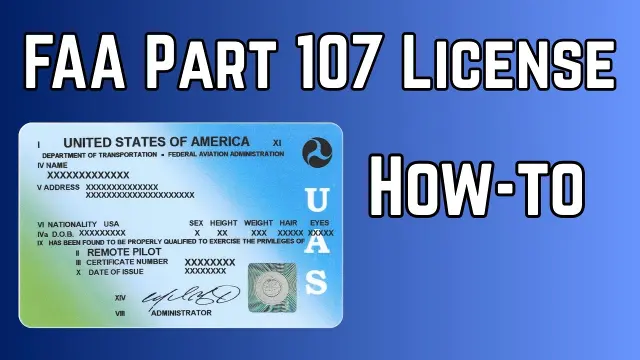 Step-by-Step Guide on How to Get Your FAA Part 107 Drone License
 Beginner Guide to Getting the EU A1/A3 Drone License
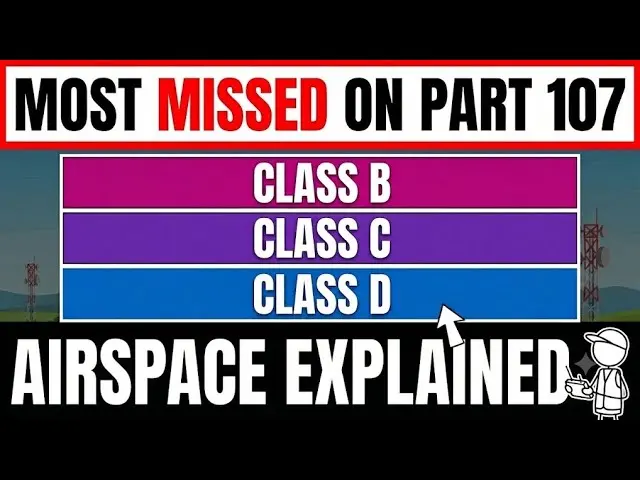 FAA Part 107 Airspace Classes Explained for the Exam
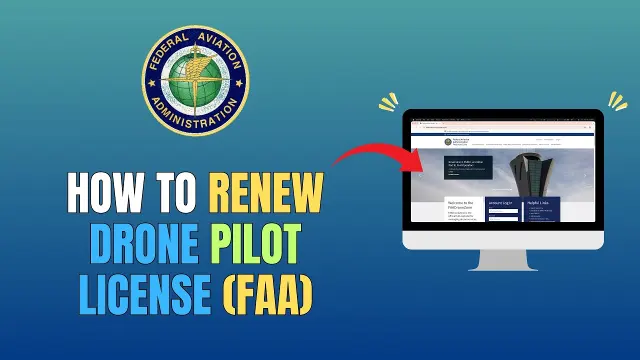 How to Renew Your FAA Drone Pilot License Step by Step
 How to Get Your Dubai Drone License and DCAA Registration
 How to Get Your FAA Part 107 License to Fly Commercially
 FAA Part 107 Drone License Airspace and Weather Study Guide
 Eight Steps to Getting Your Commercial Drone License
 Do You Need a Drone License in Canada? Regulations Explained
 Complete FAA Part 107 Drone Certification Exam Study Guide
 Why You Need a Part 107 License for Commercial Drone Work
 FAA Part 107 Drone Practice Test Questions and Explanations
 Five Essential Things to Know Before Getting a Drone License
 FAA Part 107 Drone Certification Scenario Based Questions
Get new #Drone License ideas by email
Every Thursday: the week's best ideas, with the newest from #Drone License.
Related tags
Drone License Guide for Beginners
A drone license is a common way of referring to the certification or permit needed to fly a drone for certain kinds of use. In many places, the rules depend on how you fly, where you fly, and whether the flight is recreational or commercial. For beginners, the most important thing to know is that drone laws are not the same everywhere, so you should always check the rules that apply where you live and fly.
In the United States, people often mean the FAA Remote Pilot Certificate when they talk about a drone license. That certificate is usually needed for commercial drone operations. Recreational flyers may have different requirements, such as following safety guidelines and registering certain drones. In other countries, the system may use different names, age limits, tests, or registration steps. No matter where you are, the goal is the same: to make drone flying safer for people, property, and airspace users.
What a drone license usually covers
A drone certification process often includes:
- Basic airspace rules
- Weather awareness
- Reading maps or charts
- Safe flight operations
- Emergency procedures
- Knowing when you may need permission to fly
Read more
If you plan to use a drone for work, such as photography, inspections, mapping, or other paid services, you may need a commercial license or certification. If you only fly for fun, you may still need to register your drone or follow special operating rules.
Main types of drone flying
Drone flying is usually grouped into a few broad categories:
- Recreational flying: personal use, hobbies, and practice
- Commercial flying: work-related flights or flights connected to business activity
- Specialized operations: flights that may need extra approval, such as flying at night, near people, or in restricted areas
The exact categories vary by country, but the idea is consistent. The more complex or risky the flight, the more likely it is that extra rules apply.
What beginners should know
Before you start studying for a drone license, it helps to learn the basics of the drone itself. Understand how your controller works, how to read battery levels, how to return home safely, and how wind affects small aircraft. Also learn the local airspace rules, since airports, helipads, military areas, and some public spaces may have restrictions.
It is also wise to practice in an open area with no obstacles and little wind. Start with short flights, keep the drone in sight, and build confidence slowly. Good habits early on make certification and real-world flying much easier.
Practical tips for preparing
- Read the official rules for your country or region
- Learn common aviation terms, especially airspace and weather words
- Practice safe takeoff, landing, and emergency stop procedures
- Keep batteries charged and stored properly
- Inspect propellers, frame, and firmware before each flight
- Avoid flying when you are tired, rushed, or distracted
A drone license is not only about passing a test. It is also about showing that you understand how to fly responsibly. With a little study and regular practice, you can build the skills needed to fly with more confidence and care.
Videos come from YouTube and posts from Instagram; titles and summaries are our own. All rights belong to their creators.