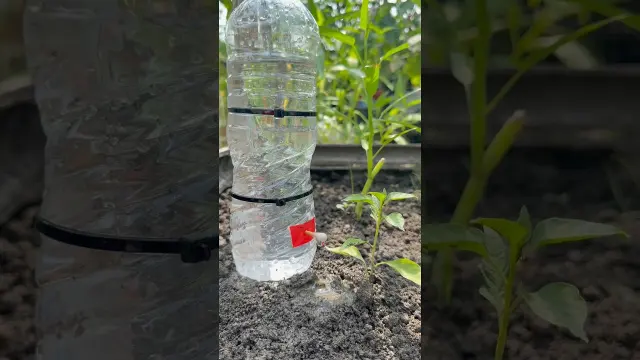
 Turn Waste Bottles Into a Simple Dry Season Drip System
#Dry Season
1 ideas
Turn Waste Bottles Into a Simple Dry Season Drip System
Get new #Dry Season ideas by email
Every Thursday: the week's best ideas, with the newest from #Dry Season.
Related tags
Dry Season Basics: Water Wisely, Garden Better
In much of the tropical and subtropical world, the year falls into two long halves: a wet one and a dry one. The dry season is the predictable stretch of months when the rain-bearing winds shift away and rainfall becomes scarce or stops altogether. It is a normal feature of a climate rather than an emergency — a drought is an unusually severe shortage, while the dry season arrives on the same rhythm year after year, and everything that lives through it has adapted to expect it.
What the dry season does to the land
The first signs are in the soil. Moisture evaporates from the surface, the ground hardens, and water that does fall runs off instead of soaking in. Plants slow their growth and many take a form of rest: trees in drier regions shed their leaves, grasses brown off, and perennials die back to their roots. In many cases that brown lawn is dormant, not dead — it will green again after the first rains. The air also turns dusty, and the gap between day and night temperatures widens.
Store water, then deliver it slowly
Read more
The simplest reliable strategy for the dry season is to catch water when you can and use it sparingly. Roofs gather a surprising amount from any shower, and a barrel or tank under a downpipe is the least complicated place to begin. For watering, gentleness beats volume: water deep, less often, and at the base of the plant rather than over the leaves, so the moisture reaches the roots instead of evaporating on the way. Watering early in the morning or late in the afternoon loses less to the sun. Slow delivery systems — a punctured bottle sunk beside a plant, a length of pipe, a homemade drip line fed from a container — let water soak in gradually and are easy to build from things already in the house.
Mulch, shade and shelter
Bare soil bakes. A layer of mulch over the surface keeps the soil cooler, slows evaporation and eventually breaks down into organic matter, so it earns its keep twice. Shade helps as well: a cloth screen, a taller companion plant or a wall on the sunny side all reduce how much water a plant loses.
Choosing what to grow
Grow what suits the season rather than fighting it. Hardy grains, quick leafy greens, okra, herbs from dry climates and sturdy perennials manage with little. Plant as the rains begin where possible, keep seedlings in shade while they establish, and group pots together indoors or on a sheltered balcony — clustered plants shade one another and hold humidity between them.
Around the home
- Cover stored water so insects cannot breed in it.
- Sweep paths instead of hosing them.
- Reuse washing water on mature plants and trees.
- Clear dry vegetation near the house, since dry ground carries fire easily.
- Check the roof for leaks before the rains return.
A rhythm, not a crisis
The dry season is best met with a little preparation rather than alarm. Learn to read the signs of your own patch — when the soil starts to harden, when the leaves drop — and each year you will handle it with a little more ease, until the first rain comes and the whole place wakes up again.
#Dry Season: frequently asked questions
How should I begin preparing for the dry season?
Start by watching your own patch: notice when the soil begins to harden and when plants start to shed leaves, since those signs tell you the dry stretch has arrived. Before that point, sort out where you will collect and store water and put a protective layer over bare soil. Preparing gradually through the preceding weeks is far easier than reacting once everything is already parched.
What do I actually need to get through a dry season?
The basics are a way to catch rainwater, something to hold it, and a covering for the soil. A container under a downpipe, a simple slow-delivery setup such as a sunken punctured bottle or a homemade drip line, and a supply of mulch will cover most of what a household garden needs. Shade — a cloth screen, a wall, or a taller companion plant — is the other useful piece.
Which plants are the best choice for a dry season?
Choose crops and plants that match the season instead of struggling against it: hardy grains, fast leafy greens, okra, dry-climate herbs and tough perennials all cope with little water. Where you can, time planting to the arrival of the rains, and keep young seedlings shaded while they settle in. Grouping pots together also helps, because clustered plants shade each other and keep the air around them more humid.
How should I water plants when rain is scarce?
Water thoroughly but less frequently, directing it at the base of the plant rather than over the foliage so it reaches the roots instead of evaporating. Early morning or late afternoon is the best time, when the sun takes least from what you apply. Slow delivery — a buried bottle, a length of pipe, a drip line fed from a container — lets moisture soak in gradually rather than running off hard ground.
My lawn has turned brown — is it dead?
Usually not. In dry conditions many grasses and perennials simply go dormant, dying back to their roots or losing their leaves as a way of resting, and they green up again once the rains return. Before replacing anything, check whether the ground beneath is still alive; covering the soil with mulch and easing off on watering is often all that is needed until the season turns.
What mistakes do people commonly make during the dry season?
The frequent ones are watering shallowly and often, spraying leaves instead of soaking the roots, and leaving soil bare so it bakes in the sun. Another is storing water uncovered, which lets insects breed in it, or hosing down paths when a broom would do. It also pays to clear dry vegetation close to the house and to check the roof for leaks before the rains come back.
Videos come from YouTube and posts from Instagram; titles and summaries are our own. All rights belong to their creators.