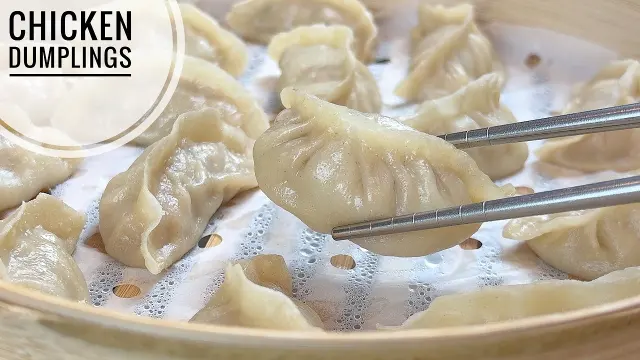
 Steamed Chicken Dumpling Recipe Made From Scratch, Wrappers Included
#Dumplings
2 ideas
Steamed Chicken Dumpling Recipe Made From Scratch, Wrappers Included
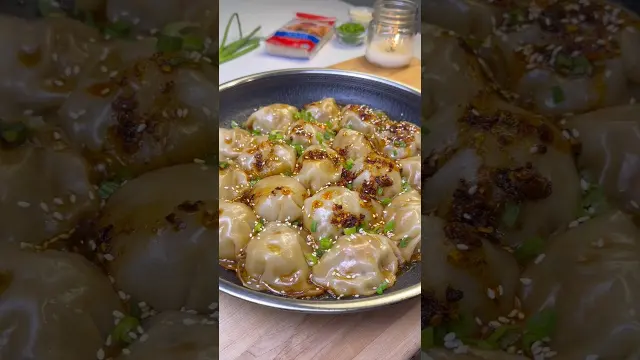 Quick Homemade Pork and Chive Blanket Dumplings
Get new #Dumplings ideas by email
Every Thursday: the week's best ideas, with the newest from #Dumplings.
Related tags
Dumplings: A Guide to Folding, Filling and Cooking
A dumpling is a simple idea that has travelled almost everywhere. Take a piece of dough, wrap it around something savoury or sweet, and cook it. That basic shape appears in dozens of cuisines, each with its own dough, its own filling and its own name, and that is exactly why the subject is so large: there is no single dumpling, only a family of them.
Where they come from
Wrapped and stuffed foods are old and widely shared, so no one kitchen can claim the idea. Wheat dough parcels appear across Central and East Asia, Eastern Europe and the Caucasus; rice-flour versions belong to southern China and Southeast Asia; potato-based ones to northern Europe. Trade, migration and ordinary household cooking carried them from place to place, and families adapted them to whatever grain and filling was at hand. Many are tied to particular occasions — a holiday, a harvest, a family gathering — which is part of why recipes get defended so fiercely.
Dough and fillings
Read more
Dumpling dough usually starts from wheat flour and water, sometimes with egg, sometimes with a little oil. The variables are how much water you use and how long you rest it: a firm, stiff dough rolls thin and holds pleats, a softer one gives a tender, slightly chewy skin. Rice-flour doughs behave differently, since they have no gluten to stretch, and are usually worked with hot water to make them pliable.
Fillings are forgiving. Pork with cabbage or chive, beef with onion, chicken with mushroom, prawn, egg and glass noodle, pumpkin, potato and cheese, lentil, spinach and feta, or fruit for a sweet version. The one rule cooks agree on is moisture: watery fillings tear the wrapper and steam the filling instead of letting it become juicy. Salt vegetables and squeeze them dry, and add liquid or fat deliberately rather than by accident.
Shapes and methods
Pleating is the satisfying part and the least important. A half-moon pressed with a fork cooks just as well as a hand-crimped crescent. What matters is a clean seal and no trapped air, which can burst the wrapper. Regional shapes range from the plump pouch of a Georgian khinkali to the small twisted parcel of a Korean mandu, the thin square of an Italian ravioli and the half-moon of a Polish pierogi.
Cooking falls into four groups: boiled, steamed, pan-fried and deep-fried. Boiling suits robust skins; steaming is gentlest on delicate fillings; pan-frying gives a crisp base when you add a splash of water and cover the pan; deep-frying is for small, sturdy parcels. Frozen dumplings cook well without thawing — just add a minute or two.
Getting started
Weigh your ingredients the first few times rather than guessing, and make a small test dumpling before you commit to the whole batch: taste the filling and check that the dough stretches without tearing. Keep the dough covered while you work, flour the surface lightly, and freeze any extras on a tray before bagging them so they don't clump. Above all, expect the first few to look uneven. They still taste good, and pleats come with practice.
#Dumplings: frequently asked questions
How do I start making dumplings for the first time?
Begin with a simple wheat-flour dough and one filling you already like, and weigh your ingredients rather than guessing for the first few batches. Make a single test dumpling before committing to the whole batch so you can taste the filling and check the dough stretches without tearing. Expect the early ones to look uneven — they still taste fine, and pleating improves with practice.
What do I need to make dumplings at home?
At the most basic level, flour and water for the dough, plus a filling of your choice, and a clean surface to work on. A rolling pin helps but hands will do, and a fork is enough to press a half-moon shut if you don't want to pleat. Keep the dough covered as you work and flour the surface lightly so the wrappers don't stick.
Which kind of dumpling should I choose to make?
It depends on the texture you want: a firm, stiff wheat dough rolls thin and holds pleats, while a softer one gives a tender, slightly chewy skin. Rice-flour doughs have no gluten, so they need hot water and behave more delicately, and they suit fillings that don't need long cooking. Pick a shape you can seal cleanly rather than an impressive one — a fork-pressed crescent cooks just as well as a hand-crimped one.
How should I cook and store dumplings?
Boiling suits robust skins, steaming is gentlest on delicate fillings, and pan-frying gives a crisp base when you add a splash of water and cover the pan. Deep-frying is best kept for small, sturdy parcels. Freeze any extras on a tray before bagging them so they don't clump, and cook them straight from frozen without thawing, allowing a little extra time.
What are the most common mistakes when making dumplings?
The biggest one is a watery filling, which tears the wrapper and steams the inside instead of letting it turn juicy — salt vegetables and squeeze them dry first. Trapped air is the next culprit, since it bursts the wrapper during cooking, so press it out before sealing. Over-handling the dough and leaving it uncovered while you work also make the wrappers dry and hard to seal.
What dumplings work well for a gathering or celebration?
Because wrapped and stuffed foods appear in so many kitchens, they fit almost any occasion, from a holiday table to a casual family meal. A plump pouch-style dumpling makes a generous centrepiece, while small twisted parcels or thin squares suit a spread of several dishes. Making them together is part of the appeal — set out the dough and fillings and let everyone fold their own.
Videos come from YouTube and posts from Instagram; titles and summaries are our own. All rights belong to their creators.