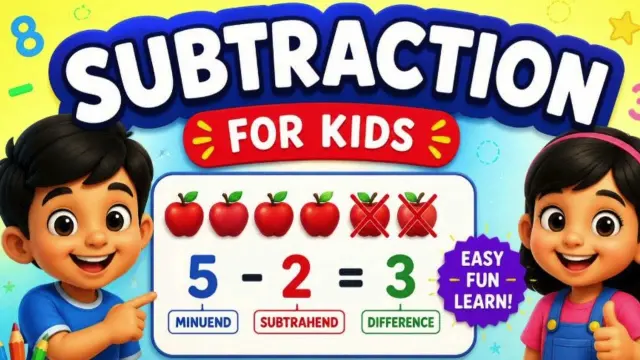
 Quick and Easy Subtraction Lesson for Beginners
#Easy Learning
1 ideas
Quick and Easy Subtraction Lesson for Beginners
Get new #Easy Learning ideas by email
Every Thursday: the week's best ideas, with the newest from #Easy Learning.
Related tags
Easy Learning: Simple Ways to Learn Well
What easy learning means
Easy learning is the idea of making study feel more natural, less overwhelming, and easier to repeat. It does not mean skipping effort or avoiding challenge. It means breaking new ideas into small, clear steps so you can understand them without getting stuck for too long.
People learn best in different ways, but most beginners benefit from the same simple principles: clear goals, short practice sessions, enough repetition, and a calm pace. When learning feels easier, you are more likely to keep going, and that is often what leads to real progress.
How people learn more easily
Read more
Learning usually becomes easier when new information is connected to something familiar. If you can link a new idea to a word, picture, example, or routine you already know, it tends to stay in your memory better. Repeating information over time also helps more than trying to absorb everything at once.
A few basics make a big difference:
- Start with one small topic at a time.
- Use simple examples before moving to harder ones.
- Review regularly instead of cramming.
- Say or write things in your own words.
- Practice little and often rather than only once in a while.
It also helps to notice how you learn best. Some people remember by reading, others by listening, writing, drawing, or doing. Most people use a mix of methods, and that is perfectly normal.
Common ways to make learning easier
There are many gentle ways to support learning, especially if you are teaching yourself something new or helping a child begin.
- Use short lessons and keep them focused.
- Break a big task into smaller parts.
- Keep instructions simple and clear.
- Show examples before asking for practice.
- Repeat key ideas in different ways.
- Pause often to check understanding.
If you are learning at home, a quiet space and a regular routine can help. If you are teaching someone else, patience matters as much as explanation. A calm, encouraging tone makes it easier to try again after mistakes.
What beginners should keep in mind
Beginners often think they need to understand everything straight away, but learning usually happens in stages. It is normal to feel unsure at first. Mistakes are part of the process, because they show you what needs more practice.
Try to focus on progress, not perfection. A little learning every day is often more useful than a long session that leaves you tired or frustrated. If something feels too hard, simplify it. If it feels too easy, add one small challenge. The right level is the one that keeps you engaged.
Practical tips for steady progress
A few simple habits can make learning feel smoother:
- Set one clear goal before you begin.
- Learn in short sessions with breaks.
- Review what you learned at the end.
- Use notes, diagrams, or flashcards if they help.
- Ask yourself what you already understand.
- Return to difficult points later instead of forcing them.
Easy learning is really about making knowledge approachable. When you keep things clear, patient, and consistent, learning becomes less stressful and much more sustainable.
Videos come from YouTube and posts from Instagram; titles and summaries are our own. All rights belong to their creators.