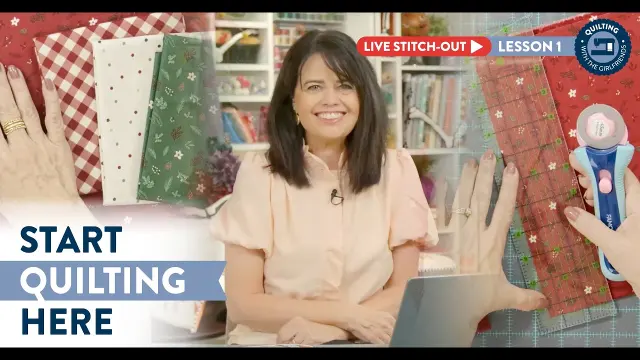
 Introduction to Essential Fabric Cutting Skills for Quilters
#Fabric Cutting
1 ideas
Introduction to Essential Fabric Cutting Skills for Quilters
Get new #Fabric Cutting ideas by email
Every Thursday: the week's best ideas, with the newest from #Fabric Cutting.
Related tags
Fabric Cutting Basics and Techniques
Fabric cutting is one of the most important skills in sewing, quilting, dressmaking, and many fabric crafts. It is the process of shaping fabric into pieces that can later be stitched, layered, or assembled. Good cutting helps your finished project fit better, lie flatter, and look more polished. It also saves fabric, time, and frustration.
What fabric cutting means
At its simplest, fabric cutting means marking and separating cloth into the shapes you need. But because fabric is flexible, stretchy, and often woven with a clear grain, cutting well takes more than following a line. You also need to understand how the fabric behaves, how it is placed, and what tools will help you cut accurately.
Different projects call for different cutting methods. Some patterns use straight cuts, while others need curves, notches, or repeated small pieces. Quilters often cut precise strips, squares, and triangles. Dressmakers may cut pattern pieces that include seam allowances and shaping. Crafters might cut fabric for appliqué, patches, home décor, or soft furnishings.
Read more
Basic tools and materials
You do not need a large collection of tools to begin, but a few good basics make a big difference.
- Sharp fabric scissors or shears
- A rotary cutter for straight or repeated cuts
- A cutting mat if using a rotary cutter
- A ruler or measuring guide
- Pins, clips, or pattern weights
- Chalk, washable pen, or other temporary marking tool
Keep your cutting tools dedicated to fabric if possible. Dull blades can fray edges and make it harder to cut accurately.
Grain, stretch, and fabric behavior
One of the first things to learn is fabric grain. Woven fabric has threads running lengthwise and crosswise, and these affect how the cloth hangs and stretches. Cutting with the grain usually gives more stable results. Cutting across the grain or on the bias changes the drape and stretch.
Before cutting, take a moment to feel the fabric. Some fabrics slip easily, some fray quickly, and some stretch more than expected. Prewashing may be helpful for fabrics that shrink or release dye, especially when the finished piece will be washed later.
How to cut more accurately
Good cutting starts before the blade touches the fabric.
- Smooth the fabric flat, without stretching it
- Align the fabric carefully, especially if the pattern needs to follow the grain
- Check measurements twice before cutting
- Use pattern weights or pins to keep pieces from shifting
- Cut on a stable surface with good lighting
- Use long, smooth strokes with scissors when possible
If you are cutting several identical pieces, stack carefully and make sure the layers do not slip. For very precise work, many people prefer using a rotary cutter and ruler because it can help keep edges clean and straight.
Common cutting techniques
There are several useful ways to cut fabric, depending on the project.
- Straight cutting for strips, borders, and simple shapes
- Pattern cutting for garments and sewn items
- Rotary cutting for fast, accurate straight lines
- Freehand cutting for appliqué and organic shapes
- On-the-bias cutting for pieces that need extra drape
If you are a beginner, start with simple shapes and plain woven fabric. That makes it easier to see whether your cutting is true and even.
Practical tips for beginners
Take your time. Fabric cutting is one of those steps where a little patience pays off throughout the whole project. Keep your tools sharp, your workspace clear, and your measurements consistent. If a piece looks wrong before sewing, it is worth rechecking it. Small cutting mistakes are often easier to fix early than after stitching begins.
With practice, you will learn how different fabrics move, how to cut more confidently, and how to get cleaner results with less waste.
#Fabric Cutting: frequently asked questions
How do I start cutting fabric if I've never done it before?
Begin with a simple project and a plain woven fabric, since even weave makes it easy to see whether your cuts are straight and true. Smooth the cloth flat without pulling it, align it with the grain, and measure twice before the blade or scissors touch the fabric. Starting simple lets you build confidence and learn how different cloths behave before you attempt curves or slippery materials.
What do I actually need to cut fabric?
A sharp pair of fabric scissors or shears, a ruler or measuring guide, and something to hold the fabric in place such as pins, clips, or pattern weights will cover most projects. If you plan to make lots of straight or repeated cuts, add a rotary cutter and a cutting mat, plus a temporary marker like chalk or a washable pen. Keep these tools for fabric only, because dull or nicked blades fray edges and make accurate cutting much harder.
Which cutting method should I choose for my project?
Match the method to the shape: straight cutting suits strips, borders, and simple shapes, while pattern cutting is what garments and sewn items usually need. Rotary cutting with a ruler is fast and accurate for long straight lines, freehand cutting works for appliqué and organic shapes, and cutting on the bias gives pieces extra drape. When in doubt, choose the method that keeps the fabric flattest and lets you follow the grain.
Why do my cut pieces come out uneven or the wrong size?
The usual culprits are fabric that shifted while you cut, a stretched or distorted layout, and measurements checked only once. Anchor the cloth with weights or pins, work on a stable surface with good light, and use long smooth strokes rather than short choppy ones. If several identical pieces are needed, stack and cut them carefully so the layers don't slide apart.
How do I keep my cutting tools in good condition?
Reserve your scissors, shears, and rotary blades for fabric and avoid paper, which dulls edges quickly. Sharpen or replace blades when cuts start dragging or edges look frayed rather than clean, and store tools so the cutting edge isn't knocked against anything else. A tidy, uncluttered workspace protects both your tools and the accuracy of your cuts.
Does the direction I cut in really matter?
It does, because woven fabric has lengthwise and crosswise threads that control how a piece hangs and stretches. Cutting with the grain gives more stable, predictable results, while cutting across the grain or on the bias changes the drape and adds stretch. For fabrics that shrink or release dye, washing and drying the cloth before cutting helps avoid surprises later.
Videos come from YouTube and posts from Instagram; titles and summaries are our own. All rights belong to their creators.