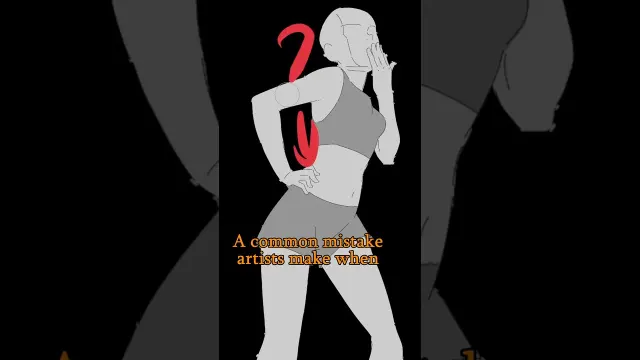
 A common body drawing mistake and how to fix it
#Figure Drawing
6 ideas
A common body drawing mistake and how to fix it
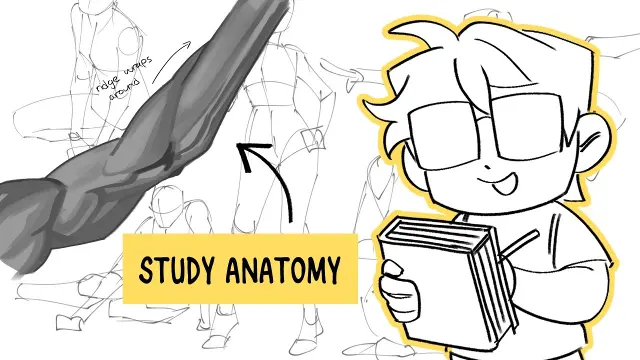 Four Different Methods to Study and Practice Anatomy
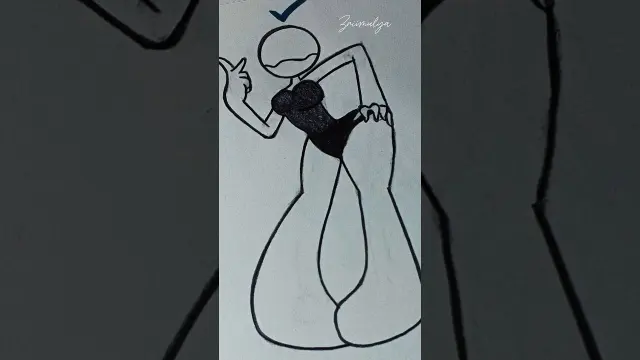 Female body pose construction drawing guide
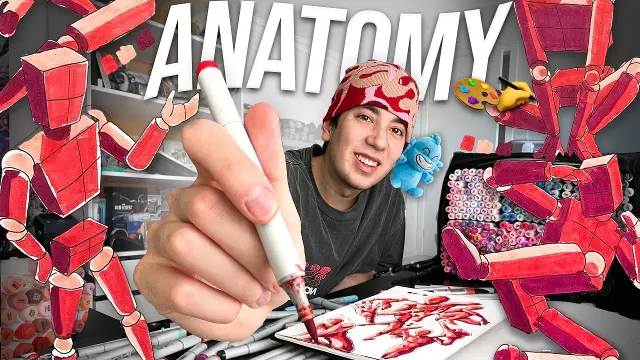 An Easy-to-Understand Guide to Learning Anatomy
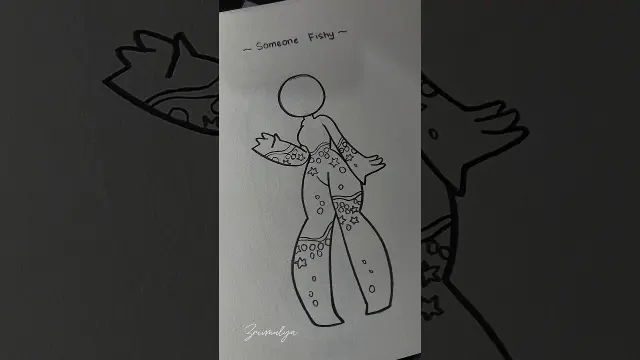 Step by step female body pose drawing tutorial
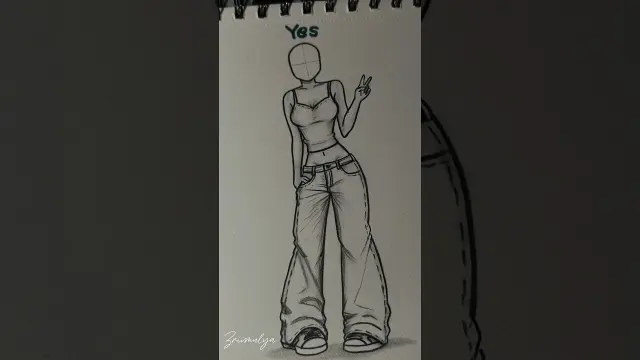 Simple stickman to posed female body drawing tutorial
Get new #Figure Drawing ideas by email
Every Thursday: the week's best ideas, with the newest from #Figure Drawing.
Related tags
Figure Drawing Basics and Practice
Figure drawing is the study and drawing of the human body in a way that captures its structure, movement, and expression. It is one of the most important foundations in drawing because the figure appears in portraiture, illustration, comics, fashion sketches, and many other kinds of art. At its core, figure drawing teaches you to see the body as a series of simple shapes, lines, and proportions before you add detail.
What figure drawing means
When you draw the figure, you are not only copying what you see. You are learning how the body is put together, how weight is carried, and how posture changes the overall shape. A good figure drawing can be quick and loose or highly finished. Both approaches matter. One helps you understand gesture and movement, while the other helps you study anatomy, proportion, and form.
Artists often begin with gesture drawing, which focuses on the main flow of the pose. This helps you capture energy and rhythm before getting caught up in details. From there, you can build the body using basic forms such as ovals, cylinders, boxes, and simple lines for limbs.
Read more
Main approaches to practice
There are a few common ways to study the figure:
- Gesture drawing, to capture movement and the overall pose
- Construction drawing, to build the body from simple shapes
- Proportion studies, to understand how body parts relate in size and placement
- Anatomy study, to learn the muscles and bone structure that shape the surface
- Long pose drawing, to observe details, balance, and subtle form changes
Each method teaches something different. If you are a beginner, it helps to practice more than one. A quick sketch can improve your sense of movement, while a longer study can deepen your understanding of structure.
What beginners should know
Start with simple poses and clear silhouettes. It is easier to understand the body when the arms and legs are separated from the torso and the pose is easy to read. Try not to outline every feature right away. Instead, look for the line of action, the tilt of the shoulders and hips, and the balance of the pose.
You do not need to memorize every muscle to begin. Basic anatomy knowledge is useful, but the most important skill is careful observation. Notice where the body narrows, where it curves, and where forms overlap. Hands, feet, and the head can be challenging, so it is normal to study them separately.
Practical tips
- Draw the whole figure lightly before adding detail
- Compare lengths and angles rather than guessing
- Check the relationship between the torso, pelvis, and limbs
- Keep practicing with different poses, standing and seated
- Use reference when needed, and study real people whenever possible
- Focus on understanding, not perfect lines
Figure drawing improves with repetition. The more often you observe the body, the more natural proportions, movement, and structure become. Over time, you will begin to draw figures that feel more confident, balanced, and alive.
#Figure Drawing: frequently asked questions
How do I start learning figure drawing as a beginner?
Begin with simple poses and clear shapes so you can see the main flow of the body before worrying about details. Focus on gesture, the line of action, and the balance between the shoulders, torso, and hips, then build the figure with basic forms.
What do I need for figure drawing practice?
You mainly need something to draw with, something to draw on, and good reference to study from. A mirror, real-life observation, or pose reference can help you compare angles, proportions, and body structure more accurately.
Which figure drawing method should I choose first: gesture, construction, or anatomy study?
If you are new, start with gesture drawing to learn movement and the overall pose, then add construction drawing to understand how the body is built from simple forms. Anatomy study becomes more useful once you are comfortable observing proportion, structure, and how the body changes with posture.
What are the most common figure drawing mistakes?
A common mistake is drawing details too early instead of blocking in the whole figure first. Another is ignoring proportions, overlap, and the relationship between the torso, pelvis, and limbs, which can make the pose feel stiff or unbalanced.
How can I improve my figure drawings over time?
Practice regularly with different poses, including standing and seated ones, so you get used to changing angles and weight shifts. It also helps to compare lengths carefully, use references when needed, and study real people whenever possible.
What kind of figure drawing is best for a fashion sketch or character pose idea?
For fashion sketches or character poses, quick gesture studies and simple construction drawings work especially well because they capture movement and the shape of the body without overworking the details. Once the pose feels clear, you can refine the silhouette, posture, and clothing flow around it.
Videos come from YouTube and posts from Instagram; titles and summaries are our own. All rights belong to their creators.