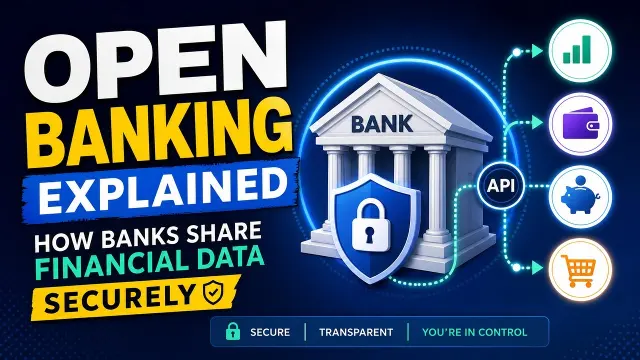
 How Open Banking Enables Secure Financial Data Sharing
#Fintech
2 ideas
How Open Banking Enables Secure Financial Data Sharing
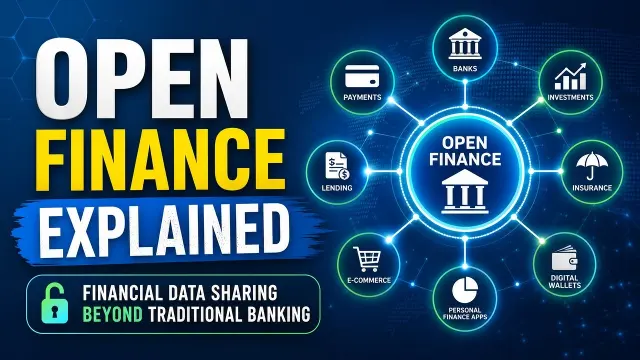 Exploring Open Finance and Advanced Financial Data Sharing
Get new #Fintech ideas by email
Every Thursday: the week's best ideas, with the newest from #Fintech.
Related tags
Fintech: A Guide to Modern Financial Technology
Fintech is short for financial technology. It refers to the tools, services, and systems that use software, data, and digital networks to improve how money is managed, moved, saved, borrowed, and invested. You meet fintech in many places: banking apps, digital wallets, online lending, budgeting tools, payment systems, and platforms that help people and businesses handle finance more efficiently.
What fintech is used for
At its core, fintech makes financial tasks faster, more convenient, and often easier to understand. It can help you:
- send and receive money
- check balances and track spending
- pay bills and shop online
- save or budget more deliberately
- apply for loans or manage credit
- invest and monitor financial accounts
- run business payments and record-keeping
Read more
Fintech is not a single product or one kind of company. It is a broad field that brings technology into financial services, from simple consumer tools to complex systems used by banks and businesses.
Where it comes from
Financial services have always depended on technology, from accounting machines to card payments and online banking. Modern fintech grew as the internet, mobile devices, cloud software, and secure digital identity tools became more common. These developments made it possible to offer financial services in new ways, often outside traditional bank branches.
Main kinds of fintech
Some of the most common types include:
- payments and money transfer services
- digital banking and mobile banking apps
- budgeting and personal finance tools
- lending and credit platforms
- investing and wealth management apps
- insurance technology
- business finance and bookkeeping tools
- open banking and data-sharing services
Open banking and related data-sharing systems let customers connect their financial accounts to approved third-party services, with permission. These tools can help people see their finances in one place or move money and data more smoothly, but they also require careful attention to privacy and security.
What to know before you use it
If you are new to fintech, start with the basics: understand what the service does, what account access it needs, and how it protects your information. A trustworthy service should explain how your data is used and give you control over permissions. Look for clear terms, two-step sign-in if available, and familiar account alerts.
It also helps to remember that fintech tools are only as useful as the habits behind them. A budgeting app can show patterns, but it cannot make decisions for you. A payment app can be convenient, but you still need to check details before sending money.
Practical tips
- Use strong, unique passwords for financial accounts.
- Review permissions before connecting accounts.
- Turn on notifications for transactions when possible.
- Check statements regularly for unfamiliar activity.
- Keep backup access to important accounts in a safe place.
- Be cautious with any service that asks for more information than it needs.
Fintech can make everyday money management more flexible and accessible. When you choose tools carefully and use them thoughtfully, it can support clearer, simpler financial routines.
#Fintech: frequently asked questions
What is fintech, in plain terms?
It is shorthand for financial technology — the software, data and digital networks behind services that help people move, save, borrow and invest money. You meet it in banking apps, digital wallets, payment services and budgeting tools rather than in one specific product or type of company.
What should I know before I start using a fintech service?
Get clear on what the service actually does, which accounts or information it wants access to, and how it says it protects that data. Reading the terms and setting up whatever sign-in safeguards are offered before you connect anything makes the first steps far less uncertain.
How do I choose which kind of fintech tool fits what I need?
Begin with the task you want handled — sending money, tracking spending, budgeting, borrowing, investing, insurance or business bookkeeping — because the field is wide and each type solves a different problem. Then compare how the options handle permissions, alerts and data sharing, since tools that look alike can differ a great deal there.
How should I care for a fintech account once it is up and running?
Switch on transaction notifications where they are offered, look over your statements for anything unfamiliar, and review which outside services still have access to your accounts. Strong passwords you don't reuse, plus a securely kept record of backup access, keep you from being locked out or left exposed.
What mistakes do people commonly make with fintech?
Handing over broad account access without checking what it is for, and expecting an app to make decisions on their behalf, are the usual slips. A tool can surface patterns or speed up a payment, but the judgment and the final check still belong to the person using it.
What is open banking and why does it matter?
It is the arrangement that lets customers link their accounts to approved outside services with explicit permission, so their finances can be seen in one place or data moved more smoothly. It is genuinely convenient, but it shifts the emphasis onto privacy and onto knowing exactly what you have authorised.
Videos come from YouTube and posts from Instagram; titles and summaries are our own. All rights belong to their creators.