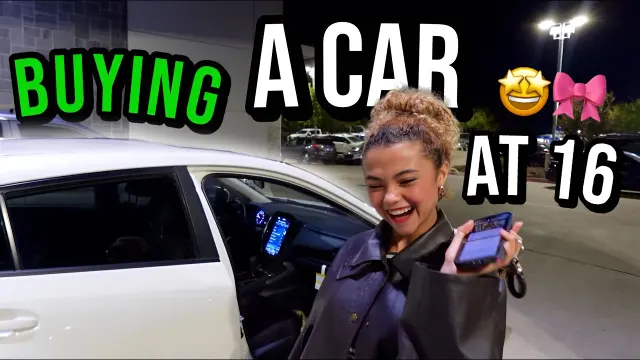
 Teen Documents Her First Solo Drive in a Brand New Car
#First Car
1 ideas
Teen Documents Her First Solo Drive in a Brand New Car
Get new #First Car ideas by email
Every Thursday: the week's best ideas, with the newest from #First Car.
Related tags
First Car: A Practical Guide for New Drivers
A first car is a milestone that rarely feels like one at the time — it usually feels like a mixture of paperwork, nerves and sudden independence. It is the vehicle a person buys, borrows or inherits when they start driving on their own, and it carries a job description unlike any later car's: it has to be forgiving of mistakes, cheap enough to run, and safe enough that the people who worry about you can relax a little.
New or used
The oldest question, and there is no single right answer. A new car brings a warranty, predictable running costs and no unknown history, at the price of a larger outlay and steeper insurance for an inexperienced driver. A used car costs less upfront and softens the sting of a first scratch or kerb scrape, but needs more careful checking and a budget set aside for repairs. Many first-time owners land in the middle: a modest used car with a full service history, bought from someone who can show what has been done to it and when.
What to look at
Read more
- Size and body style. Small hatchbacks are easy to park, cheap to insure and forgiving in tight streets; saloons and estates suit longer journeys; anything much larger than you need costs more in fuel and insurance.
- Safety equipment. Airbags, stability control, anti-lock brakes and sound tyre condition matter more than trim or colour.
- Running costs. Fuel consumption, insurance group, road tax and the price of tyres and servicing all add up over years, not weeks.
- History. A service record, mileage consistency, accident history and the number of previous owners tell you more than a polished exterior.
Buying with care
Take someone experienced with you, and never rush a decision out of politeness. Ask for a test drive on ordinary roads, including a hill and a stretch where you can brake properly. Check that the paperwork matches the car and the seller, and be wary of anyone who discourages questions or wants payment before documents are exchanged. If you are unsure, an independent inspection is money well spent.
The costs beyond the car
New drivers often budget for the purchase and forget the rest: insurance, registration and road tax, fuel, parking, tyres, servicing and the occasional surprise. Setting aside a small amount monthly for maintenance turns a crisis into an errand.
Owning it
Learn the basics — checking oil, coolant, tyre pressure and tread, knowing what the warning lights mean, keeping the windscreen and lights clean. Read the handbook once; it answers most questions later. Drive within your limits, especially in rain, at night and on unfamiliar roads, and remember that the first year of driving teaches more than any lesson did.
A first car does not need to be impressive. It needs to be safe, affordable and yours — and the habits you build in it will outlast it.
#First Car: frequently asked questions
How do I start the process of getting my first car?
Begin by working out what you can realistically afford to run, not just to buy, since insurance, fuel, tax, parking and servicing all take a share. Then decide between new and used, look at cars that suit the driving you actually do, and never buy on the first viewing. Bringing an experienced driver along and taking your time will save more money than any clever negotiating trick.
Is it better to buy a new car or a used one for a first car?
There is no single right answer, but each has a clear trade-off. A new car gives you a warranty and no unknown history, while a used car costs less upfront and hurts less the first time you scrape a wheel. Many first owners settle on a modest used car with a full service history.
What kind of car should I choose as a first one?
Choose by what you need rather than what impresses: a small hatchback is easy to park, cheap to insure and forgiving on tight streets, while larger cars only make sense if you genuinely travel long distances. Put safety equipment and tyre condition ahead of trim, colour and gadgets. Then weigh running costs, because those add up over years rather than weeks.
What should I check before buying a used first car?
Ask for a service record, check that the mileage pattern makes sense, and find out about accident history and how many people have owned it. Take a test drive on ordinary roads, including a hill and somewhere you can brake properly, and confirm the paperwork matches both the car and the seller. Anyone who dodges questions or wants payment before documents change hands is a reason to walk away.
What costs come with a first car beyond the purchase price?
Insurance, registration, road tax, fuel, parking, tyres and servicing are all part of the real cost, and they arrive regularly rather than once. Setting aside a small amount each month for maintenance turns a nasty surprise into a routine errand. Budget for these before you decide what you can spend on the car itself.
How do I look after my first car and drive it safely?
Learn a few basics yourself: oil, coolant, tyre pressure and tread, what the warning lights mean, and keeping the windscreen and lights clean. Read the handbook once, because it answers most questions later. Drive within your limits, particularly in rain, at night and on roads you do not know, and treat the first year as the real learning period.
Videos come from YouTube and posts from Instagram; titles and summaries are our own. All rights belong to their creators.