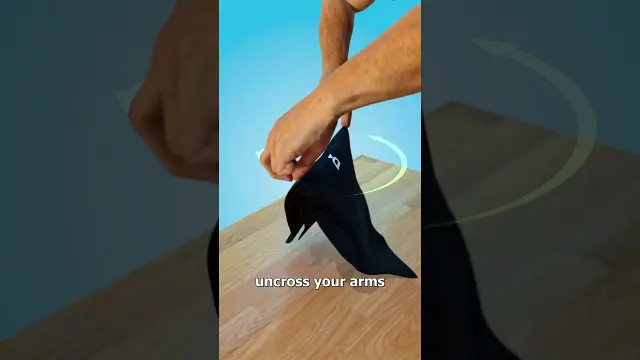
 Quick Tutorial: Folding a Shirt in Just Two Seconds
#Folding Clothes
6 ideas
Quick Tutorial: Folding a Shirt in Just Two Seconds
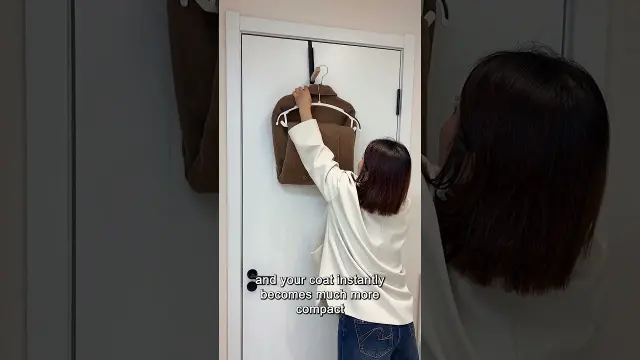 Folding and Organizing Clothes for a Tidier Closet
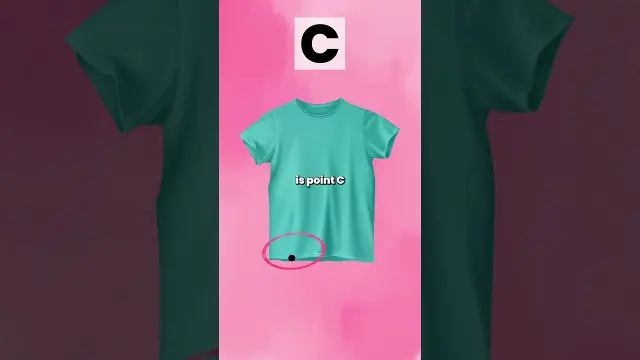 The ABC Method for Folding T-Shirts Neatly
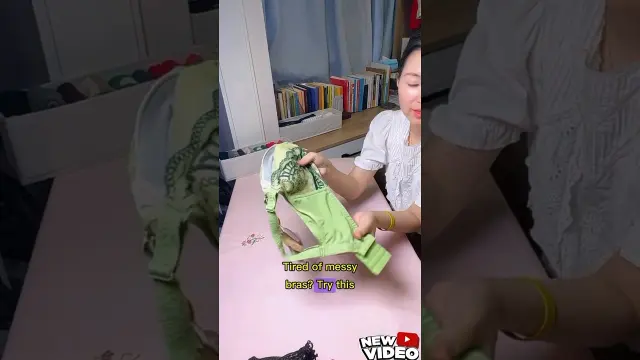 Bra Folding Hack for Neater Drawer Storage
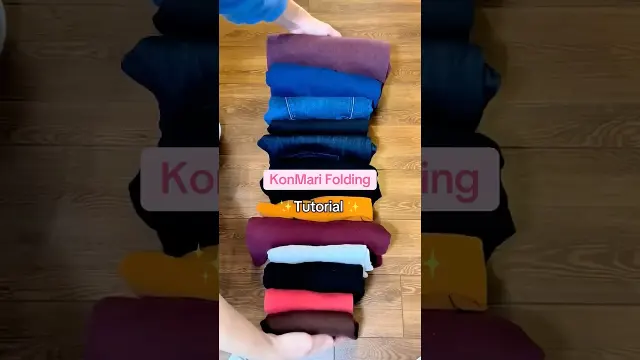 KonMari Folding Tutorial for Different Clothing Items
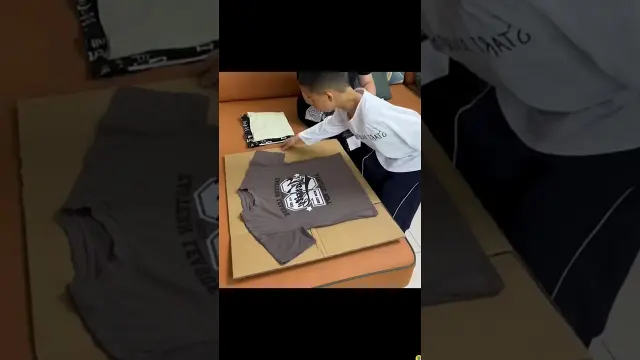 Five Smart Clothes Folding Tricks for a Tidy Wardrobe
Get new #Folding Clothes ideas by email
Every Thursday: the week's best ideas, with the newest from #Folding Clothes.
Related tags
How to Fold Clothes: A Simple Guide to Tidy Storage
Folding clothes is one of those everyday skills almost nobody is taught. We learn it by watching someone at a kitchen table or by imitating whatever our hands remember, and we rarely stop to ask whether there is a better way. Yet a few simple principles make the difference between a drawer that closes easily and one that fights back every morning.
Why folding matters
Folding does more than tidy a shelf. It protects fabric from unnecessary creasing, keeps garments visible so you actually wear them, and helps clothes last longer by reducing the friction of rummaging. It also saves space, which matters whether you live in a large house with a walk-in closet or a small flat with three shelves and a suitcase.
The two basic approaches
Read more
There are essentially two ways to fold, and most methods are variations on them. The first is flat folding: the garment is laid out, smoothed, and folded into a rectangle to be stacked. It suits shelves, suitcases and items that crease easily, such as knitwear and dress shirts.
The second is upright folding, in which clothes are folded into compact parcels and stood on edge in a drawer rather than piled flat. Since you can see every item at a glance, nothing gets buried at the bottom, and pulling one piece out does not disturb the rest.
Getting the foundations right
Before folding anything, empty your pockets, do up the buttons and zip up the zips. Fastening a shirt keeps its shape as you work, and closing a jacket zip stops the edges from curling. Smooth each garment flat with your hands before the first fold; a wrinkle folded in becomes a crease pressed in.
Fold along the existing seams and lines of the garment where you can. A shirt folded along its own side seams looks deliberate; one folded at an arbitrary angle looks crumpled. Keep folds slightly loose with knitwear, which dislikes being stretched and stored under tension, and store sweaters flat rather than hanging, since hangers can pull the shoulders out of shape.
What belongs where
Drawers suit items you use daily and want to see: T-shirts, underwear, socks, pyjamas, workout clothes. Shelves take folded jumpers, jeans and bulky items. Hangers are best for anything structured such as jackets, coats and delicate dresses, which you should not fold at all. For travel, rolling soft items and folding stiff ones into flat rectangles gives the best combination of space and fewer creases.
Advice for beginners
Start with one category at a time, usually T-shirts or underwear, and give yourself permission to redo things. Sorting first makes folding much faster: a pile of similar items can be folded in one rhythm, whereas jumping between shirts, socks and towels slows you down. Fold in a consistent way so that everything stacks evenly.
Finally, be realistic about how much you own. Folding works best when there is a little empty space left in each drawer, so that taking something out and putting it back stays easy. A tidy wardrobe is not one that is crammed and perfectly arranged; it is one you can use without making a mess.
#Folding Clothes: frequently asked questions
How do I start folding clothes if I’ve never had a system before?
Begin with one simple category, like T-shirts or underwear, and fold all of them the same way. Sorting first makes the process faster and helps your drawer look more organized right away.
Should I fold clothes flat or store them upright in drawers?
Flat folding works well for shelves, suitcases, and items that wrinkle easily, because it creates neat stacks. Upright folding is better for drawers when you want to see everything at once and avoid burying clothes underneath other layers.
What do I need to fold clothes neatly at home?
You mainly need a clean, flat surface and a little space to lay garments out properly. Using your hands to smooth fabric, fasten buttons or zips, and line folds up with the seams will make the results much neater.
Which clothes should be hung instead of folded?
Structured pieces like jackets, coats, and delicate dresses are usually better on hangers, since folding can distort their shape. Knitwear and sweaters are best stored folded flat, because hanging can stretch the shoulders over time.
What are the most common folding mistakes people make?
Folding over wrinkles, rushing without smoothing the fabric first, and making every fold slightly different are common problems. Another mistake is overstuffing drawers, because clothes become harder to remove and the whole system stops working well.
What is the best way to pack folded clothes for travel?
Soft items can be rolled to save room, while stiffer pieces are usually better folded into compact rectangles. A mix of both methods helps reduce creasing and makes it easier to fit everything into a suitcase.
Videos come from YouTube and posts from Instagram; titles and summaries are our own. All rights belong to their creators.