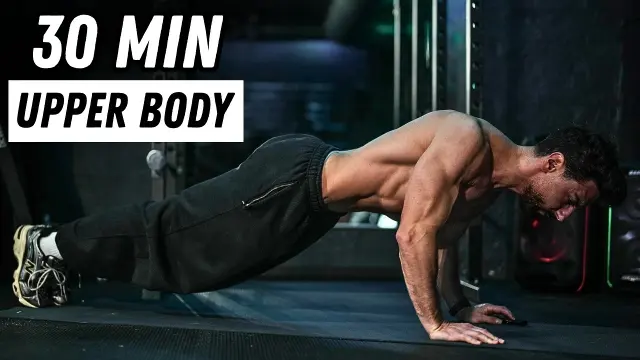
 30-Minute No-Equipment Upper Body Workout With Rowan Row
#Follow Along
3 ideas
30-Minute No-Equipment Upper Body Workout With Rowan Row
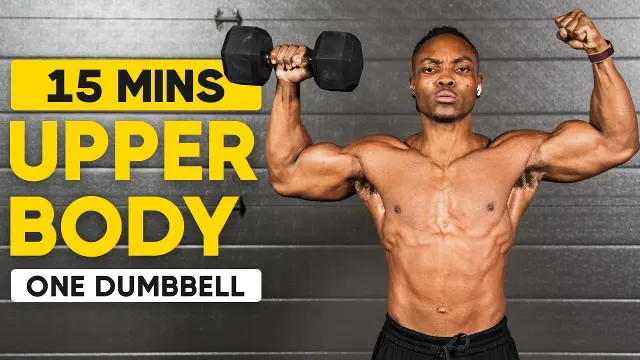 15-Minute Upper Body Workout With One Dumbbell, No Repeats
 20-Minute Upper Body Workout for Back, Shoulders and Arms
Get new #Follow Along ideas by email
Every Thursday: the week's best ideas, with the newest from #Follow Along.
Related tags
Follow-Along Workouts: How to Train With a Video Guide
A follow-along workout is a training session you do in step with someone else. Instead of reading a list of exercises and counting your own repetitions, you press play and move when the instructor moves, matching their pace, their rests and their cues. The format turns a workout into something closer to a class: there is a voice guiding you, a rhythm to keep up with and a clear signal for when the hard part ends.
The idea is older than the internet. Televised aerobics programmes and exercise records brought guided movement into living rooms decades ago, and recorded routines on cassette and disc carried the same principle forward. Streaming simply made the library endless and the choice personal. What has stayed constant is the appeal: company. Many people find it far easier to finish a session when someone is talking them through it than when they are alone with a timer.
The main kinds
Follow-along sessions fall into a few broad families. Strength routines work through the major muscle groups with bodyweight, resistance bands or a single dumbbell, usually in sets with short rests. Cardio and dance sessions keep you moving continuously, which makes them appealing if you dislike counting repetitions. Mobility, yoga and stretching videos move slowly and ask for control rather than effort. Many workouts mix these, and most are labelled by length and level, so a fifteen-minute beginner session and a forty-five-minute advanced one sit side by side.
Read more
What to know before you start
Watch a little of a video before you join in. Skipping ahead tells you what equipment is needed, how much floor space the movements take up and whether the pace suits you. Choose the level honestly; a session you can finish is worth more than one you abandon halfway through.
Form comes before speed. Being a beat behind the instructor is fine, and every good guide offers a simpler version of each movement. Take it. Pause when you need to, adjust the range of motion, and put the weights down if your technique starts to fray. Good form on a lighter load beats rushing through something heavier.
Clear a space you can step and lie down in, keep water nearby, and wear shoes appropriate to what you are doing. Warm up rather than launching straight into the hardest section, and leave rest days between demanding sessions so your body can recover. If something hurts sharply, stop. Follow-along videos are general guidance, not personal instruction, so anyone with an injury, a health condition or a long break from exercise should get individual advice before starting.
Done sensibly, a follow-along workout gives you structure, pacing and a bit of company — three things that make showing up again tomorrow much more likely.
#Follow Along: frequently asked questions
What is a follow-along workout and how is it different from a regular routine?
It is a guided session where you move alongside the instructor instead of following a written plan on your own. The pacing, rests, and cues are built in, which makes it feel more like taking a class than exercising alone.
How do I choose the right follow-along workout for my level?
Look for the label that matches your current ability and preview a little of the video first. A session that feels manageable and lets you finish with good form is a better choice than one that pushes you too hard too soon.
What do I need before starting a follow-along workout at home?
Most importantly, you need a bit of clear space, water nearby, and clothing and shoes that suit the style of workout. Depending on the routine, you may also need simple equipment such as a mat, resistance band, or a single dumbbell.
How can I tell which type of follow-along workout to pick?
Choose strength sessions if you want to build muscle with bodyweight or light resistance, cardio or dance sessions if you want continuous movement, and mobility or stretching videos if you want a gentler pace. If you are unsure, a mixed routine is often a good middle ground.
What are the most common mistakes people make with follow-along workouts?
A common mistake is trying to match the instructor’s pace at the expense of form. Another is choosing a session that is too advanced, skipping the warm-up, or ignoring pain instead of modifying or stopping when something feels wrong.
Videos come from YouTube and posts from Instagram; titles and summaries are our own. All rights belong to their creators.