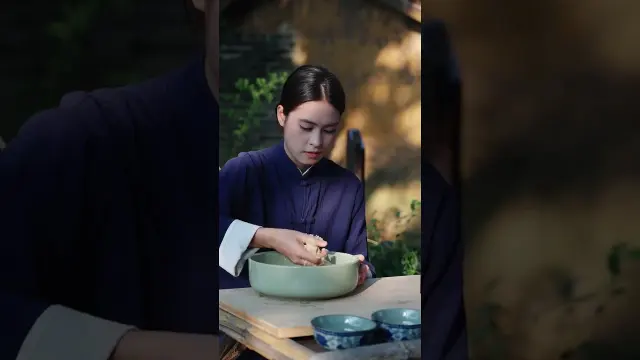
 Handcrafted Petal-Like Lotus Pastries
#Food Craft
1 ideas
Handcrafted Petal-Like Lotus Pastries
Get new #Food Craft ideas by email
Every Thursday: the week's best ideas, with the newest from #Food Craft.
Related tags
Food Craft: Creative Ways to Shape and Present Food
Food craft is the creative side of cooking: shaping, decorating, and arranging food so it becomes more beautiful, playful, or meaningful. It can be as simple as cutting fruit neatly for a platter or as detailed as shaping dough, icing, chocolate, or vegetables into decorative forms. Across many cultures, food craft has long been part of celebration and hospitality, especially where presentation is seen as an extension of care.
At its heart, food craft is about combining technique with imagination. Some forms are highly traditional, such as decorative breads, carved vegetables, shaped sweets, or festive pastries. Others are more informal, like carefully arranged lunchboxes, themed desserts, or colorful snack boards. Whatever the style, the aim is usually the same: to make food feel special before it is even eaten.
Common types of food craft
Food craft covers a wide range of techniques and traditions.
Read more
- Shaping dough into flowers, knots, animals, or other symbolic forms
- Decorating cakes, cookies, and pastries with icing, glazing, sprinkles, or fruit
- Carving fruits and vegetables into garnish or display pieces
- Arranging foods into patterns, color themes, or layered compositions
- Using molds, cutters, piping, or hand-forming for more precise shapes
Some food crafts are meant mainly for display, while others are fully edible and designed to be eaten as part of the meal. Many are tied to holidays, weddings, family gatherings, or gift-giving, but they can also simply make everyday cooking feel more thoughtful.
What beginners should know
If you’re new to food craft, start with simple shapes and a limited color palette. It is often easier to make one thing look neat and attractive than to try several advanced techniques at once. Good results usually come from patience, clean hands, and careful preparation.
A few practical tips can help:
- Choose foods that are naturally cooperative, such as dough, soft fruit, rice, or icing
- Keep tools simple at first, like a knife, scissors, piping bag, or cookie cutter
- Focus on balance, symmetry, and contrast
- Work with foods that hold their shape well if the piece needs to be served later
- Practice a design once before making a larger batch
Styles and approaches
Food craft can be rustic, elegant, whimsical, or highly detailed. A rustic style often celebrates natural shapes and visible handwork. An elegant style may rely on symmetry, smooth finishes, and restrained decoration. A playful style uses bright colors, small forms, and imaginative shapes. Traditional food crafts often follow familiar patterns passed down through families or communities, while modern home cooks may blend several styles in a single dish.
A thoughtful approach
When making food for decoration, it helps to keep both appearance and eating quality in mind. Beautiful food should still feel appetizing, practical, and appropriate for the occasion. If you are preparing food for others, consider flavor, texture, and ease of serving just as much as the visual effect.
In the end, food craft is less about perfection than about care. It invites you to slow down, notice details, and turn ordinary ingredients into something that feels personal and memorable.
Videos come from YouTube and posts from Instagram; titles and summaries are our own. All rights belong to their creators.