 A Dermatologist's Approach to Malassezia Folliculitis
#Fungal Acne
4 ideas
A Dermatologist's Approach to Malassezia Folliculitis
 Fungal Acne: Causes, Signs and Treatment Options
 Telling Malassezia Folliculitis Apart from Ordinary Acne
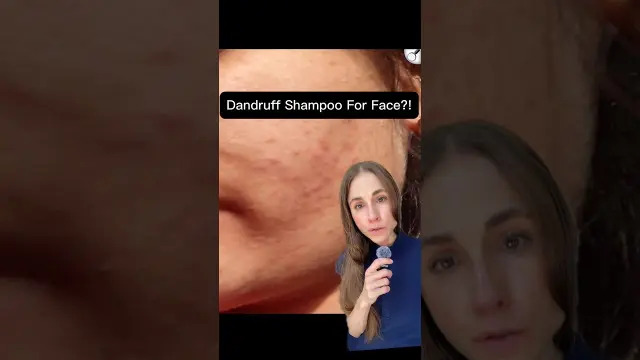 Dermatologist on Using Dandruff Shampoo as a Face Wash
Get new #Fungal Acne ideas by email
Every Thursday: the week's best ideas, with the newest from #Fungal Acne.
Related tags
Fungal Acne: What It Is and How to Care for It
The phrase "fungal acne" is a little misleading. The bumps it describes are not acne in the usual sense, and they are not caused by the bacteria behind typical pimples. What people usually mean is a condition often called malassezia folliculitis or pityrosporum folliculitis: an irritation of the hair follicles linked to Malassezia, a yeast that lives quietly on almost everyone's skin. When that yeast overgrows, the follicles become inflamed.
What it looks like
Fungal acne tends to appear as small, uniform bumps, roughly the same size, clustered on the forehead, chest, upper back and sometimes the shoulders. They are often itchy, and they rarely come to a head the way a classic pimple does. Because the bumps look alike and sit in rows or patches, people sometimes mistake them for a rash or an allergic reaction.
How it differs from ordinary acne
Read more
Ordinary acne is varied: blackheads, whiteheads, deeper painful spots. Fungal folliculitis is usually more even and more itchy. This matters because treatments for one can make the other worse. Heavy, occlusive products and harsh scrubbing may aggravate a yeast-driven problem, while antibacterial routines miss the target entirely. If you are unsure which you are dealing with, that uncertainty is worth taking to a doctor or pharmacist rather than guessing.
What tends to contribute
Warm, humid conditions, sweating, and time spent in tight or damp clothing all create an environment the yeast favours. So can a skincare routine that is very rich or layered, or one that seals the skin under heavy creams. Some people notice flare-ups after illness, stress or changes in their routine, though the exact triggers differ from person to person.
Gentle care that suits most people
- Wash with a mild cleanser, once or twice a day, without scrubbing.
- Rinse and change out of sweaty clothing or workout gear promptly.
- Choose lighter, breathable textures over thick, heavy creams — especially in warm weather.
- Shower after swimming and dry thoroughly, including the back and hairline.
- Keep hair products off the forehead and shoulders where you can.
- Resist picking, which irritates the follicle further.
Medicated washes with antifungal ingredients are commonly used for this kind of folliculitis, and a pharmacist or doctor can tell you whether one is appropriate for you, how often to use it, and for how long. Give any routine several weeks before judging it, and stop if the skin becomes sore or more irritated.
A note on patience
Skin that is itchy and persistent is frustrating, and it is tempting to try many products at once. That usually makes it harder to tell what is helping. Keep your routine simple, change one thing at a time, and get a proper diagnosis if the bumps do not settle — a clear answer is worth more than another bottle.
#Fungal Acne: frequently asked questions
What is fungal acne, really?
Despite the name, it is not acne in the usual sense and is not caused by the bacteria behind ordinary pimples. What people usually mean is malassezia folliculitis, an irritation of the hair follicles triggered when a yeast that lives quietly on most skin overgrows. That is why antibacterial products often miss the mark.
How can I tell whether it is fungal acne or ordinary acne?
Ordinary acne is mixed — blackheads, whiteheads, deeper tender spots — while yeast-driven folliculitis tends to be made up of small bumps of roughly the same size, clustered on the forehead, chest, upper back or shoulders, and often itchy. Those bumps rarely come to a head and can look more like a rash. If you cannot tell which you have, that is worth asking a doctor or pharmacist rather than guessing, since the care differs.
What daily routine suits skin like this?
Keep it gentle and simple: wash with a mild cleanser without scrubbing, and rinse off sweat or swim water promptly, drying well including the back and hairline. Favour light, breathable textures over thick occlusive creams, especially in warm, humid weather, and keep heavy hair products away from the forehead and shoulders. Skip picking, which irritates the follicle further.
Can a dandruff shampoo be used on the face?
Antifungal washes are commonly used for this type of folliculitis, and some of them are the same products people use on the scalp. Whether that suits your skin, how often to use it and for how long are questions for a pharmacist or doctor, because such washes can be drying. Do not leave a strong wash on the skin longer than you were told to.
What mistakes tend to make it worse?
Rich, layered routines and heavy creams that seal the skin, harsh scrubbing and antibacterial routines aimed at the wrong target are all common missteps. Trying several new products at once is another, because you lose any sense of what is helping. Change one thing at a time, and give a routine a few weeks before judging it.
When should I stop experimenting and see a professional?
If the bumps are itchy, persistent and do not settle with gentle care, get a proper diagnosis instead of buying another product. Also stop any routine that leaves the skin sore or more irritated. A clear answer about what you are actually dealing with is worth more than another bottle.
Videos come from YouTube and posts from Instagram; titles and summaries are our own. All rights belong to their creators.