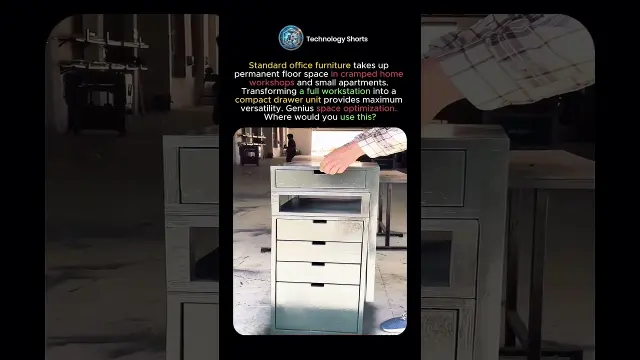
 Custom Folding Workbench And Retractable Desk Solution
#Garage Organization
1 ideas
Custom Folding Workbench And Retractable Desk Solution
Get new #Garage Organization ideas by email
Every Thursday: the week's best ideas, with the newest from #Garage Organization.
Related tags
Garage Organization: A Practical Guide to a Clutter-Free Space
The garage is often the room that receives everything without a home of its own: tools, bicycles, garden supplies, seasonal decorations, half-used tins of paint, the box you meant to sort out two summers ago. Garage organization is the practice of turning that catch-all space into something deliberate, where each thing has a place and you can still park a car if you want to. It is less about buying containers than about deciding what the space is actually for.
Start with what is already there
Before buying anything, empty the garage as far as you reasonably can and group what you find: tools, outdoor gear, garden items, sports equipment, hazardous materials, things belonging elsewhere in the house. Sorting first prevents the common mistake of buying shelves to hold things you did not need to keep. Be honest about duplicates, broken items and objects you have not touched in years. Anything that belongs in the house or should be donated, recycled or disposed of should leave before storage begins.
Work in zones
Read more
A garage works best when it is planned in zones rather than filled wall by wall. Typical zones include a tool area, a garden and outdoor section, a sports and recreation corner, a household overflow area, and a dedicated space for bins and recycling. Keep the most frequently used items at easy reach, and put seasonal or rarely used things high up or at the back. Grouping by activity, rather than by object type, often makes more sense: the garden zone holds the trowel, the gloves, the twine and the hose fittings together.
Walls and ceilings are your best space
Floor space is precious, so use the walls. Wall-mounted rails with hooks hold brooms, ladders, bikes and long-handled tools. Adjustable shelving units keep boxes off the ground and allow you to change the layout as needs shift. Overhead racks are useful for lightweight, bulky items such as surfboards, kayaks or empty suitcases. A simple folding workbench or a bench that retracts against the wall gives you a work surface without permanently sacrificing parking space. Hanging items clear of the floor also makes sweeping and cleaning much easier.
Storage that survives contact with real life
Clear plastic bins let you see contents at a glance; opaque matching boxes look tidier but hide what is inside, so label them. Label on more than one side. Keep heavy items low, and avoid stacking unstable piles. Seal anything vulnerable to damp or pests, and keep paints, fuels and chemicals in a locked cabinet away from heat sources and out of reach of children.
Making it last
A garage stays organized through small habits: returning tools after each use, scheduling a seasonal clear-out, and resisting the urge to use the garage as a permanent holding area for undecided objects. A little planning at the start, plus a regular ten-minute tidy, keeps the space working for years rather than drifting back to clutter.
#Garage Organization: frequently asked questions
How should I start organizing my garage?
Begin by pulling everything out as far as you can and grouping what you find by type or activity, so you can see how much you actually own. Be honest about duplicates, broken items and things you haven't touched in years, and let anything that belongs in the house, or should be donated or thrown away, leave before you buy a single shelf. Sorting first stops you from building storage for belongings you never needed to keep.
What do I actually need to organize a garage?
You need far less than the aisle at the store suggests: a rail with hooks for long-handled tools and bikes, adjustable shelving to lift boxes off the floor, and a few lidded bins for the loose small things. A simple workbench that folds or retracts against the wall adds a surface without permanently giving up parking space. Labels matter as much as containers, since unlabeled boxes quickly become mystery piles again.
Should I choose clear bins or matching opaque boxes?
Clear bins let you see what's inside at a glance, which suits most everyday storage. Opaque matching boxes look calmer and tidier on open shelving but hide their contents, so they only work if you label them clearly on more than one side. Whichever you pick, keep heavy items low, avoid tall unstable stacks, and seal anything that damp or pests could get into.
How do I decide where things should go?
Plan the garage in zones rather than filling it wall by wall — a tool area, a garden and outdoor section, a sports corner, and a spot for bins and recycling. Group by activity rather than object type, so the trowel, gloves, twine and hose fittings live together as one garden kit. Keep daily-use items within easy reach and send seasonal or rarely used things up high or to the back.
What are the most common garage organization mistakes?
The biggest one is shopping before sorting, which fills the room with shelves holding things you didn't need. Another is treating the floor as storage, when walls and ceiling are where bulky or long items belong — keeping them off the ground also makes cleaning far easier. A third is letting the garage become a permanent holding pen for undecided objects, which is how it slides back into clutter.
How do I keep a garage organized over time?
It stays tidy through small habits rather than one big annual effort: put tools back after each use, do a short tidy regularly, and clear things out when the seasons change. Deal with anything undecided right away instead of parking it in the garage indefinitely. Keeping paints, fuels and chemicals in a locked cabinet away from heat and out of children's reach is part of that routine too.
Videos come from YouTube and posts from Instagram; titles and summaries are our own. All rights belong to their creators.