 12 Practical Google Workspace Studio Workflow Ideas for Business
#Workspace
13 ideas
12 Practical Google Workspace Studio Workflow Ideas for Business
 Building Custom AI Agents in Workspace Studio Using Plain Language
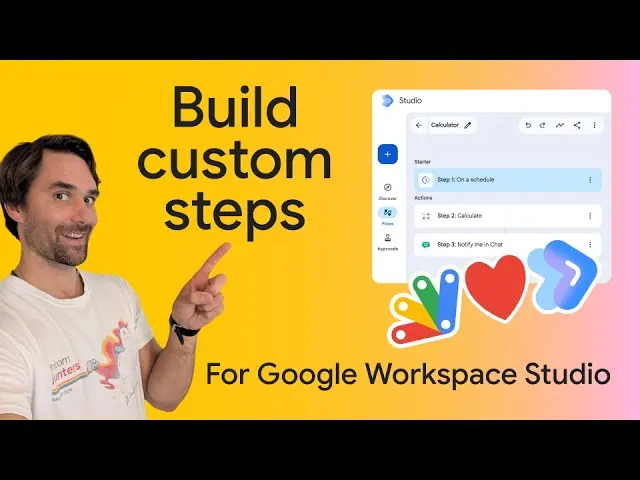 Building Custom Steps for Workspace Studio Using Add-On Framework
 Complete Google Workspace Business Tutorial for Beginners
 Seven Secret Google Workspace Productivity Tips and Features
 Google Workspace Studio Tutorial: Five Copyable AI Workflows
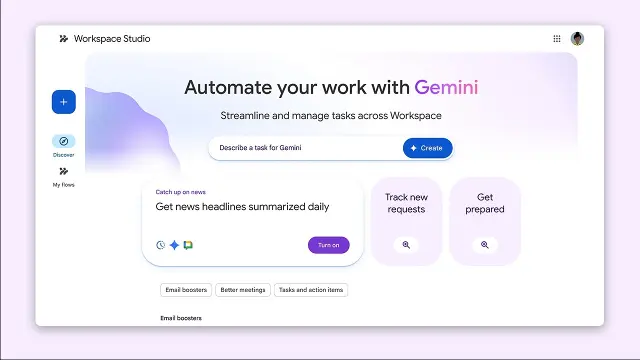 Getting Started with Key Components of Google Workspace Studio
 Google Workspace Studio Tutorial: Automating Gmail and Drive
 Google Workspace Update: Automating Tasks with Gemini Skills
 Advanced Google Workspace Studio Tutorial and Productivity Tips
 Inside Google Workspace Studio: How to Build Custom Workflows
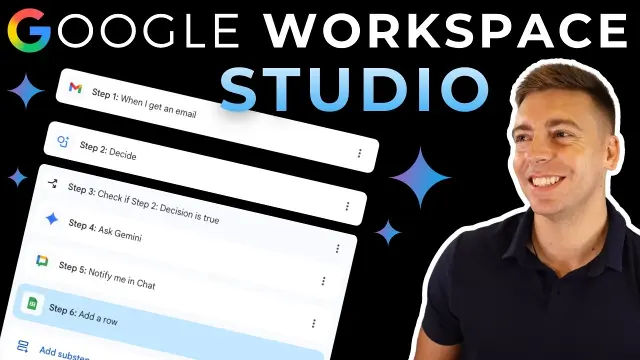 Google Workspace Studio Tutorial: Agentic AI Platform Overview
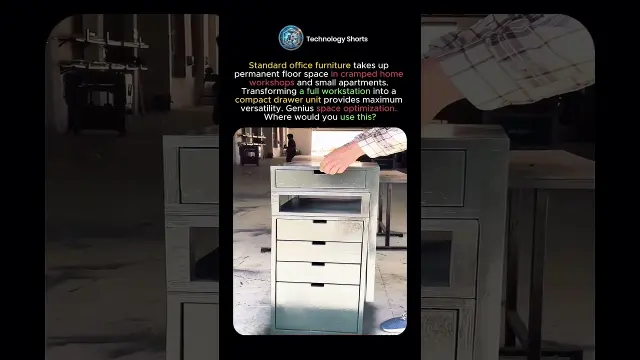 Custom Folding Workbench And Retractable Desk Solution
Get new #Workspace ideas by email
Every Thursday: the week's best ideas, with the newest from #Workspace.
Related tags
Workspace Ideas and Essentials
A workspace is any place where you can concentrate, plan, create, or get things done with less distraction. It may be a dedicated home office, a desk in a living room, a craft table, or a shared family corner. What matters most is not the size of the space, but how well it supports the way you work.
What a workspace is for
A good workspace helps you think clearly and keep essentials close at hand. It can support many kinds of activities: writing, studying, crafting, computer work, paperwork, sewing, or running a small business from home. Some people need a quiet, enclosed room, while others do best with a compact nook that can be tidied away at the end of the day.
The best setup depends on your tasks. If you spend long periods at a desk, comfort and posture become important. If you use your workspace for creative projects, storage and easy-clean surfaces may matter more. If the area is shared, flexibility and organisation are usually the priority.
Read more
Main workspace styles
Workspaces come in many forms. A traditional desk setup is simple and focused, often with drawers, a chair, and a lamp. A built-in workspace can make use of awkward corners, alcoves, or under-stair areas. A fold-away or retractable workspace is useful where space is limited, because it can disappear when not needed.
Creative workspaces often need broader surfaces, shelves, and containers for tools and materials. A crafting table may be different from a writing desk because it needs room for spreading out, sorting, and storing supplies. In family homes, a shared workspace may combine homework, admin, and hobby use in one organised zone.
What to think about when planning one
Start by asking what you do there most often. Then choose a surface height, chair, and layout that feel comfortable for that activity. Good light is important, especially if you read, write, or do detailed work. Natural light is helpful, but you may also want a task light for darker hours.
Storage should be easy to understand and easy to maintain. Keep the items you use often within reach, and store less-used things higher up or farther away. Use containers, trays, and shelves to reduce clutter and make it easier to reset the space after use.
Practical tips for beginners
- Keep the first version simple. You can improve it over time.
- Choose a clear work surface and remove anything that does not belong there.
- Group similar items together so you can find them quickly.
- Leave a little empty space for the task you are doing right now.
- If you share the area, define where each person’s things belong.
- Make it easy to tidy up, because a workspace works best when it stays usable.
A well-planned workspace does not need to be perfect or expensive. It only needs to suit your habits, your room, and your daily routine. When the layout feels calm and practical, it becomes much easier to focus and finish what you start.
#Workspace: frequently asked questions
How do I start creating a workspace at home if I don't have a spare room?
Begin with the activity you do there most often and let that decide the surface, chair, and layout. A corner of a living room, an alcove, an under-stair nook, or a fold-away desk can all work well when the setup suits your tasks and tidies away easily. Keep the first version simple and refine it as you notice what actually gets in your way.
What do I actually need for a basic workspace?
At minimum you need a clear work surface, something comfortable to sit on, and good light for what you are doing, plus somewhere to put the things you reach for constantly. Containers, trays, and shelves help keep clutter down and make it quicker to reset the space afterwards. Extra equipment can wait until you know what your daily work really demands.
Which kind of workspace should I choose?
It depends on your tasks: long stretches of desk work make comfort and posture the priority, while creative projects usually call for broader surfaces and plenty of storage for tools and materials. If the area is shared by the family, favour flexible pieces and clear organisation over built-in fixtures. Where space is tight, a built-in or retractable design lets the same corner serve other purposes.
How do I keep a workspace from turning into a clutter pile?
Put the items you use often within reach and send the occasional ones higher up or further away, grouping similar things together so they are quick to find. Leave a little empty surface for whatever you are working on right now, and clear anything that does not belong there. If more than one person uses the area, agree on where each person's things live so tidying up stays simple.
What are the most common mistakes when setting up a workspace?
Trying to make it perfect or expensive straight away usually leads to a space that looks good but does not match how you actually work. Another frequent slip is choosing storage that is hard to understand or maintain, which means things never get put back. It also helps to plan the light early, since a dark corner makes reading and detailed work tiring even when everything else is right.
How do I care for a workspace so it stays usable over time?
Treat tidying as part of finishing a task rather than a separate chore, so the space is ready the next time you sit down. Wipe down surfaces regularly and check that supplies, tools, and paperwork are still in the places that make sense for how you work now. Small adjustments as your routine changes keep the setup calm and practical instead of slowly drifting out of shape.
Videos come from YouTube and posts from Instagram; titles and summaries are our own. All rights belong to their creators.