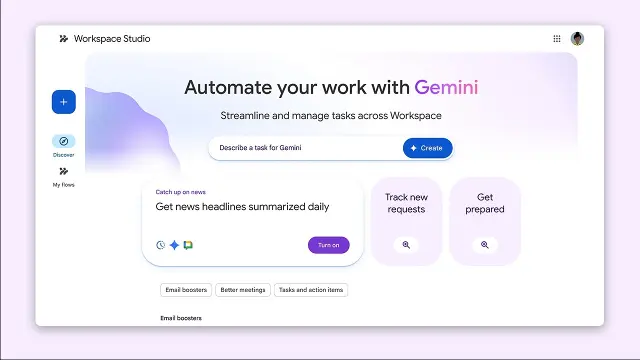
 Getting Started with Key Components of Google Workspace Studio
#Getting Started
1 ideas
Getting Started with Key Components of Google Workspace Studio
Get new #Getting Started ideas by email
Every Thursday: the week's best ideas, with the newest from #Getting Started.
Related tags
Getting Started: A Simple Beginner’s Guide
What getting started means
Getting started is the point where an idea becomes a real first step. It can mean beginning a hobby, setting up a new routine, learning a skill, or tackling a project you have been putting off. The phrase is broad, but the heart of it is always the same: moving from thinking to doing.
Most people feel some hesitation at the start. That is normal. A new beginning often feels bigger before you have broken it into smaller parts. The easiest way to begin is usually not to do everything at once, but to make the task clear enough that the next step feels possible.
Common ways to begin
Read more
There is no single correct way to get started, but a few approaches are especially useful:
- Start with a simple goal: decide what you want to make, learn, or change.
- Gather only what you need at first: avoid collecting too many tools, notes, or supplies before you begin.
- Make the first version small: a rough draft, a basic plan, or a short practice session is enough.
- Learn as you go: early steps often show you what matters most.
Some people prefer a structured start, with lists and plans. Others begin more casually and refine things later. Both can work. What matters is choosing an approach that helps you move forward rather than freeze up.
What beginners should know
Beginners often think they need confidence before they begin, but confidence usually grows after a few attempts. It helps to accept that the first effort may be imperfect. That is part of the process, not a sign that you are doing it wrong.
It is also useful to keep your expectations realistic. New skills take repetition, and new projects usually improve in stages. If you try to make the result flawless from the beginning, you may make it harder to continue.
A few habits can make starting easier:
- Break the task into very small actions.
- Choose a time to begin, even if it is brief.
- Keep distractions low while you take the first step.
- Notice progress instead of waiting for perfection.
Different kinds of starts
Getting started can look different depending on the subject. For a creative project, you may begin with inspiration, sketches, or a rough outline. For a home project, you may start with sorting materials and deciding what you actually need. For a learning goal, you may begin with a basic lesson, a simple exercise, or a short practice routine.
Sometimes the best start is exploratory. Other times it is practical and focused. If you are not sure which is right, begin with the simplest version and adjust it later.
Practical tips for a smoother beginning
If you feel stuck, try these ideas:
- Make the next step obvious.
- Set a short time limit so the task feels less overwhelming.
- Prepare your space before you begin.
- Keep notes so you do not have to remember everything at once.
- Allow yourself to learn from the first attempt.
Starting well is less about doing everything perfectly and more about making progress easy to repeat. Once you begin, the rest often becomes clearer.
#Getting Started: frequently asked questions
How do I actually start when I keep putting a project off?
Shrink the task until the next step is obvious and small enough to do in one sitting. Decide on a brief window of time to work, clear away distractions, and prepare your space beforehand. Once the first step is done, the rest of the path usually becomes clearer.
Do I need to buy supplies or tools before I begin?
Usually not. Gather only what the first step truly requires, since collecting everything in advance often becomes its own form of delay. You can add supplies as you learn what the project actually demands.
Should I plan everything out first, or just dive in?
Both approaches work, so pick whichever keeps you moving rather than stuck. A structured start with lists and steps suits some people, while others do better beginning casually and refining as they go. If you are unsure, start with the simplest version and adjust later.
How do I deal with the feeling that I'm not ready or confident enough?
Confidence tends to arrive after a few attempts, not before them, so waiting to feel ready can stall you indefinitely. Expect the first effort to be imperfect and treat that as a normal part of learning. Each repeat makes the work easier and your judgement sharper.
What are common mistakes beginners make?
Trying to do everything at once, expecting a flawless result straight away, and gathering too many materials before starting are the usual traps. Keep expectations realistic, work in small actions, and track progress instead of perfection. If you get stuck, give yourself a short time limit and let the first attempt teach you what to improve.
Does getting started look different for a craft project versus learning a new skill?
It can. Creative projects often begin with inspiration, sketches, or a rough outline, while learning goals usually start with a basic lesson or a short practice routine. Either way, an exploratory first step is fine when you are unsure — you can make it more focused once you see what matters most.
Videos come from YouTube and posts from Instagram; titles and summaries are our own. All rights belong to their creators.