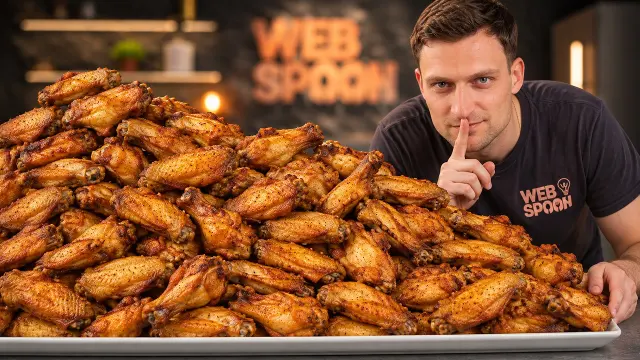
 Five Crispy Chicken Wing Recipes Without Old-School Frying
#Glazed Wings
2 ideas
Five Crispy Chicken Wing Recipes Without Old-School Frying
 Chicken Wings Glazed With a Homemade Portuguese Sauce
Get new #Glazed Wings ideas by email
Every Thursday: the week's best ideas, with the newest from #Glazed Wings.
Related tags
Glazed Wings: A Guide to Sticky, Sweet and Savory Chicken Wings
Glazed wings are chicken wings — usually jointed into drumettes and flats — that are cooked first and then finished with a shiny, clinging sauce. The glaze is what defines them: a liquid mixture, often sweet and savory at once, brushed or tossed on near the end of cooking so it thickens, caramelizes and coats the skin rather than soaking into it.
Where the idea comes from
Cooking meat with a sweet-and-sour or honeyed coating is an old habit in many kitchens, from Chinese-influenced sticky wings to American barbecue, Korean fried chicken sauces and Caribbean jerk marinades. The common thread is not a single recipe but a principle: something sugary in the sauce helps it set into a glossy layer as it meets heat.
How a glaze works
Read more
A glaze is built from a few components that each do a job.
- Sweetness — honey, sugar, molasses, fruit juice or jam — gives shine and browning.
- Acidity — vinegar, citrus or wine — cuts the sweetness and keeps the flavor lively.
- Salt and depth — soy sauce, fish sauce, stock or miso — makes the coating taste rounded.
- Aromatics and spice — garlic, ginger, chili, paprika, herbs — give it character.
- A thickener — a little starch or a long reduction — helps the sauce cling instead of running off.
Because sugar burns faster than meat cooks, glazes are almost always added late. Brush them on in the final minutes of roasting or grilling, or toss the wings in sauce after they come out of the oven or fryer.
Main styles and techniques
Oven-roasted wings are the simplest route: bake them on a rack so the skin dries and crisps, then glaze and return them briefly to the heat. Grilled wings take on smoke and char, but need a steady, moderate fire and frequent turning to avoid flare-ups. Fried wings give the crispest contrast to a sticky coating, and a light dusting of starch before frying helps the sauce grip. Air-fryer wings sit somewhere in between, convenient for small batches.
Glazes themselves vary widely: honey and soy with garlic; buffalo butter sauce; sweet chili; teriyaki; maple and mustard; pomegranate molasses; honey and harissa. Many cooks glaze twice, once for flavor and once for shine.
What beginners should know
Start with dry skin. Pat the wings thoroughly and salt them, and if you have time let them rest uncovered in the refrigerator — moisture is the enemy of crispness. Keep the glaze slightly thicker than you think it should be; it will loosen as it warms. Taste the sauce before it goes on the wings and adjust, remembering that it will concentrate and taste sweeter once reduced. Line your tray, because sugary drips are stubborn.
Practical tips
- Glaze in the last portion of cooking, not the beginning.
- Turn wings often once glazed so the coating sets evenly.
- Reserve some sauce, untouched by raw chicken, for serving.
- Let glazed wings rest a few minutes before eating; the coating firms up and holds better.
- Serve with something plain and cooling — rice, slaw, flatbread, cucumber — to balance the sweetness.
Once you understand the sweet-sour-salty balance, glazed wings become a formula rather than a recipe, open to whatever is in your cupboard.
#Glazed Wings: frequently asked questions
What makes a wing 'glazed', and how do I get started?
Glazing means finishing cooked wings with a glossy sweet-and-savory sauce that sets into a shiny coating on the surface instead of soaking in. To begin, keep the skin thoroughly dry and salted, cook the wings until crisp, and brush the sauce on only during the final stretch of heat so it caramelizes rather than burns.
What do I need to put in a glaze sauce?
A glaze is built from a few roles: something sweet for shine and browning, something acidic to keep the flavor lively, salt and depth for roundness, and aromatics like garlic, ginger or chili for character. The mix can be anything from honey and soy to jam or pomegranate, and the key is balancing sweet, sour and salty after tasting it, since it concentrates as it reduces.
Which cooking method is easiest for a first attempt?
The oven is the gentlest route: bake the wings on a rack so the skin dries and crisps, then glaze them and return them to the heat briefly. Fried or air-fried wings give the crispest contrast under a sticky coating, while grilling adds smoke and char but calls for a steady, moderate fire and frequent turning to avoid flare-ups.
Why does my glaze burn or run off the wings?
Sugar burns far faster than meat cooks, so glazes go on late and should be kept slightly thicker than feels right, so the sauce clings instead of running. Once glazed, turn the wings often for an even set, and let them rest a few minutes before eating so the coating firms up and holds.
Do glazed wings work well for a party or casual dinner?
They do, because the glaze is a formula rather than a fixed recipe, so you can adapt the sauce to whatever is in your cupboard. Pair the wings with something plain and cooling, such as rice, slaw or flatbread, to balance the sweetness, and reserve extra sauce untouched by the raw chicken for serving on the side.
What mistakes do beginners most often make?
Moist skin is the biggest enemy of crispness, so pat the wings dry and let them rest uncovered in the refrigerator before cooking. Taste the sauce before it goes on, since it will seem sweeter once reduced, and line your tray because sugary drips are stubborn to clean up.
Videos come from YouTube and posts from Instagram; titles and summaries are our own. All rights belong to their creators.