 Goodwill Goldmine for Vintage Home Decor and Dishes
#Goodwill
2 ideas
Goodwill Goldmine for Vintage Home Decor and Dishes
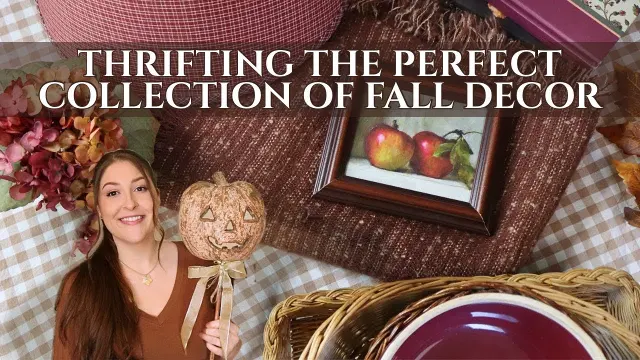 Hunting for Cozy Cottage Fall Decor and Goodwill Thrift Haul
Get new #Goodwill ideas by email
Every Thursday: the week's best ideas, with the newest from #Goodwill.
Related tags
Goodwill Thrifting: A Beginner's Guide to Secondhand Finds
Goodwill is one of the best-known names in secondhand shopping, and for good reason. It is a nonprofit organization that collects donated clothing, housewares, furniture, books and everything in between, sells them in its shops, and puts the proceeds toward community programs such as job training and employment support. For shoppers, that means a store that is constantly restocked, unpredictable by design, and open to anyone who enjoys the hunt.
How the Shops Work
Everything on the shelves arrived as a donation rather than as a planned purchase, so no two visits look alike. Stock turns over quickly, and the best items rarely wait around. Merchandise is usually sorted by category — clothing by size and type, housewares on shelves, furniture and larger pieces near the front or back — but the arrangement varies from store to store, so it pays to walk the whole floor before you commit to anything.
Many locations also run a colour-tag system, where certain tags are discounted on certain days. Ask at the register how your local store handles it; the rules are set shop by shop.
Read more
What You Will Find
The appeal is variety. Clothing from every decade, glassware and dishes, picture frames, baskets, linens, small appliances, craft supplies, seasonal decorations, books and records. Some pieces are practically new; others are genuinely old and worth a closer look. Thrifters often describe the mix as a treasure hunt, because the reward comes from noticing something good before anyone else does.
Tips for Beginners
- Go often and go early. Frequent short visits beat one long outing, and shelves are freshest soon after opening.
- Bring measurements, not sizes. Sizes vary wildly between makers, so note the chest, waist or sleeve length you need.
- Check condition carefully: seams, underarms, hems, zippers, chips on glass, cracks in ceramics, and whether lamps or appliances have their cords intact.
- Test what you can. Open and close boxes, flip through books, plug in small electronics where the store allows it.
- Keep a running list on your phone of what you actually need, so a bargain does not become clutter.
- Inspect upholstery and wooden furniture for pests or structural damage before you commit to hauling it home.
Caring for Secondhand Finds
Most washable textiles benefit from a thorough wash or a soak before use. Delicate or vintage pieces may need hand washing or a professional clean. Glass and ceramics should be washed by hand, and anything with an odour can often be aired outside for a few days. For furniture, a gentle clean and a little polish usually does more than any aggressive treatment.
The Slower Pleasure of the Hunt
Thrifting rewards patience and a good eye rather than a big budget. You learn to recognise quality materials, solid construction and pieces with character, and you give objects a second life instead of sending them to landfill. Go without a fixed idea of what you want, stay curious, and let the shelves surprise you.
#Goodwill: frequently asked questions
How do I start shopping at Goodwill if I've never been thrifting?
Start with a short, low-pressure visit rather than a marathon trip: walk the whole floor once to get a feel for how the store is laid out, then go back for a second pass on the sections that interest you. You don't need an account, an appointment or any special preparation — just time to look. Bring a bag or basket, wear clothes that are easy to slip things over, and set yourself a loose idea of what you're after instead of a strict list.
What should I bring with me to a Goodwill store?
A note on your phone with your real measurements — chest, waist, sleeve, inseam or the dimensions of a shelf you're trying to fill — matters more than knowing your size, because sizing varies so much between makers. A small tape measure helps for furniture and framed art, and a photo of the space you're decorating keeps you from buying something that won't fit. If you're hunting electronics or lamps, it's also useful to know whether your local store has an outlet where you can test them.
How do I know whether a secondhand piece is worth buying?
Look past the surface and check the things that are expensive or impossible to fix: seams and underarms on clothing, chips and hairline cracks on glass and ceramics, and wobbles, cracks or pest evidence in wood furniture. Solid construction, heavy glass, tight stitching and quality materials are the signals that a piece will hold up, while a low price on something already broken usually just moves the problem to you. Ask at the register before buying anything electrical whether you can plug it in first.
How should I clean and care for things I bring home from Goodwill?
Washable textiles are usually fine with a thorough machine wash or a long soak, but delicate and vintage pieces may need hand washing or a professional clean instead. Wash glass and ceramics by hand rather than in the dishwasher, since older glazes and gilt finishes can dull or flake. Anything that smells of storage will often freshen up after a few days of open air, and furniture generally responds better to a gentle clean and a little polish than to harsh treatment.
What are the most common mistakes new thrift shoppers make?
The big one is buying because something is cheap rather than because you need it, which turns a bargain into clutter — keeping a running list of what you actually want is the simplest defence. Another is buying the wrong size because the label looked right, or skipping the condition check and discovering a broken zipper or a cracked base at home. Finally, many people shop one long session instead of dropping in often, but stock turns over constantly, so regular short visits see far better things.
Is it worth going often, or is one big trip enough?
Frequent short visits are usually more rewarding than one long outing, because everything on the shelves is donated rather than ordered, so the mix changes day to day and the best pieces go quickly. Arriving soon after opening tends to give you the freshest selection. If you can only go occasionally, go without a fixed idea of what you want and let the floor surprise you — patience and a good eye matter more than a big budget.
Videos come from YouTube and posts from Instagram; titles and summaries are our own. All rights belong to their creators.