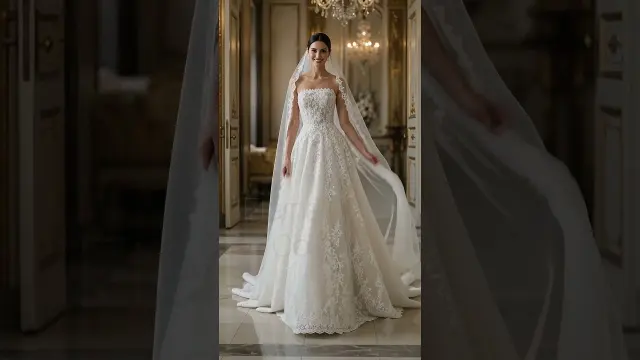
 Stunning Bridal Collection Featuring Unique Wedding Gowns
#Gowns
14 ideas
Stunning Bridal Collection Featuring Unique Wedding Gowns
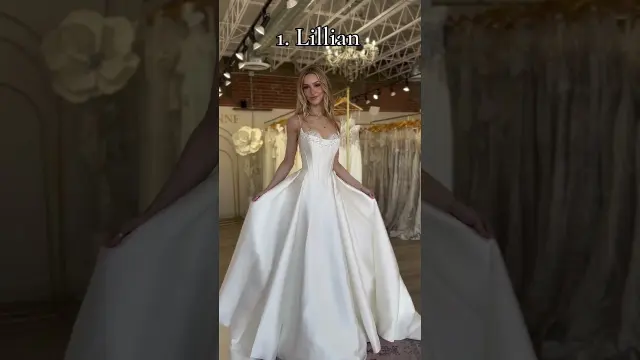 Two Gorgeous Wedding Gowns with Different Bridal Looks
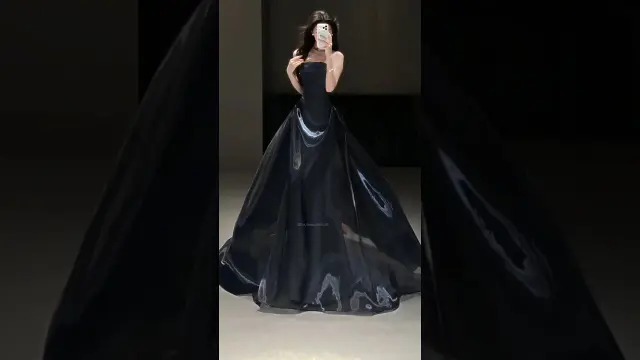 Top Five Korean Gowns Redefining Modern Elegance
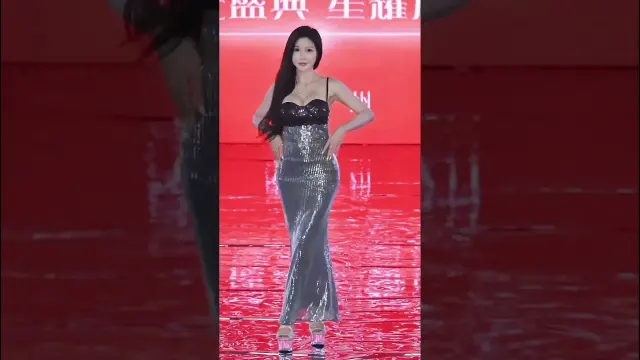 Stunning Miss Universe Red Carpet Glamour and Evening Gowns
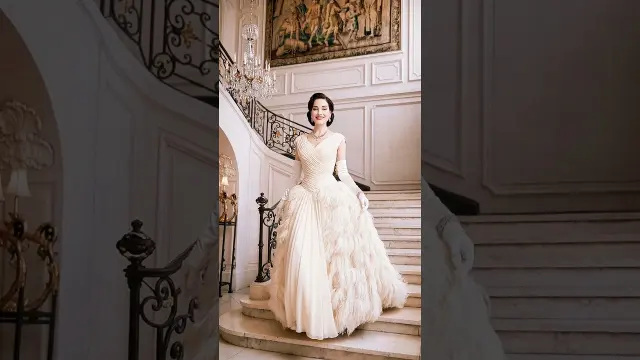 Timeless 1950s Evening Gowns on the Grand Staircase
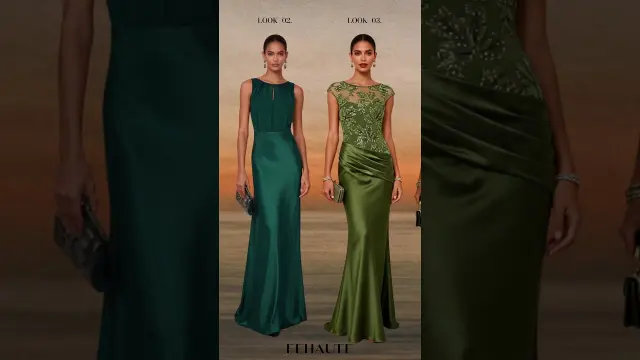 Fall Green Edit Featuring Elegant Wedding Guest Dresses
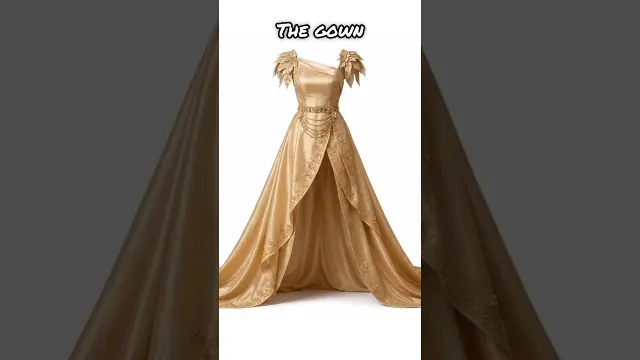 Beautiful Golden Gown Palazzo Suit Design for Parties
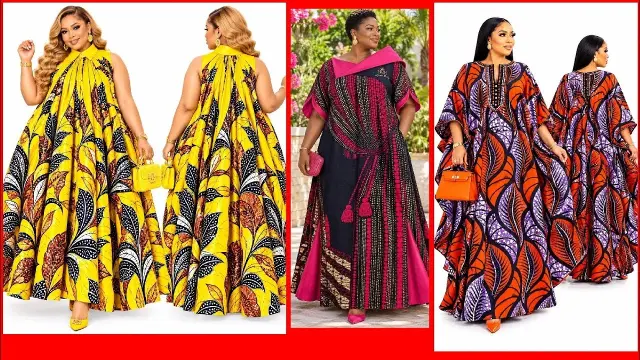 Gorgeous Ankara Long Gowns and African Fashion Ideas
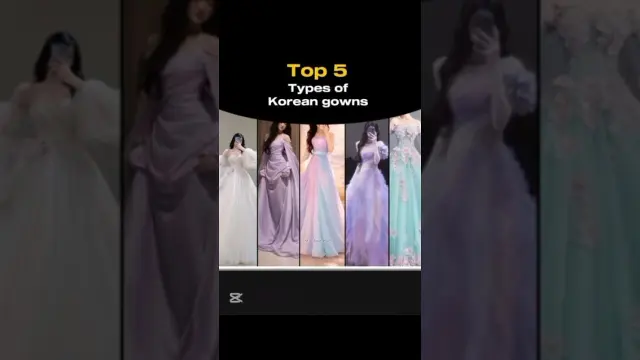 Top Five Korean Gowns for Fashion Inspiration
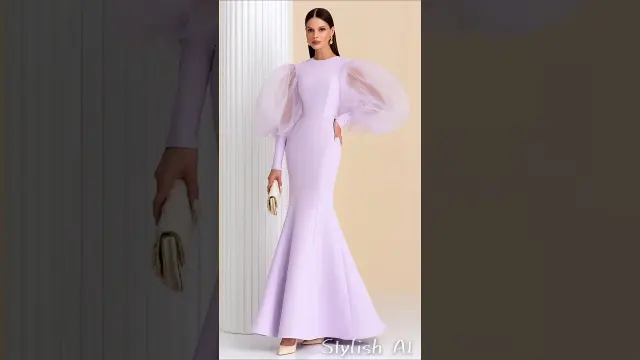 Stunning Evening Gowns and Special Occasion Dresses
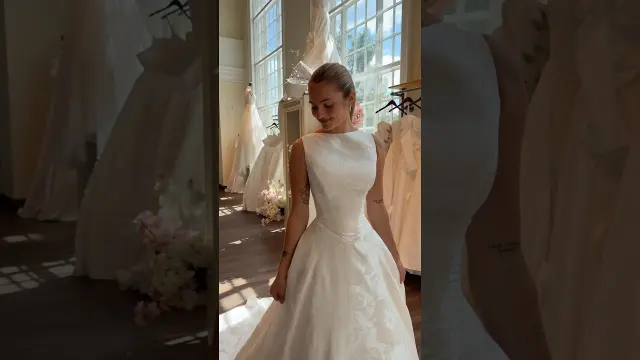 Four Elegant Wedding Gowns from a Bridal Boutique
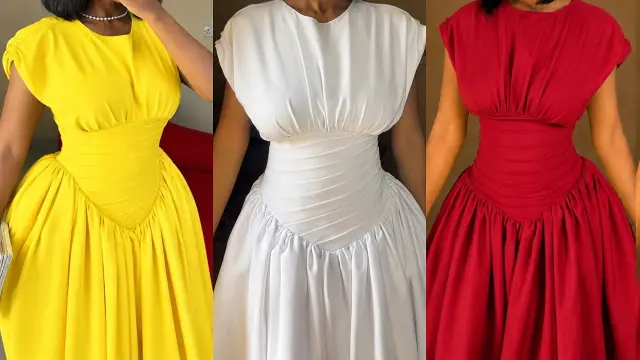 How to Cut and Sew a Trendy Batwing Gathered Dress
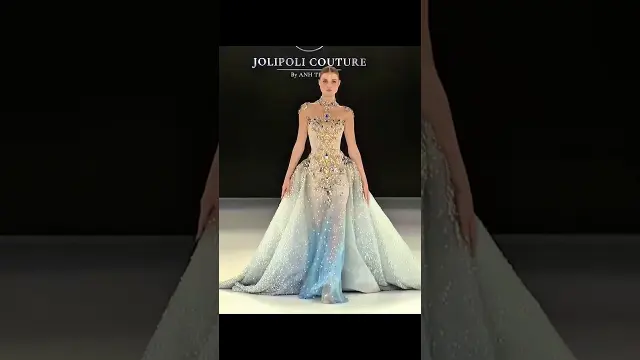 Nature-Inspired Haute Couture Gown Designs by Joli Poli
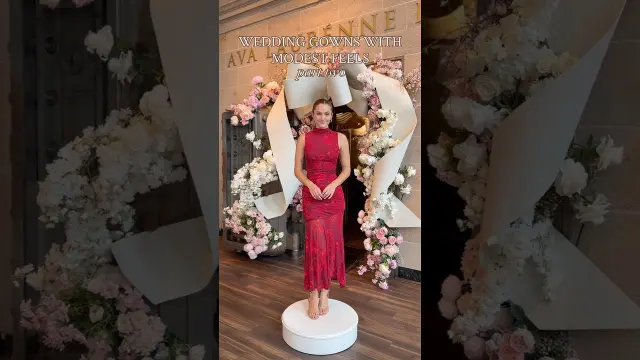 Four Sophisticated And Romantic Modest Wedding Gowns
Get new #Gowns ideas by email
Every Thursday: the week's best ideas, with the newest from #Gowns.
Related tags
Gowns: Styles, Fabrics and How to Wear Them
What a gown is
A gown is a long, elegant dress worn for formal or ceremonial occasions. The word has a broad history, and over time it has been used for everything from court dress and eveningwear to academic robes and bridal styles. Today, people usually think of a gown as a special-occasion dress with a more dramatic silhouette than everyday clothing.
Gowns are chosen when you want presence, elegance, and a sense of occasion. They can be simple and understated or richly detailed, but they usually share one thing in common: they are designed to look graceful in movement.
Common gown styles
Read more
There are many kinds of gowns, and the best choice depends on the event, your comfort, and the shape you enjoy wearing.
- Ball gowns: full skirts and a dramatic, formal shape
- A-line gowns: fitted through the bodice and gradually wider toward the hem
- Mermaid or trumpet gowns: close-fitting through the body, then flaring out lower down
- Sheath gowns: slim and straight for a cleaner, less structured look
- Empire-waist gowns: a raised waistline that creates a soft, flowing shape
- Column gowns: long, narrow silhouettes that look refined and modern
Bridal gowns, evening gowns, prom gowns, and gala dresses all fall under the wider gown family, but each has its own level of formality and design language.
Fabrics, details and movement
Fabric changes everything in a gown. Smooth fabrics such as satin and silk often create shine and structure, while chiffon, tulle, and organza feel lighter and more romantic. Velvet gives depth and richness, and lace adds texture and detail. Heavier fabrics can hold shape well, while soft fabrics drape gently and move easily.
Details also shape the character of a gown. Necklines, sleeves, waistlines, pleats, embroidery, beading, and trains all influence the final look. A gown can be minimalist and architectural, or soft and decorative. Neither is better; it depends on what feels right for you.
How to choose a gown
If you are new to gowns, begin with the occasion. Ask yourself whether the event calls for black tie, formal, festive, or simply elegant attire. Then think about comfort and movement. You should be able to sit, walk, and breathe easily.
A few practical tips can help:
- Try on different silhouettes, not just the one you expect to suit you
- Pay attention to length, especially if you will wear heels or flats
- Check how the fabric feels against your skin
- Make sure the gown fits well at the shoulders, bust, and waist
- Choose undergarments and shoes that support the shape of the dress
Wearing a gown well
A gown often looks best when the rest of the styling is balanced. If the dress is ornate, simple accessories can keep the look elegant. If the gown is plain, a more striking necklace, earrings, or hairstyle can add interest. Most importantly, the gown should feel like an extension of your own style, not a costume.
When you find a gown that fits well and suits the occasion, it can be one of the most rewarding pieces in your wardrobe: graceful, memorable, and timeless.
#Gowns: frequently asked questions
How do I start choosing a gown if I've never worn one before?
Start from the event itself: work out how formal it is, then let that narrow the field before you think about style. From there, focus on comfort and movement, since you should be able to sit, walk and breathe without adjusting anything. Trying on a range of silhouettes, including ones you didn't expect to like, teaches you more than browsing pictures does.
Which gown silhouette should I pick for my body and the occasion?
Full-skirted ball gowns suit the most formal, dramatic settings, while sheath, column and A-line shapes read cleaner and work well for elegant but less ceremonial events. Mermaid and trumpet cuts hug the body and flare lower down, and empire waists create a soft, flowing line. The real test is how each one feels when you move, not how it looks on a hanger.
What fabric is best for a gown?
It depends on whether you want structure or softness: satin and silk give shine and hold their shape, while chiffon, tulle and organza feel light and romantic. Velvet brings richness and depth, and lace adds texture and detail. Feel each fabric against your skin and watch how it falls, because drape and weight change the whole look.
How should I care for a gown so it stays in good condition?
Have a formal gown cleaned professionally after wearing it, especially if it has beading, lace or a train, and store it flat or hanging with support rather than crushed into a crowded wardrobe. Keep it away from direct sunlight and damp, and deal with any spill or mark sooner rather than later. Check the care label before doing anything yourself, since delicate fabrics and embellishments rarely tolerate ordinary washing.
What are common mistakes people make when buying or wearing a gown?
Buying for the picture rather than the fit is the big one, so check that the gown sits correctly at the shoulders, bust and waist before anything else. Length matters too, and it should be judged with the shoes you'll actually wear. Over-accessorising is another easy slip: if the gown is ornate, keep jewellery and hair simple, and if it's plain, let the accessories do the work.
How do I style a gown so it still feels like me?
Balance is the trick: an elaborate gown looks best with restrained accessories, while a simple one can carry a stronger necklace, earrings or hairstyle. Beyond that, choose details you'd genuinely wear elsewhere rather than dressing up as someone else. A gown works when it reads as an extension of your own style instead of a costume.
Videos come from YouTube and posts from Instagram; titles and summaries are our own. All rights belong to their creators.