 Dream Nursing Specialty Versus Reality After Graduation
#Graduation
2 ideas
Dream Nursing Specialty Versus Reality After Graduation
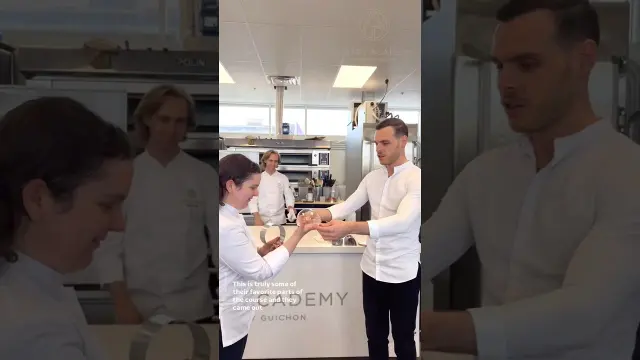 Graduation day on the final masterclass at the pastry academy
Get new #Graduation ideas by email
Every Thursday: the week's best ideas, with the newest from #Graduation.
Related tags
Graduation: Meaning, Traditions and Planning
What graduation means
Graduation is the ceremony and milestone that marks the completion of a course of study, whether at school, college, or university. It is both a formal event and a personal turning point. For many people, it represents hard work, growth, and the move into a new stage of life.
The word is often used for the ceremony itself, but it can also mean the broader experience of finishing an educational program. In that sense, graduation is not only about receiving a certificate, diploma, or degree. It is also about recognition, reflection, and celebration.
Where the tradition comes from
Read more
Graduation ceremonies have roots in long-established academic traditions. Many of the customs still seen today, such as academic dress, caps, and processionals, developed from older university customs. Over time, these traditions became a familiar way to honor achievement and bring people together at the end of a course of study.
Different countries, schools, and institutions may have their own customs. Some ceremonies are formal and traditional, while others are simpler and more relaxed. The details may vary, but the purpose is usually the same: to recognize progress and mark a meaningful transition.
Common parts of the ceremony
A graduation ceremony may include speeches, the calling of names, the presentation of awards or diplomas, and the wearing of academic dress. The cap, gown, and hood, where used, help create a sense of formality and shared identity among graduates.
Family and friends often attend to celebrate the occasion. Photos, flowers, and gatherings afterward are common ways to mark the day. For many people, graduation is as much about the people supporting them as it is about the achievement itself.
Styles and variations
Graduation can take many forms depending on the setting:
- School graduation, which often marks the end of a stage such as primary or secondary education
- College or university graduation, which may be more formal and ceremonial
- Professional or vocational graduation, which celebrates training in a specific field
- Small or private ceremonies, which may be chosen for practical or personal reasons
Some ceremonies are very structured, while others focus on a simple presentation and a chance to gather with loved ones.
Practical tips for the day
If you are preparing for graduation, a little planning helps the day feel calmer and more enjoyable.
- Check the time, location, and dress code well in advance
- Make sure your gown, cap, or other required items are ready beforehand
- Plan for travel and arrival time, especially if the venue is busy
- Keep essentials with you, such as your invitation, phone, and a small bag
- Think about who you want to celebrate with afterward
It also helps to remember that graduation is both an ending and a beginning. You do not need to feel one single way about it. Pride, relief, excitement, and even uncertainty can all belong together. What matters most is recognizing how far you have come and giving yourself time to take it in.
Videos come from YouTube and posts from Instagram; titles and summaries are our own. All rights belong to their creators.